Shocking reason Viktor Orbán is quitting Parliament after crushing election loss and it’s not what anyone expected

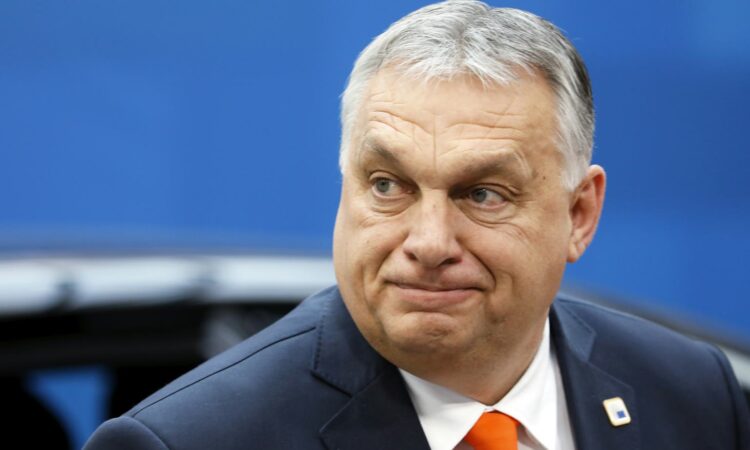
Viktor Orbán has said he will leave Parliament after losing a major election, ending a very long political career that has lasted more than three decades. He has been in Parliament since 1990 without a break, so stepping down now marks the end of 36 years in elected office. For many people in Hungary and across Europe, this feels like the closing of an era because he has been such a dominant figure for so long.
The biggest reason he is leaving is because he lost the election to Péter Magyar. That defeat changed everything. Instead of staying in Parliament as a regular member, Orbán believes his time would be better spent rebuilding his political strength from the outside. He made it clear that he does not see this as the end of his influence, but as a new phase where he can focus fully on reorganizing his movement and preparing for the future.
In his message to supporters, he explained that being inside Parliament comes with limits. There are rules, responsibilities, and daily political battles that can take up all your time. He believes that if he steps away, he will have more freedom to think long-term, reconnect with supporters, and fix the problems that led to his defeat. In simple terms, he is stepping back so he can rebuild and come back stronger.
He also spoke about his long journey in politics. Over nearly 40 years, he has seen both success and failure. He has won elections and lost some too. But he said one thing has always stayed the same: the strong unity of his supporters. He believes that unity is now more important than ever, especially after a loss, because it will decide whether his movement can recover or fade away.
Even though he is leaving Parliament, he is not quitting politics. His party, Fidesz, still wants him to stay as leader. He said he is ready to continue in that role if the party agrees. There will be a big meeting soon, and then a vote in June to decide who leads the party going forward. If he stays leader, he will still have strong influence over the direction of Hungarian politics, just from a different position.
Orbán led Hungary as prime minister for 16 years and built a strong conservative identity for the country. He often stood against more liberal ideas in Europe and became known as one of the most powerful and controversial leaders on the continent. His style of leadership gained him loyal supporters, but it also created strong opposition, which eventually helped lead to his defeat.
Now, Hungary is moving into a new chapter. Orbán’s decision to leave Parliament is not just about stepping aside, it is about changing strategy. He is choosing to step out of the spotlight of Parliament so he can rebuild his base, reorganize his party, and possibly prepare for a return in the future.
So in simple terms, he is leaving because he lost the election and believes he can do more outside Parliament than inside it. He wants to focus on rebuilding his political movement, staying in control of his party, and finding a way to remain a powerful voice in the country, even without holding a seat.