Donald Trump Insults Black Female Reporter As She Tries to Hold Him Accountable and Viewers Zero in On a Familiar Pattern

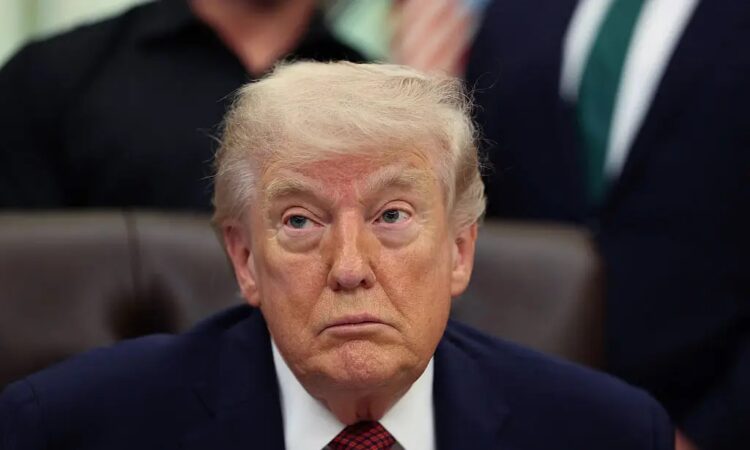
President Donald Trump has been growing more defensive as questions about the war with Iran continue to follow him, especially from reporters trying to get clear answers about how long the conflict will last and how it is affecting everyday Americans.
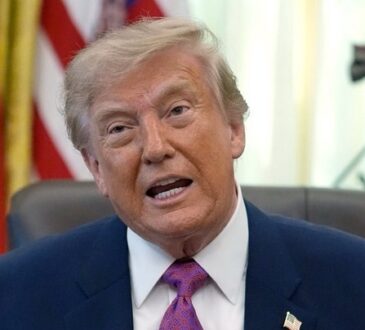
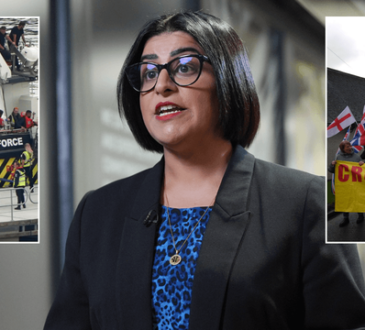
At a tense press conference inside the Oval Office, things quickly escalated when Jasmine Wright asked a direct question that many people across the country are already asking at home. She wanted to know what the president would say to Americans who are worried about rising gas prices and are simply trying to understand when the war might finally come to an end.
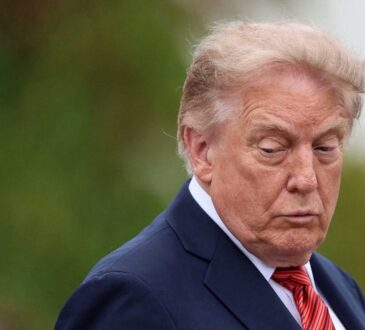
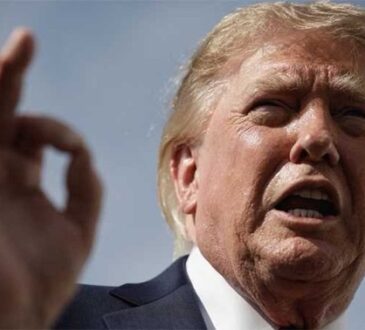
Instead of giving a clear answer, Trump reacted sharply. He called her a “disgrace” and suggested she wasn’t paying attention, even though her question was straightforward. The moment became uncomfortable as he shifted away from the question and began talking about the Vietnam War, asking how long that conflict lasted and using it as a comparison to justify the uncertainty around the current situation.
He went on for a while, drawing parallels between the war in Iran and the long and painful history of Vietnam, but never clearly answered the original question. The exchange left many observers feeling that the president was avoiding giving a direct timeline or plan.
The Vietnam comparison also brought renewed attention to Trump’s own past during that era. According to Military Times, he received several draft deferments at the time, including one based on an injury that was later reported to be questionable. Critics often bring this up when he references that war, saying it adds another layer to how people interpret his comments.
Despite the growing pressure, Trump insisted that he has followed through on his promises. He claimed that he acted quickly and decisively, saying he had already taken strong military steps within the first four weeks of the conflict. However, this seems to contradict earlier statements from his own administration, which had suggested the war might be short and controlled, lasting only a few weeks.
There is also a legal clock ticking in the background. Under the War Powers Resolution, the president must get approval from Congress if military action continues beyond 60 days. That deadline is approaching, and without that approval, the law is supposed to limit further involvement. But the situation is complicated, especially with the deep political divide in Washington.
Many lawmakers are already raising concerns. Chris Murphy openly criticized the lack of strong oversight, saying it is shocking that such a costly war is not being more closely examined by Senate leadership. The financial burden alone is massive, with NPR reporting that the U.S. has already spent tens of billions of dollars, possibly reaching over $50 billion.
Back home, the effects are being felt in everyday life. Gas prices have risen sharply, with data from AAA showing a national average of $4.09 per gallon. One major reason for this spike is the disruption around the Strait of Hormuz, a critical passage that carries a large portion of the world’s oil supply. When that route is affected, the impact is felt globally, especially in fuel prices.
The rising costs are not limited to petrol. Big companies have started adjusting their pricing to cope with the situation. Amazon added a fuel surcharge, while United States Postal Service announced a temporary increase in delivery costs. Airlines are also feeling the pressure, with Delta Air Lines raising baggage fees as fuel prices continue to climb, making travel more expensive for many people.
When Wright tried again to get a clear answer during the press conference, Trump chose not to respond and moved on, which only added to the frustration around the lack of clear communication.
Online reactions came quickly. Many people pointed out the gap between earlier promises and the current situation, questioning why the war timeline keeps changing. Others focused on the tone of the exchange, saying the president’s reaction to a simple question was unnecessary and disrespectful.
This is not the first time Wright has been singled out. White House Press Secretary Karoline Leavitt previously criticized her during another briefing, calling one of her questions “stupid” when she asked about the handling of peaceful protests. These repeated moments have led some observers to believe there may be a pattern in how certain reporters are treated.
Some critics have gone further, suggesting that reporters from minority backgrounds, particularly Black journalists, appear to receive harsher responses. While others argue that the president often clashes with the press in general, these repeated incidents have kept the conversation going about fairness, respect, and how the administration deals with tough questions.