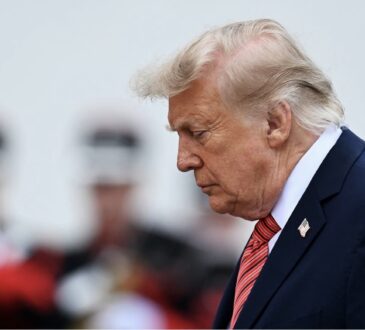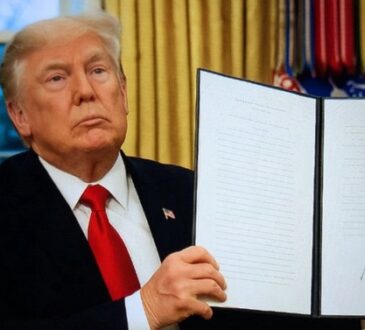

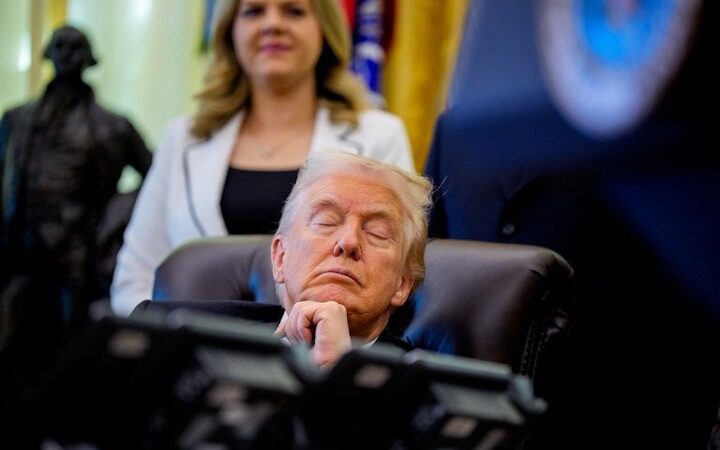
The Trump administration is reportedly very unhappy with the amount of media attention being given to President Donald Trump’s recent visit to Walter Reed National Military Medical Center. The visit sparked fresh discussion about the president’s health, particularly after several television appearances where critics claimed he appeared tired, distracted, or seemed to doze off during public events.
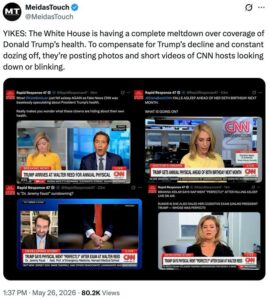
Following the coverage, the White House’s Rapid Response 47 account on X spent much of Tuesday pushing back against CNN and other critics. Instead of directly addressing the concerns, the account posted photos and short video clips of CNN hosts and guests blinking, looking down, or momentarily closing their eyes. The posts sarcastically suggested that these media personalities were the ones falling asleep or showing signs of decline.
The online campaign targeted several well-known CNN figures, including Kate Bolduan, Kevin Liptak, Dana Bash, Jake Tapper, and Brianna Keilar. Some posts even mocked Tapper by referring to him as “Fake Tapper.” Guests who appeared on CNN to discuss Trump’s health were also singled out. These included Wall Street Journal reporter Josh Dawsey and Harvard Medical School physician Dr. Jeremy Faust.
The criticism came after Trump visited Walter Reed for what was reported to be his third medical examination within a 13-month period. News outlets, including CNN, covered the visit and referenced previous occasions when Trump appeared unusually tired or seemed to nod off during meetings and public appearances. After the examination, Trump told reporters that everything had checked out “perfectly,” although no detailed medical information was immediately released.
The White House has often responded aggressively to media criticism, especially on social media. Administration officials have frequently used sarcasm, mockery, and personal attacks when responding to reporters or news organizations they believe are unfairly covering the president. Critics argue that this approach focuses more on attacking journalists than addressing the concerns being raised.
Meanwhile, debate over Trump’s health continues. Supporters argue that the president remains capable of carrying out his duties and say the media is exaggerating isolated moments caught on camera. Critics, however, point to repeated public appearances where Trump appeared tired, lost focus, or closed his eyes during meetings, claiming these incidents deserve scrutiny given the demands of the presidency.
As the discussion continues, both sides remain deeply divided. The White House insists that Trump is healthy and fully capable of serving, while many journalists, political commentators, and medical observers continue to question whether the public is receiving enough information about the president’s physical and cognitive condition. The controversy has once again highlighted the broader debate over transparency, presidential health disclosures, and how much information the American public should be given about the health of its leaders.