New Video Reveals What Police Knew After Henry Was Killed, Leaving Many Angry

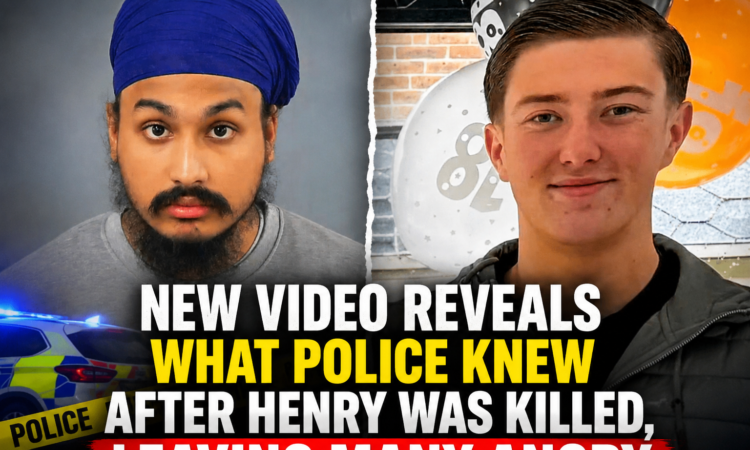
New questions are continuing to be raised about the handling of the case surrounding the death of Henry after details emerged about what police knew in the days following the fatal stabbing.
Just two days after Henry died, Hampshire Police secretly recorded Digwa while he was sitting in a police van speaking Punjabi with his brother. During that conversation, Digwa reportedly admitted that he had stabbed Henry. He also discussed the possibility of claiming self-defence. What has attracted particular attention is that there was reportedly no mention at all of any racist abuse being directed at him before the stabbing. Not a single word was said about a racist attack.
Police had possession of that recording. They knew what had been said and had access to evidence that appeared to contradict later claims made by Digwa. Critics argue that despite having this information, authorities still appeared willing to present Henry as the aggressor in the incident.
Three days after Henry’s death, Hampshire Police released a public statement saying that “two men had been assaulted by an unknown man.” The statement caused outrage because the “unknown man” being referred to was allegedly Henry himself — the teenager who had been fatally wounded and left bleeding in the street.
Following complaints from Henry’s family, the statement was later amended. However, the family claim that they were then informed that a future police update would once again suggest Henry had been the initial aggressor. Already dealing with the devastating loss of their son, they found themselves having to challenge the police narrative for a second time.
Further controversy arose during the murder trial when Hampshire Police reportedly considered issuing a public statement urging people to stop discussing the case online, describing some of the online commentary as misinformation. According to reports, the Crown Prosecution Service intervened and warned that such a move could potentially damage the ongoing murder prosecution.
The case has led to growing criticism of the force’s actions. Questions have been raised about why a seriously injured Henry was reportedly handcuffed, why the murder weapon was allegedly missed during searches, and why evidence that could have challenged parts of the suspect’s account was not reflected in public statements.
For Henry’s family and supporters, the issue goes beyond mistakes made on the day of the stabbing. They argue that the problems continued for months afterwards, with repeated disputes over how Henry was portrayed and how information was communicated to the public.
The controversy has intensified because the officers involved have reportedly not been suspended and continue to serve while being treated as witnesses regarding decisions made during the investigation.
For many following the case, the central question is no longer only about what happened on the street that day. It is also about whether the institutions responsible for investigating the killing properly handled the evidence they had and whether Henry’s reputation was fairly protected after his death.