
We Will Not Allow It to Happen”: Villagers Stand Their Ground Against Plans to House Asylum Seekers in Their Villages for a Reason They Say Cannot Be Ignored


Residents living in two quiet English villages say they are deeply worried after the Government revealed plans that could see thousands of male asylum seekers moved into former military bases as part of its strategy to phase out the use of hotels for migrant accommodation. The proposals have sparked strong opposition from many local people, who fear their peaceful communities could be changed forever if the plans go ahead.
The villages of Linton-on-Ouse in North Yorkshire and Barnham in Suffolk have become the focus of the debate after the Government identified former RAF and Ministry of Defence sites as potential locations for large-scale asylum accommodation.
Under the plans, up to 3,750 asylum seekers could be housed across three former military bases, including RAF Linton-on-Ouse, RAF Barnham and a site in Bicester, Oxfordshire. Ministers say the move is intended to reduce the country’s dependence on costly asylum hotels while creating a more controlled accommodation system.
Border Security and Asylum Minister Alex Norris defended the proposals, saying the Government was bringing the asylum system back under control by moving people out of hotels and into former military facilities. He insisted the changes were part of a broader effort to manage migration more effectively and reduce pressure on public finances.
Despite those assurances, many residents say they feel anxious about the scale of the proposals. In Linton-on-Ouse, a village with a population of only around 700 people, plans could see as many as 1,200 single adult male asylum seekers accommodated at the former RAF base on the edge of the village. Many locals argue that such an increase would dramatically outnumber the existing population and place significant strain on local services and infrastructure.
Several residents said they were shocked when the plans resurfaced because a similar proposal was abandoned a few years ago following strong public opposition and legal action. Many believed the issue had been settled, only to find themselves once again facing the possibility of a large asylum centre opening nearby. Protest signs have appeared throughout the village, while police have increased patrols in an effort to reassure concerned residents.

Homeowner Adrian Smith said the announcement had already affected his plans to move house. He explained that after putting his property on the market, interest from buyers disappeared following news of the proposed asylum centre. He said people had chosen to live in the village because of its peaceful countryside setting, adding that he could not understand how such a large number of people could be accommodated in a village with limited transport, no local shop, and few public services.
Parents have also expressed concern about what the changes could mean for family life. Some said they had deliberately chosen the village because it offered a safe place for children to play outdoors, but now fear that the character of the community could change significantly if hundreds of new residents arrive within a short period. Others argued that the local infrastructure, including healthcare, transport and other essential services, is already stretched and would struggle to cope with such a large increase in population.
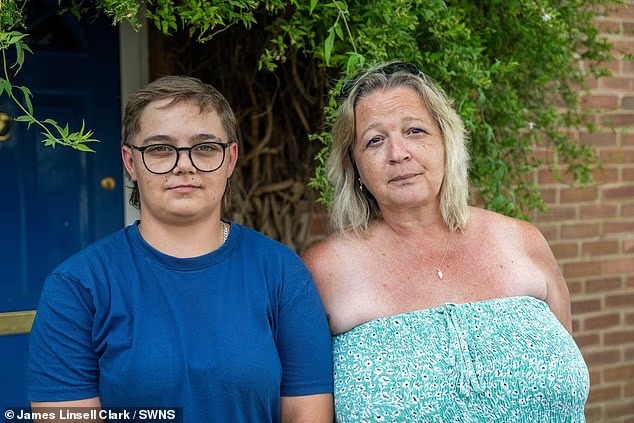
Some residents also questioned how the police and local authorities would manage the site if it housed more people than the village itself. Others voiced concerns about property values, saying they feared they would struggle to sell their homes if the plans proceed.
Similar concerns have been raised in Barnham, Suffolk, where another former RAF base has been identified as a possible site for around 1,250 asylum seekers. The village has fewer than 600 residents, and many locals have attended demonstrations opposing the proposals. Protesters have gathered outside the base carrying signs calling on the Government to abandon the plans, while local campaign groups say the village simply lacks the facilities needed to support such a large development.
Some residents in Barnham said they were particularly worried about community safety and the impact on local life, while others criticised what they described as a lack of consultation before the proposals were announced. Several local politicians and councils have also questioned whether the former military sites are appropriate locations for asylum accommodation, arguing that villages of this size do not have the infrastructure needed to support thousands of additional residents.

North Yorkshire Council has said it does not oppose providing safe accommodation for asylum seekers in principle but believes Linton-on-Ouse is not the right location for such a large facility. West Suffolk Council has similarly stated that RAF Barnham is the wrong site and has called for greater consultation and planning before any final decisions are made.
The proposals remain under consideration, and further discussions between the Government, local authorities and community representatives are expected before any final decisions are taken. For now, many residents say they remain uncertain about what the future holds and hope ministers will reconsider the scale and location of the planned asylum accommodation.