Judge Delivers Blow to Home Secretary After Ruling Key Asylum Policy Change Was Unlawful


The High Court has ruled that the Home Secretary acted unlawfully when she changed rules that reduced protections for some potential victims of human trafficking in order to speed up the Government’s “one in, one out” asylum returns scheme with France.
The legal challenge was brought by five asylum seekers who arrived in the UK by small boat and were selected for possible return to France under the agreement. Four of the claimants are from Eritrea, while the fifth is from Sudan. They argued that changes made to official guidance unfairly removed an important safeguard that allowed people refused trafficking protection to ask for their case to be looked at again.
In a detailed judgment published on Friday, Mr Justice Sheldon ruled that the Home Secretary’s decision to change the trafficking guidance was unlawful. The judge said the Government should not have removed the opportunity for certain people to have negative trafficking decisions reconsidered before they were returned to France.
However, the court did not rule against every decision made by the Home Secretary. While the guidance itself was found to be unlawful, the judge decided that several of the individual decisions taken in relation to the five asylum seekers were legally valid.
The court found that the change in guidance had a significant impact on two of the asylum seekers because they lost the chance to have their trafficking claims reviewed. In the other two cases examined, the judge concluded that the guidance change did not affect the final outcome. Despite this, all five asylum seekers were given permission to continue with their legal claims.
The ruling could have major consequences for the Government’s asylum policy because many people who arrive in the UK by small boat may also be victims of human trafficking. This is particularly relevant for migrants who travelled through Libya, where many reports have documented widespread abuse, exploitation and trafficking.
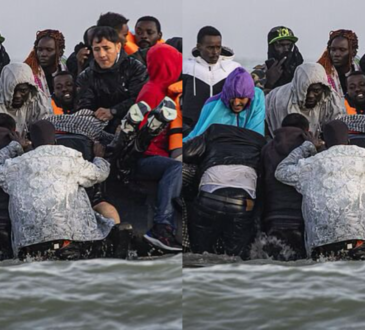
The “one in, one out” agreement between the UK and France allows the UK to return one migrant who crossed the English Channel illegally by small boat in exchange for accepting another asylum seeker already in France who has not attempted the dangerous crossing. The Government says the scheme is designed to discourage illegal Channel crossings while providing a safe and legal route for others.
To help speed up returns under the scheme, the Home Secretary changed the trafficking guidance so that some people who received an initial refusal on their trafficking claim could no longer ask for that decision to be reviewed. The Government argued that this would reduce delays and make it easier to return migrants to France more quickly.
Since the agreement began last August, it is believed that more than 1,000 migrants have been returned from the UK to France under the scheme. Reports presented during the court case suggested that many of those returned have since disappeared, while hundreds of other small boat arrivals remain in immigration detention centres across the UK waiting to be removed.
The Home Secretary argued that people returned to France would still receive protection because France is a signatory to international agreements that protect victims of human trafficking. However, evidence presented to the court claimed that non-French nationals, or people who were not trafficked within France itself, do not always receive the same level of support there as they would in the UK. Under the UK’s system, all recognised trafficking victims are entitled to the same protections regardless of their nationality or where the trafficking took place.
The judgment is expected to have a significant impact on future asylum and trafficking cases and may require the Government to review how it applies its policies when dealing with migrants who could be victims of modern slavery or human trafficking.