We Welcome Helping Asylum Seekers, But There Is One Concern We Believe Everyone Should Consider- Campaigners

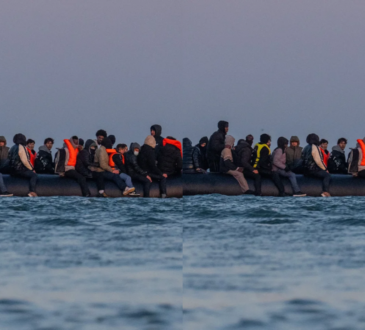
The row over plans to house 1,250 asylum seekers at a former Ministry of Defence site near Bicester has reignited a fierce debate about immigration, local responsibility and political consistency. The proposal has drawn opposition from the Oxford branch of Stand Up To Racism, but the reasons behind that opposition have sparked criticism from those who argue the campaign exposes a contradiction in the way some immigration campaigners approach the issue.
Campaigners insist they are not opposed to helping people seeking asylum. Instead, they argue that placing large numbers of people in what they describe as a military-style camp is inappropriate and risks treating vulnerable individuals without dignity. They also fear the site could become a magnet for protests and intimidation, pointing to demonstrations that have taken place outside some asylum hotels in other parts of the country.
While those concerns have been acknowledged by some, critics question what the practical alternative is. If the proposed site is rejected, they ask where such a large number of asylum seekers should be accommodated instead. Opponents of the petition argue that it is easy to object to government plans without presenting a realistic solution that balances humanitarian concerns with the practical need to provide accommodation.
The debate has also fuelled accusations of hypocrisy. Some commentators suggest it is easier to publicly support welcoming refugees when the accommodation is planned elsewhere rather than in one’s own community. They argue that genuine compassion should be accompanied by a willingness to accept the practical consequences of offering sanctuary, rather than expecting other towns and cities to shoulder the responsibility.
Others have gone further by suggesting that residents who strongly oppose the government site while continuing to campaign in favour of accepting more asylum seekers should consider opening their own homes to those in need. They argue that if enough local supporters were willing to host individuals or families, many of the concerns about large accommodation centres could be avoided altogether. Such an approach, they say, would allow asylum seekers to become part of local communities rather than being housed in isolated facilities.
Supporters of the petition reject that criticism, maintaining that the issue is not about refusing to help people but ensuring they are housed in conditions that allow them to integrate properly and live with dignity. They argue that government policy should focus on smaller-scale accommodation spread across communities instead of concentrating hundreds or thousands of people in one location.
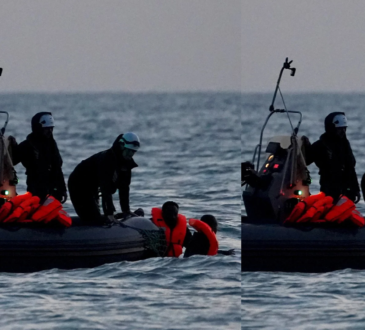
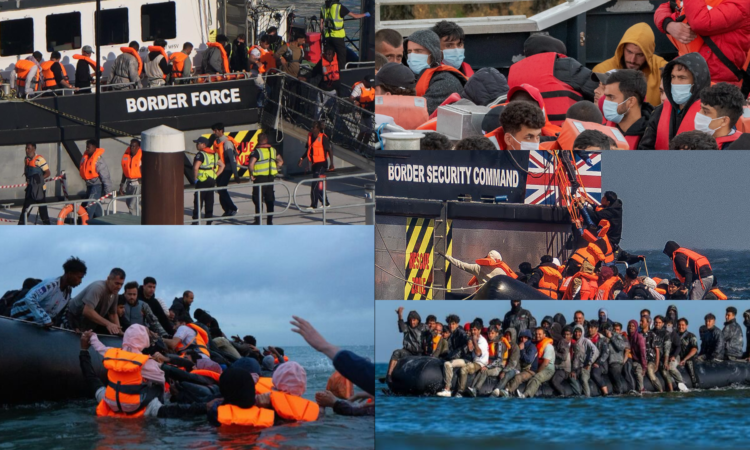
The disagreement reflects a wider national argument over how Britain should respond to increasing numbers of asylum seekers arriving in the country. While most people agree those fleeing conflict and persecution deserve protection, there remains significant disagreement over where they should be housed, how communities should be involved and who should bear the responsibility.
Another story that has raised serious concerns involves 19-year-old neo-Nazi Alfie Coleman, whose case has highlighted the growing threat of online radicalisation among young people. According to prosecutors, Coleman allegedly idolised Adolf Hitler, created a so-called kill list, attempted to obtain weapons and ammunition and planned a mass shooting designed to ignite racial violence. Investigators believe the attack was prevented before anyone could be harmed, following intervention by the security services.
The case has shocked many because of Coleman’s age and the extent of the alleged planning involved. Even more alarming are reports that he was exposed to extremist material online from the age of just 14. Counter-terrorism experts have repeatedly warned that social media platforms, encrypted messaging services and online forums are increasingly being used by extremists to target vulnerable children and teenagers, gradually drawing them into violent ideologies.
The allegations have renewed calls for stronger protections for young internet users. Supporters of tighter restrictions argue that limiting children’s access to major social media platforms could reduce opportunities for extremist groups to recruit and manipulate vulnerable young people. While acknowledging that no single law can completely eliminate radicalisation, they believe reducing exposure to harmful online content is an important safeguard.
At the same time, many argue that parents also have a vital role to play. Monitoring children’s online activity, understanding the content they consume and maintaining open conversations about internet safety are widely viewed as essential steps in preventing young people from becoming isolated in extremist online communities. The internet offers enormous educational and social benefits, but many experts warn it can also become a dangerous environment when left entirely unsupervised.
Political controversy has also intensified following Nigel Farage’s decision to trigger a by-election, with opponents accusing him of turning politics into expensive theatre at taxpayers’ expense. Critics argue that the election could cost hundreds of thousands of pounds while doing little more than generating headlines and media attention.
Some have questioned Farage’s long-standing image as an anti-establishment figure, pointing to his private education, financial background and decades in frontline politics. They argue that after spending so many years influencing national political debates and receiving significant financial backing, portraying himself as an outsider no longer reflects reality.
Others have accused him of applying political principles selectively. They argue that if politicians should seek a fresh mandate whenever circumstances change, then MPs who previously defected to Reform UK should also have resigned and fought by-elections. According to critics, consistency is essential if such constitutional arguments are to carry weight.
Supporters of Farage, however, argue that seeking a new mandate demonstrates accountability and gives voters a direct say on major political developments. They maintain that by-elections provide an opportunity for the public to express their views and hold elected representatives to account.
The dispute illustrates how political decisions often become as much about public perception and symbolism as policy itself. Whether viewed as a principled stand or unnecessary political theatre, the argument has once again placed questions of accountability, consistency and public spending firmly at the centre of Britain’s political debate.