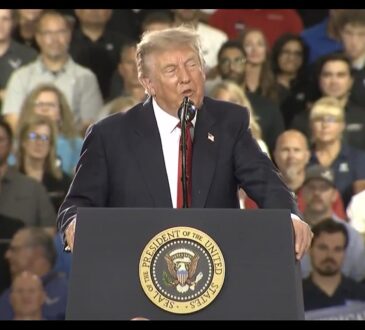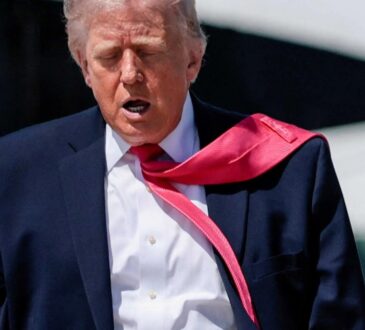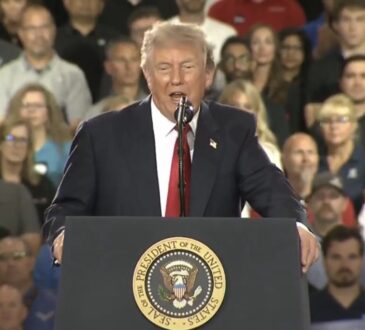
Donald Trump suffers ‘hypomanic episode’ with classic signs of psychiatric sickness: experts

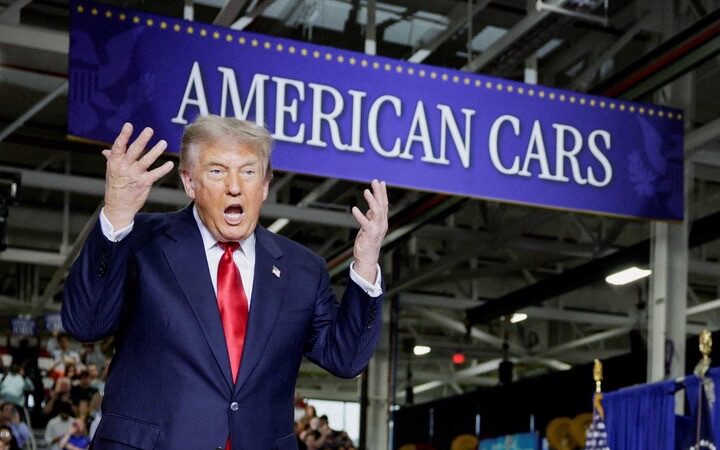
President Donald Trump sparked fresh discussion online after posting around 60 times on his Truth Social account in the space of about two hours on Sunday, prompting some critics and commentators to question his behaviour during the unusually active posting spree.
The large number of posts caught the attention of the team behind the Shallow State account on X, run by documentary makers Daniel Partland and Art Horan, along with behaviourist Howard Marks. They claimed the rapid stream of messages stood out because many of the posts included AI-generated images and covered a wide range of topics in quick succession.
Conservative attorney and outspoken Trump critic George Conway also highlighted the activity, asking why more news organisations were not paying closer attention. Referring to the Shallow State post, Conway questioned why the media was not examining what the account described as a possible “hypomanic episode.”
The Shallow State account argued that Trump’s posting pattern was far from ordinary. They wrote that he had been publishing “post after post after post” for roughly two hours and estimated that there were about 60 posts in total. According to them, many of the posts featured AI-generated images while reflecting what they described as recurring themes such as anger, resentment, division and personal grievance.
The account went on to claim that Trump’s online activity reflected emotional frustration and a desire for revenge. They suggested that he was reacting to several recent setbacks and controversies, including ongoing attention surrounding Jeffrey Epstein, criticism of one of his recent speeches, legal defeats, the removal of his name from a building, and reports that some musical artists had withdrawn from an event connected to him.
The post also claimed that Trump was frustrated by being tied to developments involving Iran and argued that these events had increased his agitation. The authors suggested he was becoming increasingly anxious as public scrutiny continued and claimed that he feared damaging information about him could eventually become public.
According to the account, Trump’s rapid posting reflected someone who was struggling to remain calm under mounting pressure. They argued that his behaviour showed signs of fear, desperation and emotional instability, suggesting that people with what they described as narcissistic personality traits often become more unpredictable as they feel their influence slipping away.
George Conway echoed the call for greater media attention. He argued that understanding Trump’s behaviour was not especially complicated, saying there were many books and experts in psychology, psychiatry, history and political science who could help explain what they believed the public was witnessing.
Conway concluded by saying that the press should be examining the president’s behaviour more closely and interviewing specialists who could provide context, arguing that journalists had a responsibility to explore the significance of such public actions. Trump’s supporters, however, have often rejected psychological assessments made from afar, arguing that his energetic social media activity is simply part of his communication style and political strategy rather than evidence of any mental health condition.