One Migrant Out of the 60,000 Who Crossed Into Spain From Morocco Was Asked Why He Made the Journey, His Simple Answer Left the GB News Reporter Surprised

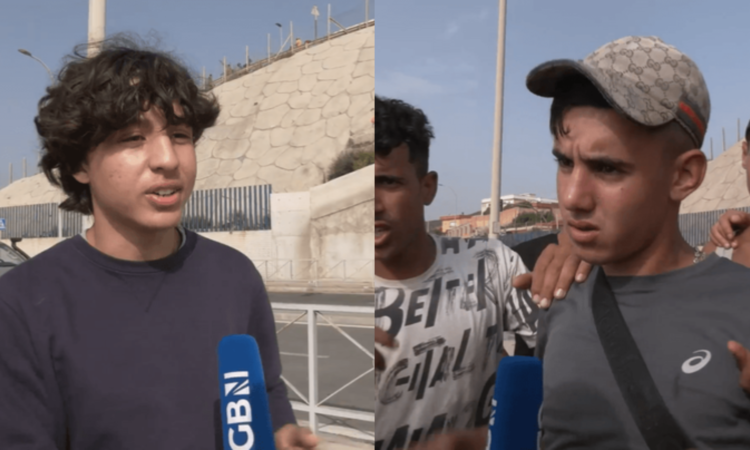
GB News reporter Dougie Beattie has spoken to several African migrants after tens of thousands crossed into the Spanish city of Ceuta during the recent border crisis.
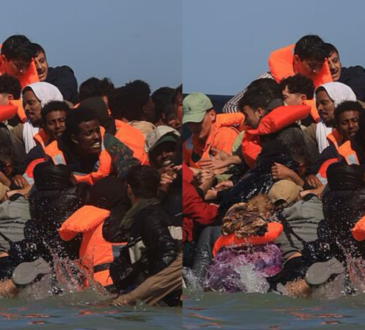
The Spanish army was sent to Ceuta, a Spanish territory on the coast of North Africa, after around 60,000 migrants, most of them young men, crossed from Morocco by swimming around border fences and rushing into the city. The military was deployed to help restore order and stop more people from entering.
Videos shared online showed huge crowds of migrants making their way into Ceuta. Many were seen swimming through the sea, climbing over border barriers, and running through the streets as local authorities struggled to deal with the situation. The scenes caused panic among residents and visitors, while businesses across the city were forced to close. According to reports, at least 77 people lost their lives during the chaos.
While reporting from Ceuta, Dougie Beattie spoke directly to some of the migrants who had entered the city. One young man surprised him with his answer when asked why he had crossed into Ceuta.
The migrant said, “I don’t want anything from here. Just for fun.”
Dougie asked him if he wanted to stay in the European Union, but the young man replied that he had no interest in staying.
“I don’t want anything from this place. I am just chilling. I just came here for fun,” he said.
Dougie later spoke with another group of young men. Only one of them could speak English, so he translated what the others wanted to say. According to the translator, one of the migrants hoped to build a better future and change his life.
The reporter explained that many of the conversations he had with migrants away from the cameras painted a different picture. He said several people told him they wanted to remain in Europe, find jobs, and eventually travel from Ceuta to mainland Europe to start a new life.
Dougie said that many migrants now see Ceuta as one of the easiest entry points into the European Union. He described the city as one of the EU’s most vulnerable border areas because of its location on the African coast.
He also revealed that the Spanish authorities had already managed to return a large number of migrants back to Morocco. Around 48,000 people reportedly went back after the Spanish army arrived in large numbers and began restoring control.
The military presence quickly changed the situation across the city. Dougie said the streets became heavily guarded, while soldiers carried out operations to locate groups of migrants and transport them back towards the border. He described seeing heavily armed Spanish soldiers travelling through the streets in military vehicles and bringing back hundreds of migrants at a time.
According to Dougie, the impact on Ceuta has been enormous. He said the financial cost to the town over just a few days has been extremely high.
He explained that Ceuta is normally a popular holiday destination, but the crisis brought everyday life to a standstill. Hotels closed their doors, shops stopped trading, and many businesses were unable to operate as the city focused on dealing with the emergency.
Basic services were also badly affected. Some areas experienced shortages of water and toilet facilities, while transport services were disrupted. Dougie said even the ferry connecting Ceuta with the Spanish mainland had to change its schedule, with the final vehicles boarding much earlier than usual. As a result, many travellers were forced to leave the city sooner than planned because of the ongoing security situation.