Nigel Farage Sends Strong Warning to Migrants With Indefinite Leave to Remain in Britain as He Reveals What Reform UK Plans to Do With Their Status


Nigel Farage has accused the Labour Party of fighting among itself over plans to change the UK’s Indefinite Leave to Remain (ILR) system, claiming that senior government figures are putting the interests of foreign nationals ahead of the British public.
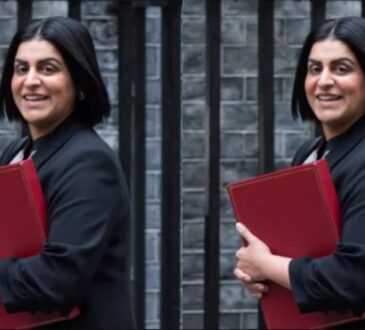
The Reform UK leader said Home Secretary Shabana Mahmood was facing strong opposition from members of her own party over proposed changes to the rules that allow migrants to settle permanently in Britain.
According to Farage, Mahmood is expected to back down on some of the proposed changes following pressure from Labour politicians who believe it would be unfair to change the rules for people who have already made their lives in the UK.
Farage singled out Angela Rayner, claiming she had emerged victorious in the disagreement after defending existing settlement arrangements introduced under the previous Conservative government.
He said Rayner’s argument was based on the idea of fairness towards foreign nationals who had entered Britain under the current immigration system.
However, Farage questioned why the government was focusing on fairness towards migrants without giving the same consideration to British citizens.
He argued that communities across Britain were already experiencing pressure on housing, public services and local facilities because of immigration.
Farage said villages, towns, suburbs and major cities were having to deal with the consequences of immigration policies without ordinary residents being properly consulted.
He also questioned whether the current government had public support for its approach to immigration, arguing that growing numbers of people wanted immigration levels to fall significantly.
The Reform UK leader went further by calling for Britain to move towards negative net migration, which would mean more people leaving the country than arriving to live here.
Farage also blamed the Conservative Party for creating many of the problems he believes Britain is facing today.
He said the disagreement within Labour was largely the result of immigration decisions made during the Conservatives’ 14 years in government.
According to him, the previous government allowed immigration levels to rise while failing to introduce a settlement system that properly served the interests of British citizens.
He accused both Labour and the Conservatives of proposing small changes instead of addressing what he considers to be the main problem.
Farage argued that neither party was prepared to make the major changes he believes are necessary.
He said Reform UK would take a completely different approach by abolishing Indefinite Leave to Remain altogether.
Under the policy he described, Reform UK would not only stop granting ILR to new applicants but would also seek to withdraw settlement rights already awarded to foreign nationals.
Such a proposal would represent a major change to Britain’s immigration system, although its implementation would raise significant legal and practical questions, particularly for people who have already secured permanent residence.
Indefinite Leave to Remain currently allows eligible foreign nationals to live and work in the UK without a time limit on their immigration permission. It is also an important step towards British citizenship for many people.
Farage believes the system has allowed too many people to settle permanently in Britain and argues that it should be replaced rather than adjusted.
He also criticised the Conservatives for what he described as their failure to control immigration during Boris Johnson’s time as prime minister.
Farage referred to the large increase in immigration during that period as the “Boriswave” and promised that Reform UK would bring it to an end.
He accused Labour and the Conservatives of repeatedly putting the interests of foreign nationals first while failing to listen to the concerns of British voters.
His comments come amid continuing political disagreements over how Britain should manage immigration, permanent settlement and the rights of people who have already established their lives in the country.
The debate also raises questions about whether changes to settlement rules should apply only to future migrants or whether people already living legally in Britain should face new requirements.
For migrants who have spent years working, paying taxes and building families in the UK, changes to ILR could have serious consequences, particularly if existing settlement rights were affected.
Supporters of stricter immigration rules argue that the government must reduce long-term migration and address pressure on housing and public services. Others believe that people who followed the rules in place when they arrived should not face unexpected changes to their immigration status.
Farage, however, insisted that the current system was no longer working for ordinary British people.
He argued that if immigration rules were failing to serve the interests of the country, the government should be prepared to remove them entirely rather than continue making minor adjustments.
His remarks reflect Reform UK’s wider position on immigration and its efforts to distinguish itself from both Labour and the Conservatives.