“I Left My Country to Come to the UK and Help the NHS, But What Some Patients Did Left Me Heartbroken”

NHS workers have spoken out about the shocking racist abuse they say they are facing from some patients, with many claiming the problem has become much worse over the past 18 months. Some staff say they have even been refused by patients simply because they are not white, leaving many healthcare professionals feeling hurt, frustrated, and worried about the future.
Many of the workers affected came to the UK from other countries to help support the NHS during a time when the health service continues to face staff shortages. Instead of being welcomed, some say they are now dealing with racist comments, insults, and discrimination while simply trying to care for patients.
A recent survey by the Society of Radiographers found a worrying increase in reports of racism from patients. Staff who took part in the survey believe the rise in far-right political views and anti-immigration rhetoric has contributed to the increase in abuse they are experiencing.
The latest NHS Staff Survey, published earlier this year, also showed that discrimination against NHS workers has reached its highest level in five years. Around 9.26% of NHS staff said they experienced discrimination at work during the previous 12 months. This is an increase from 7.91% in 2021, showing the problem has continued to grow year after year.
Because of these concerns, the Society of Radiographers is calling for the NHS to officially record every incident of racism reported by staff and closely monitor how each case is handled. The proposal has also received support from the Royal College of Nursing, which says stronger action is urgently needed.
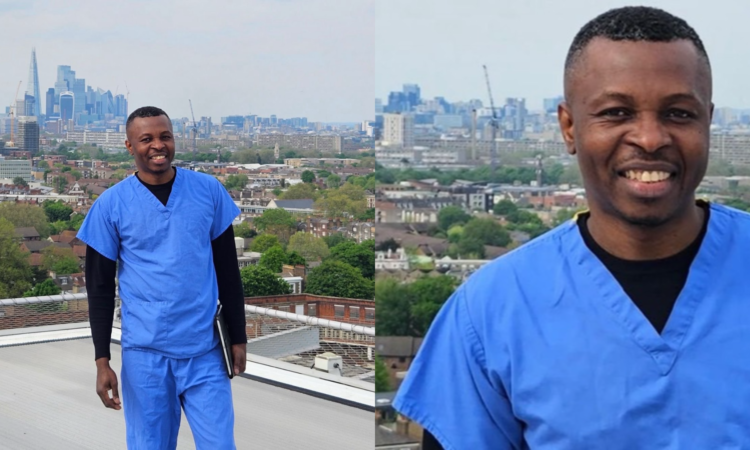
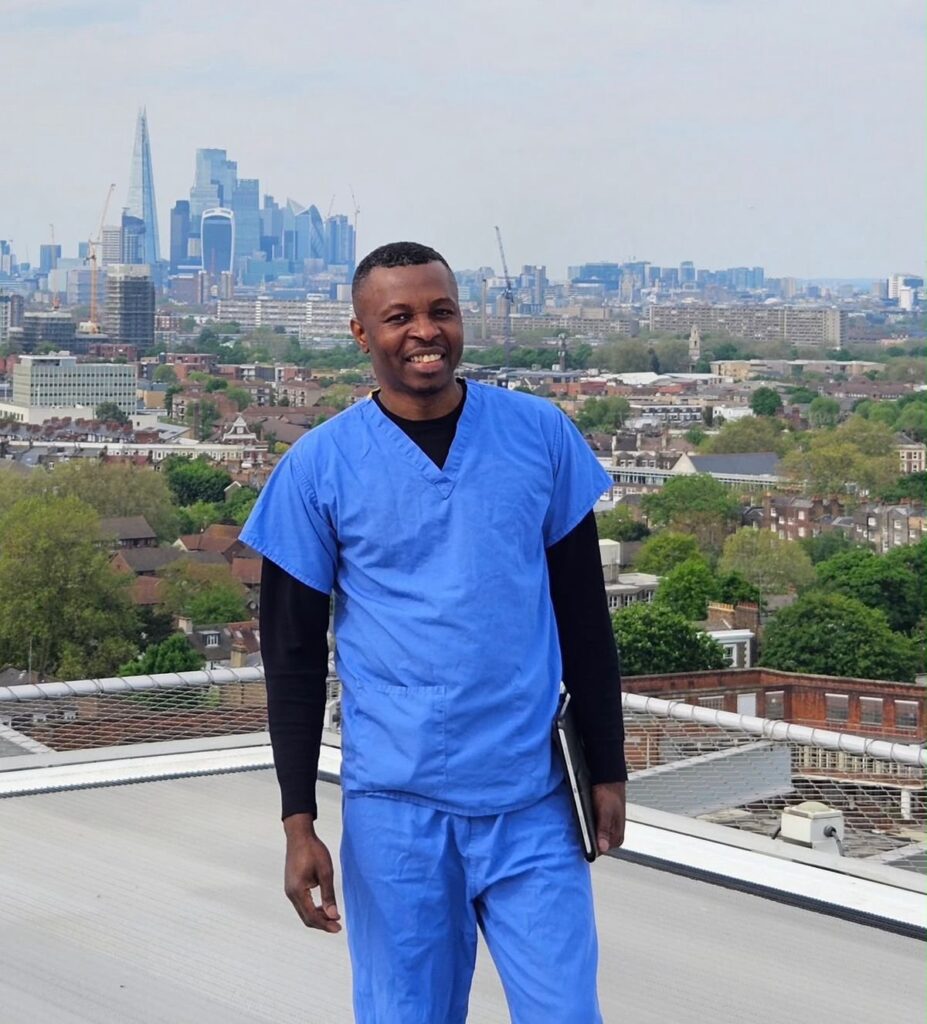
One of those speaking out is 43-year-old MRI radiographer Paul Awah, a father of three who moved from Nigeria to work in the NHS. He said he has personally seen a noticeable rise in racist behaviour from patients and believes attitudes have become worse over the last year and a half.
Paul explained that there have been times when patients appeared uncomfortable simply because he was treating them. He recalled one recent incident where he tried to insert a cannula, but the patient became distressed and called for help. He said that when another colleague, who had less experience but was white, took over, the patient immediately became cooperative. The incident happened only a couple of weeks ago and left him deeply concerned.
Paul said the growing hostility worries him not only as a healthcare worker but also as a father. He fears that the increasing level of racism could affect the future his children will grow up in.
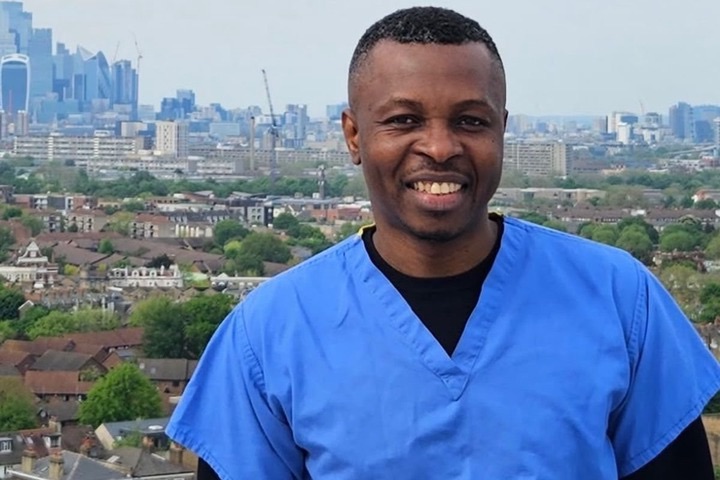
Another radiographer, 28-year-old Ifeanyi Obike, was born in Nigeria and moved to the UK in 2022 to work as a CT radiographer. Although he describes himself as someone with a positive attitude who rarely lets negative comments affect him, one encounter left him shocked.
He said he was walking through a hospital corridor when he heard a patient asking his healthcare assistant whether he would be carrying out the scan. After being told that he would, the patient reportedly said they no longer wanted the examination, walked out of the department, and refused treatment simply because of who was going to perform it.
For Ifeanyi, the experience was upsetting because he had done nothing wrong and was simply trying to provide professional medical care.
NHS England has strongly condemned racist abuse directed at healthcare workers. Thomas Simons, Chief Human Resources and Organisational Development Officer at NHS England, said racism has absolutely no place in the NHS and should never be accepted.
He explained that new national staff standards require NHS organisations to take meaningful action to prevent racism, support workers who experience abuse, and ensure there are consequences for patients who racially abuse or discriminate against staff. In non-emergency situations, NHS organisations may even refuse treatment to patients who behave in this way.
The Royal College of Nursing has also expressed serious concern about the findings. Brian Morton, the organisation’s Associate Director of Employment Relations, described the survey results as deeply disturbing and said they reflect what many nursing staff across the country are already experiencing.
He said the NHS workforce is made up of people from many different backgrounds, nationalities, and ethnicities, and this diversity should be valued rather than targeted. He warned that if racist abuse is not properly addressed, the NHS risks losing dedicated healthcare workers who no longer feel safe or respected in their workplace.
The Royal College of Nursing is also calling for a national system to record every incident of racial abuse. The organisation wants the NHS to collect detailed information about where incidents happen, which staff groups are affected, and the ethnicity of the workers involved. It believes this information is essential if health leaders are to understand the true scale of the problem and take effective action.
Both organisations say employers must be held accountable if they fail to protect their staff from racism, stressing that everyone working in the NHS deserves to be treated with dignity and respect while caring for patients.