Muslim Pakistani and Indian Women Tricked by Their Husbands Into Going on Family Holidays, Only to Face a Terrible Situation When They Arrive

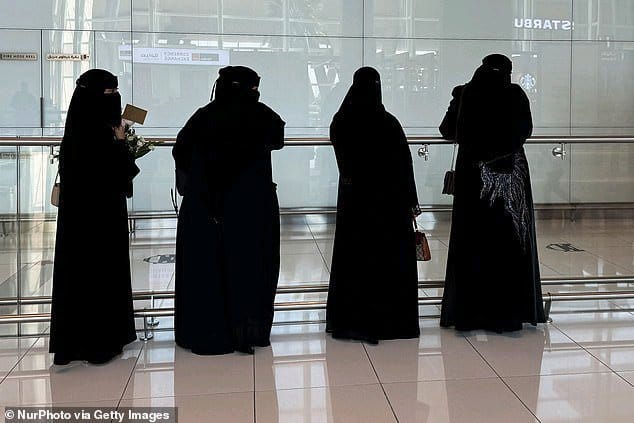
Women from Pakistani and Indian backgrounds living in Australia are reportedly being tricked by their husbands into travelling overseas for what they believe will be family holidays. However, some of these trips have ended in terrible situations, with women allegedly being abandoned in foreign countries without their passports, money or any way of returning home.
A leading women’s safety campaigner has warned that the problem is becoming increasingly serious, with some women allegedly being sent abroad to work as unpaid servants for their husbands’ families.
The warning comes after two Pakistani men were charged in separate cases involving alleged exit trafficking within just two days of each other.
Exit trafficking happens when someone is forced, threatened or tricked into leaving a country, often with the intention of preventing them from returning or controlling their freedom.
One of the men, 35-year-old Muhammad Bilal Khan from Sydney, was charged after allegedly persuading his wife to travel to Pakistan for a holiday earlier this year.
According to police, the woman believed she was going on a normal family trip. However, once they arrived in Pakistan, her husband allegedly took control of her passport and left her stranded in the country.
The case has raised concerns about women who travel abroad with their husbands without knowing that they may not be allowed to return to Australia.
Just one day after that case was announced, Australian Federal Police revealed that another Pakistani man had been charged over a separate incident.
The man, who lives in Melbourne, allegedly attempted to force a woman and her two young children to leave Australia through Melbourne Airport in June.
Police claim he threatened the woman in an attempt to make her travel to Pakistan against her wishes.
Both cases have drawn attention to a form of human trafficking that campaigners say is often hidden within families and marriages.
Yasmin Khan, who leads the Bangle Foundation, a volunteer organisation supporting South Asian women experiencing domestic abuse, said she has heard similar stories many times.
According to her, some women from Pakistani and Indian communities have been taken overseas by their husbands and left in difficult situations where they have little freedom or control over their lives.
She explained that some women are even expected to become unpaid domestic workers for their husbands’ elderly parents.
Ms Khan described the situation of one woman who is currently stranded in India.
The woman had travelled with her husband on a religious pilgrimage. During their journey home, she was reportedly told to visit her parents.
However, she was allegedly left behind while her husband returned to Sydney.
Ms Khan said the woman is now struggling to find a way back to Australia, while her husband continues living his normal life.
She also spoke about another woman who has four children and whose husband is reportedly trying to send her overseas to live with his parents.
According to Ms Khan, the woman fears she will have no independence if she is forced to move.
She cannot drive, does not speak the local language and has no money of her own.
Her husband reportedly told her that his parents were getting older and needed someone to look after their home.
Ms Khan believes the arrangement would effectively turn the woman and her four children into unpaid helpers for the husband’s family.
She warned that these situations can leave women completely dependent on their husbands or in-laws, making it extremely difficult for them to escape.
Although she has seen several cases involving Pakistani and Indian families, Ms Khan stressed that exit trafficking can happen to people from any nationality, religion or cultural background.
She said one major problem is that some women are raised to believe that family problems must never be discussed with outsiders.
As a result, victims may feel ashamed or frightened to report what is happening to them.
Ms Khan argued that certain long-standing cultural expectations can make women feel they must obey their husbands, even when they are being treated unfairly.
She made clear that she sees these problems as linked to cultural practices rather than religion itself.
According to her, women who have grown up in environments where they have limited independence may find it harder to recognise controlling behaviour or seek help.
She also suggested that some husbands use exit trafficking when their marriages begin to break down.
For example, a man who fears divorce or losing part of his property may try to send his wife overseas to prevent her from claiming financial support or other legal rights.
Ms Khan said some men may believe that Australia’s family law system favours women, which could influence their decision to remove their wives from the country.
However, these are concerns raised by the campaigner and do not mean that all men involved in marriage disputes behave this way.
The issue is not entirely new in Australia.
In 2021, a Sydney man became the first person in the country to be convicted of exit trafficking.
The man was caught on CCTV threatening a woman and her child while forcing them onto a flight from Sydney to India.
The case showed how family members can use threats and intimidation to force vulnerable people to leave Australia.
New figures from Australian Federal Police suggest that reports of exit trafficking are increasing.
During the 2024–25 financial year, police investigated 420 reports of human trafficking across Australia.
Of these, 75 involved allegations of exit trafficking, compared with 35 reports during the previous financial year.
This means the number of reported exit trafficking cases more than doubled within a year.
Police figures also showed that 64 per cent of the allegations involved a family member or someone in an intimate relationship with the alleged offender.
Another worrying finding was that 24 of the reported cases involved victims under the age of 18.
Authorities believe the actual number of victims could be much higher because many people are too frightened to report their experiences.
An Australian Federal Police spokesperson said the increase in reports may partly reflect greater public awareness of human trafficking.
However, police believe many cases remain hidden.
The spokesperson explained that human trafficking can affect anyone, regardless of age, gender, religion, nationality or financial background.
People who struggle financially, cannot speak English confidently, have uncertain visa arrangements or do not understand Australian laws may face greater risks.
Lina Garcia Daza, who leads the Australian Red Cross Support for Trafficked People Program, also expressed concern about the growing number of cases.
She said the organisation has already received 36 referrals this year involving people who experienced exit trafficking.
According to the organisation, this represents a 140 per cent increase compared with 2024.
Ms Daza explained that victims have been trafficked to several parts of the world, including the Middle East, South East Asia and West Africa.
She said exit trafficking can happen for different reasons and is sometimes connected to forced or false marriages, domestic violence and controlling relationships.
One of the biggest difficulties is that victims may lose contact with the outside world after being taken overseas.
Some have their phones taken away, while others lose access to the internet, money or important documents.
Without these things, contacting the police, an embassy or relatives can become extremely difficult.
Experts say there are several warning signs that someone could be at risk of exit trafficking.
These include travelling without control of their own passport, having no return ticket, not knowing exactly where they are going or being unable to explain how long they will stay overseas.
Other warning signs include someone having their flight arrangements changed without permission, being prevented from using their phone or appearing frightened about travelling.
A person who cannot make their own decisions about a journey may also be experiencing pressure or threats.
Ms Daza advised people who are concerned about a friend or family member to help them prepare important contact details before travelling.
These should include telephone numbers for Australian embassies and consulates in the country they are visiting.
She explained that victims may have only one opportunity to contact someone for help after being taken overseas.
For this reason, having emergency numbers and knowing where to seek assistance can make a major difference.
Ms Khan also encouraged women who fear they may be at risk to keep control of their passports and their children’s travel documents whenever possible.
She advised making copies of important documents so that victims have some form of identification if the originals are taken away.
Campaigners say the most disturbing part of these cases is that the danger sometimes comes from the very people victims believe they can trust.
Instead of being threatened by strangers, some women find themselves allegedly being controlled or abandoned by their own husbands or relatives.
The Australian Red Cross says its support programme provides assistance to people affected by modern slavery, including accommodation, financial help and referrals for legal, immigration and medical services.
Victims can receive support even if they do not want to take part in a criminal investigation.
Anyone in Australia who believes they may be experiencing exit trafficking or could be at risk is encouraged to contact the Australian Federal Police on 131 237.
Authorities advise people to seek help before leaving Australia whenever possible, because assisting someone who has already been taken overseas can be more complicated.
Australians who need urgent consular assistance while abroad can contact the 24-hour Consular Emergency Centre on +61 2 6261 3305.
People calling from within Australia can use 1300 555 135.
Women’s safety organisations are now calling for greater awareness of exit trafficking, warning that what begins as an ordinary family holiday can sometimes leave victims trapped thousands of miles from the country they call home.
They say recognising the warning signs early, protecting important documents and knowing where to get help could prevent more women and children from becoming victims of this hidden form of human trafficking.