Police Left Shocked After Discovering the Huge Number of Illegal Knives a 20-Year-Old London Security Guard Was Bringing Into the UK and Who He Was Selling Them To

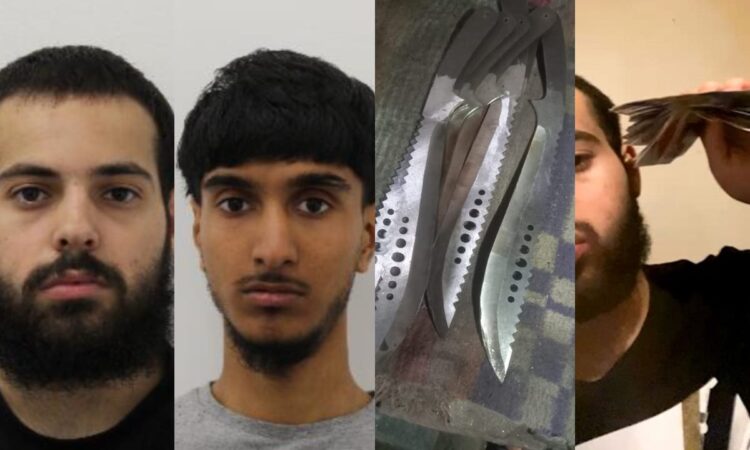
A 20-year-old security guard from South London has admitted bringing hundreds of dangerous knives into Britain and selling them online. Police discovered the operation during an investigation into online fraud, which eventually exposed a much bigger criminal business involving illegal weapons, fake money and other suspicious activities.
Jonathan Soares, from Lambeth in South London, pleaded guilty to 12 offences at Inner London Crown Court on 10 September 2026. His crimes included importing banned weapons into the United Kingdom and being involved in illegal financial activities.
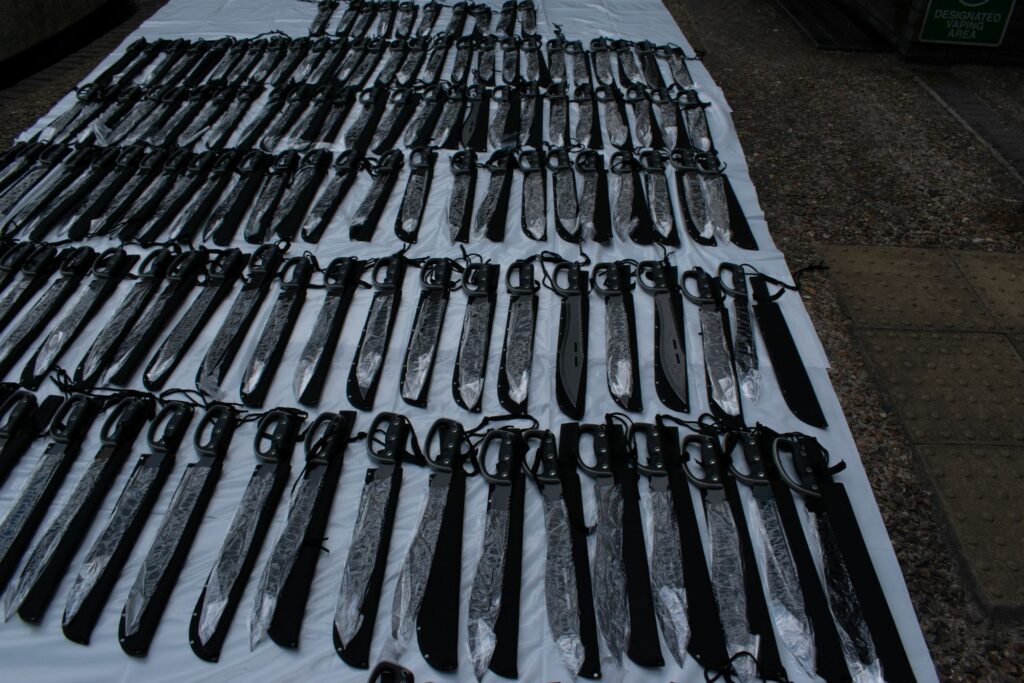
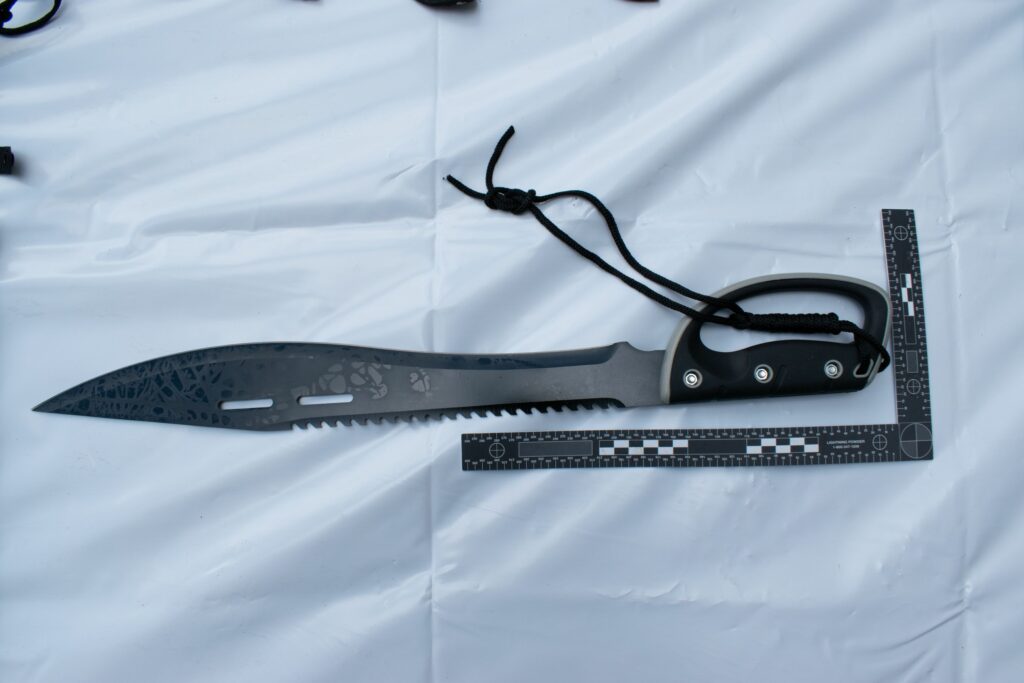
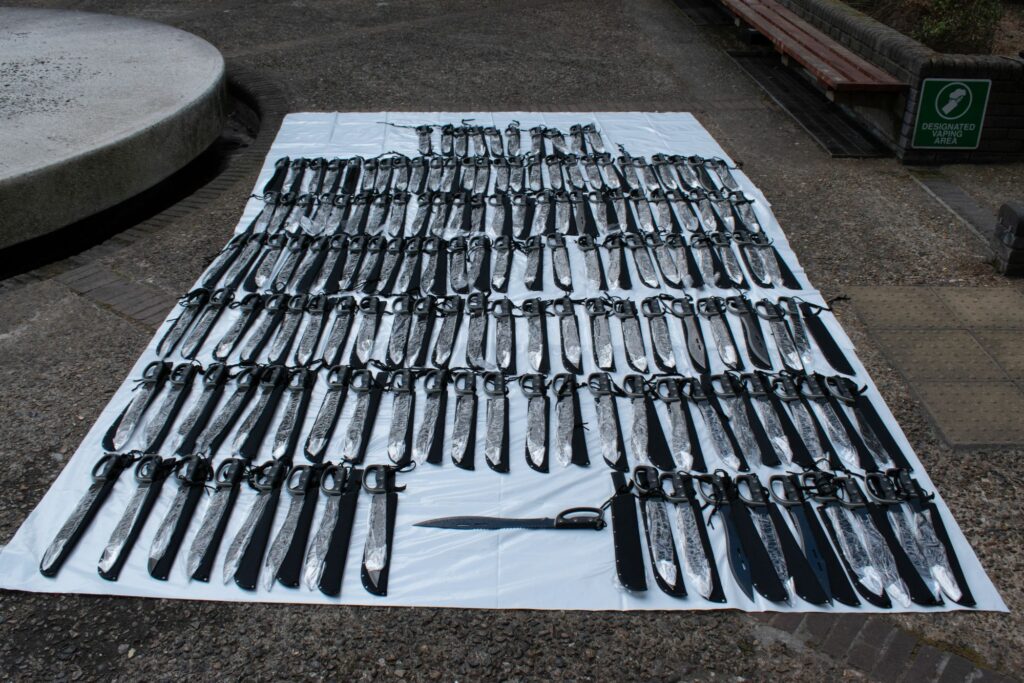
The Metropolitan Police said the investigation led to the seizure of almost 650 dangerous knives, including zombie knives, Rambo-style knives, flick knives and push daggers. Officers believe their actions prevented many of these weapons from reaching people who could have used them to commit serious crimes.
What made the discovery particularly worrying was that some of the weapons were being sold to young people, including schoolchildren.
The investigation began on 9 June 2026 when police arrested Soares over suspected fraud. At first, officers were looking into his involvement in online financial crimes. They believed he was using a Telegram account called “Financer” to advertise illegal services, including money laundering.
However, when officers searched his home and examined his electronic devices, they discovered evidence of a much larger operation.
Investigators found more than 2.5 million pictures, videos and messages stored on his devices. After examining the information, they discovered conversations showing that Soares had been contacting manufacturers in countries including Pakistan, China and South Korea.
Police said he was ordering dangerous knives from these countries and arranging for them to be shipped into Britain. The weapons were then advertised and sold through online platforms.
The investigation showed that Soares was not simply buying a few knives for personal use. He was ordering weapons in large quantities and building a business around selling them to customers.
Some of the knives were designed to look particularly frightening, with large blades and unusual shapes. Others were types of weapons that are banned under British law because of the serious injuries they can cause.
Officers also discovered that Soares was directly involved in deciding how some of the knives should look.
According to investigators, he contacted overseas manufacturers and gave them instructions about the colours, designs and appearance of certain weapons.
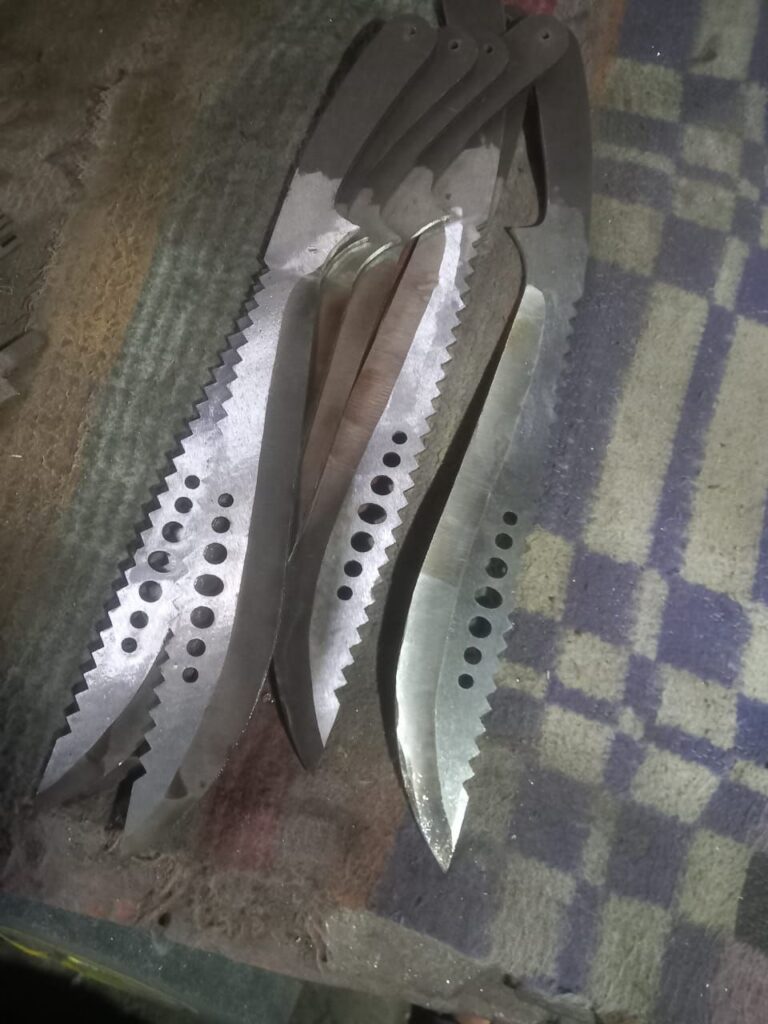
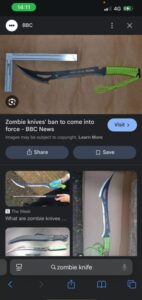



In one particularly concerning discovery, police found that he had sent a manufacturer a picture of a knife featured in a BBC report about the government’s ban on dangerous weapons. He then asked the manufacturer to produce something similar.
This suggested that Soares was aware of the restrictions placed on certain knives in Britain but continued trying to obtain them.
Police also found evidence that he was encouraging other people to become involved in selling illegal weapons.
Rather than keeping the business small, investigators said he appeared interested in expanding the operation and helping other sellers make money from the trade.
One of the most disturbing parts of the investigation involved the people buying the knives.
Detectives discovered that some customers were schoolchildren. This raised serious concerns about how easily dangerous weapons could reach young people through online sellers.
The possibility of such knives ending up in the hands of teenagers was particularly worrying because London has continued to face problems involving knife crime and violence among young people.
Police also found messages suggesting that Soares knew some weapons he had sold had been used to stab and injure people.
Despite this information, investigators said he continued with his activities.
As officers examined the operation, they began intercepting shipments of illegal knives entering Britain.
By the time the investigation had progressed, police had seized almost 650 weapons linked to the operation.
These included large zombie-style knives and other banned blades that could have caused serious injuries if used in violent attacks.
The police investigation did not end with Soares.
Officers also discovered evidence connecting another young man to the illegal knife trade.
Rayhan Rahman, an 18-year-old from Chadwell Heath in East London, was identified during the investigation.
Police intercepted a parcel intended for Rahman containing 10 zombie knives and 20 push daggers.
Investigators believed the weapons were intended to be sold to other people.
Rahman later pleaded guilty to offences connected with importing prohibited weapons.
Another major discovery came on 22 July 2026 when police searched an address in Croydon.
During the search, officers recovered 150 zombie-style machetes.
The discovery added to concerns about the number of dangerous weapons being brought into Britain and the possibility of them being distributed to different parts of the country.
As investigators continued examining the evidence, they found that Soares had also shown an interest in obtaining firearms.
Police discovered communications suggesting that he had been contacting overseas suppliers about guns.
He had also been researching the possibility of making firearms using 3D printing technology.
This raised further concerns because the investigation was no longer limited to illegal knives.
However, police said they were able to stop these plans before they developed into an operation involving firearms.
During their searches, officers also recovered seven mobile phones, a laptop, an illegal flick knife and £7,690 in counterfeit banknotes.
The fake money added another serious element to the case and showed why the investigation had originally attracted the attention of officers dealing with financial crime.
The Metropolitan Police said the operation was an important success in its efforts to stop dangerous weapons from reaching the streets.
Officers explained that weapons such as zombie knives are particularly concerning because they can cause devastating injuries.
Although Britain has introduced restrictions on certain types of knives, criminals can still attempt to obtain them through illegal imports and online sales.
The government has made it illegal to possess, sell, manufacture or import several categories of dangerous weapons, including certain zombie-style knives.
These restrictions are intended to reduce the availability of weapons that have been connected with serious violence.
However, the case involving Soares shows how some people continue trying to avoid these restrictions by ordering weapons from overseas manufacturers.
Police also highlighted the serious problem of knife violence involving young people.
According to figures cited by the Metropolitan Police in September 2026, zombie knives had been involved in approximately one in ten serious violent incidents involving people under the age of 25 in London that year.
This has increased concerns about the availability of such weapons and the risks faced by young people in some communities.
For parents, teachers and residents, the discovery that schoolchildren were among the customers of an illegal knife seller is particularly alarming.
It raises questions about how young people are finding these sellers online and what more can be done to prevent dangerous weapons from reaching them.
Online platforms can make it easier for criminals to communicate with buyers without meeting them face to face.
In this case, police said digital evidence played an important role in helping investigators understand how the operation worked.
Messages, photographs and other information recovered from electronic devices helped officers identify overseas suppliers, suspected customers and people connected to the illegal trade.
Detective Chief Inspector Imran Beg, who was involved in the investigation, criticised the activities uncovered by officers.
He said the case showed a serious lack of concern for the harm that dangerous weapons could cause to other people.
Police believe that by intercepting the shipments and stopping the operation, they prevented hundreds of illegal knives from being distributed across Britain.
The investigation also showed how a case that began with suspected financial fraud could lead detectives to uncover a much more dangerous criminal operation.
What initially appeared to involve online money-related offences eventually exposed an international supply network bringing prohibited weapons into the United Kingdom.
The case has also drawn attention to the role of overseas manufacturers and online sellers in supplying weapons that are banned in Britain.
Although the knives were manufactured abroad, investigators said the arrangements to bring them into the country and sell them were being organised from London.
The involvement of two young men, aged just 20 and 18, has also raised concerns about how younger people can become involved in serious criminal activities through online networks.
Both Soares and Rahman admitted offences connected with the investigation.
At the time the Metropolitan Police announced the case in September 2026, Soares was awaiting sentencing, while Rahman’s sentencing had been scheduled for 13 October 2026. Their latest sentencing outcomes have not been confirmed in this account.
The police operation has been described as an important step towards reducing the number of dangerous weapons available on Britain’s streets.
For investigators, the most important outcome was that hundreds of prohibited knives were intercepted before they could be delivered to buyers.
The case serves as another warning about the dangers of illegal weapon sales and the growing challenges police face when criminals use the internet to organise their activities.
It also highlights why officers continue to investigate online criminal networks, even when the original investigation appears to involve a completely different offence.
In this case, an investigation into suspected fraud eventually helped uncover hundreds of illegal knives, overseas suppliers, young buyers and plans that could have led to even more dangerous weapons entering Britain.