
Andy Burnham Makes Big Promise to Muslims Living in Britain After Revealing What They Have Been Going Through for the Past 10 Years

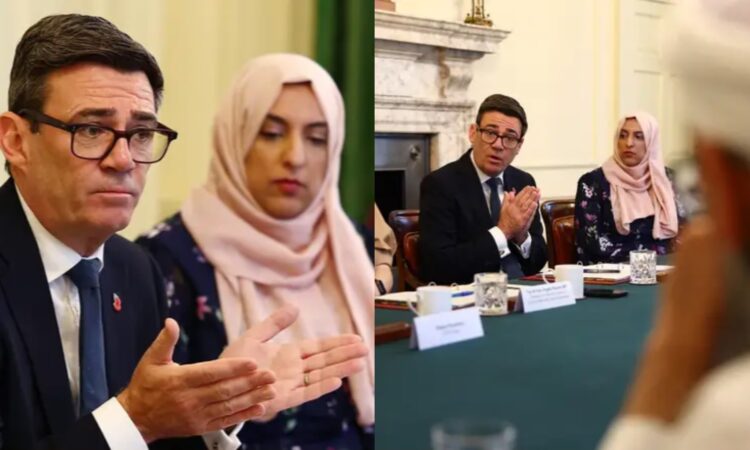
Andy Burnham has promised to work closely with Muslims living in Britain after saying that many have suffered from hatred, discrimination and unfair treatment over the past 10 years.
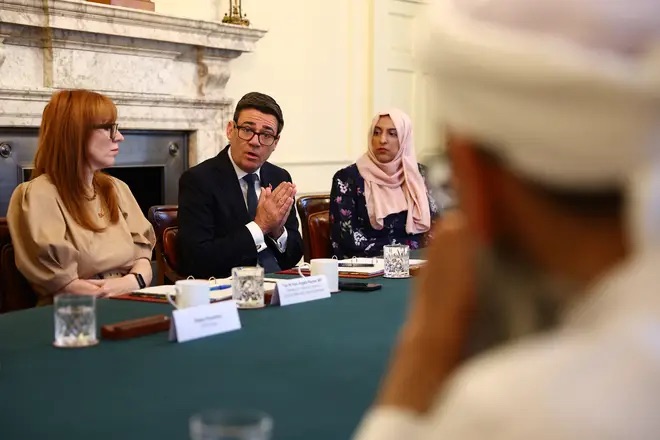
Speaking during a meeting with Muslim community leaders at Downing Street, Mr Burnham said Britain must move away from the arguments and divisions that have caused problems between different communities.
He explained that he wants to see a country where people from different religions, backgrounds and cultures can live together peacefully without being afraid of discrimination or attacks because of their beliefs.
During the meeting, which was also attended by Communities Secretary Angela Rayner, Mr Burnham said Muslim communities across Britain have experienced some of the worst examples of hatred and division in recent years.
He expressed particular concern about the way Muslims are sometimes treated on social media, where insulting comments, threats and hateful messages have become increasingly common.
According to him, this kind of behaviour should not be accepted as normal in British society. He said the Government wants to work with Muslim leaders to find practical ways of stopping hatred and helping communities feel safer.
Mr Burnham also criticised the language used by some opposition politicians when discussing Muslims and immigration.
He described some of their comments and political positions as completely unacceptable, saying political disagreements should not become an excuse for attacking or insulting an entire community.
He explained that instead of constantly focusing on negative stories, politicians should also recognise the positive contributions Muslims have made to Britain.
Muslim communities have played important roles in different parts of British society, including healthcare, education, business, public services and community development.
Mr Burnham said these contributions deserve greater recognition, especially at a time when arguments about immigration, religion and national identity continue to cause disagreement across the country.
His comments come as Nigel Farage’s Reform UK party continues to face accusations of Islamophobia.
In May, 27 MPs called on the Equality and Human Rights Commission to investigate comments they believed were encouraging hatred against Muslims because of their religion.
The Prime Minister made it clear that his Government wants to challenge discrimination and ensure that Muslims are treated fairly.
He also discussed plans to appoint an adviser who would focus on tackling hatred and hostility towards Muslims.
Another issue raised during the meeting was the Government’s plan to recognise the sacrifices made by Muslims who served Britain during the First and Second World Wars.
Ministers have been looking for organisations that could help establish a permanent national memorial to honour the contributions of Muslim soldiers and others who supported Britain’s war efforts.
The proposed memorial would recognise an important part of British history and remind future generations that people from different religious backgrounds have helped defend the country.
Mr Burnham said he wants younger Muslims growing up in Britain to understand that they belong in the country and should have the same opportunities as everyone else.
He explained that his aim is to lead a Government that stands alongside Muslim communities rather than making them feel ignored or excluded.
He said young British Muslims should feel confident about their future and know that the country supports them in education, employment and other areas of life.
Several Muslim community representatives attended the meeting, including Baroness Gohir from the Muslim Women’s Network, Bibi Khan from the London Islamic Cultural Centre and Javed Khan from the Equi think tank.
Representatives of the British Muslim Trust, including its chairman Shabir Randeree and chief executive Akeela Ahmed, were also present.
Following the meeting, Mr Randeree welcomed the Prime Minister’s promises but warned that hatred towards Muslims is becoming a serious problem that needs urgent attention.
He said attacks on mosques, discrimination and abusive messages online are creating fear among Muslim communities.
According to figures shared by the British Muslim Trust, a mosque in Britain experiences an attack or hate-related incident approximately every five days.
The organisation also claimed that its research found one in six people in the wider population now hold hostile views towards Muslims.
Mr Randeree said these findings should concern everyone living in Britain, regardless of their religion.
He argued that Muslims should not be expected to deal with the problem alone because hatred against one community can eventually damage relationships across the whole country.
He called for a response involving the Government, police, schools, community organisations, religious leaders and ordinary members of the public.
According to him, Britain can only become a stronger and more peaceful country when people make a serious effort to understand and respect one another.
He welcomed Mr Burnham’s commitment to improving how hate crimes are handled and dealing with abusive behaviour on social media.
However, he also made it clear that promises must be followed by real action if the Government wants to restore confidence among Muslim communities.
The Muslim Council of Britain also welcomed the meeting.
Its secretary general, Wajid Akhter, said it was important for the Prime Minister to speak directly with British Muslims, particularly when many families are struggling with the rising cost of living and growing concerns about racism and religious discrimination.
He explained that discussions between the Government and Muslim representatives are necessary, but meaningful engagement must go beyond meetings and public statements.
The message from Muslim leaders was that they want practical changes that will improve safety, reduce discrimination and ensure their concerns are taken seriously.
For Mr Burnham, the meeting was an opportunity to show that his Government wants to build stronger relationships with Muslim communities and move Britain away from the divisions of recent years.
He said his wider ambition is to create a more hopeful and united country where people are judged by their actions rather than their religion or background.
Although Muslim representatives welcomed his words, they also stressed that the real test will be whether the Government follows through with effective measures to tackle hatred and protect communities.
The meeting has once again brought attention to the wider debate about religious tolerance, freedom of expression and how Britain can protect people from discrimination while allowing different political opinions to be discussed openly.
For many of those who attended, the main hope is that the Government’s promises will lead to lasting improvements and help create a Britain where people from every community can feel safe, respected and included.