Conscription age changed as Brits born in these years to be called up to WW3 first

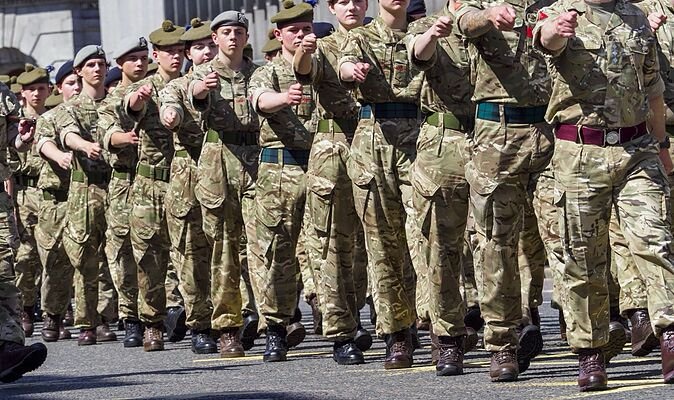
People in Britain could be called up to serve in the military if a Third World War breaks out, and experts have explained which groups of people are most likely to be called upon first. Some people aged up to 65 could be among those required to return to military service, following changes to the age limit for certain reservists.
The warning has raised questions about what would happen if Britain became involved in a major international war and needed more people to defend the country.
Military experts believe the Government would have a plan for dealing with such an emergency. However, this does not mean Britain is preparing to introduce compulsory military service or that a Third World War is certain to happen.
The concerns come as tensions between countries continue to raise fears about the possibility of a much bigger conflict. Experts have been looking at Britain’s military history to explain how the Government might respond if the country suddenly needed thousands of additional soldiers.
During the Second World War, Britain introduced compulsory military service because it needed more people to support the armed forces.
In May 1939, several months before Britain officially entered the war against Germany, the Government approved a law requiring certain young men to complete military training.
At that time, the rules mainly affected single men aged between 20 and 22. They were required to undergo six months of military training to prepare them for the possibility of war.
According to information published by the UK Parliament, around 240,000 men registered for military service under the scheme.
However, the situation changed when Britain entered the Second World War in September 1939.
As the fighting continued, the Government realised that more people were needed. The age range was expanded, and men between 18 and 41 became eligible for compulsory military service.
The rules continued to change as the war became more serious and the country faced increasing pressure.
By 1941, the Government had introduced further requirements affecting men and women. Certain women aged between 20 and 30, including childless widows, were required to undertake national service.
Men in older age groups were also expected to contribute to the country’s war effort.
By 1942, some men aged between 52 and 60 were required to take part in different forms of national service. However, this did not necessarily mean they were all being sent to fight on the front line.
Some were assigned duties that helped keep the country running, while others supported military operations in different ways.
Experts believe Britain’s experience during the Second World War shows how quickly the rules could change if the country faced another major military emergency.
More recently, changes affecting the Army Reserve have brought attention to older people who could potentially be required to serve.
The upper age limit for certain reservists has been extended from 55 to 65, meaning some former military personnel could remain available for recall for longer than before.
This has led to questions about whether people in their fifties and sixties could find themselves returning to military duties if Britain became involved in another major war.
However, the change does not mean that every British citizen aged 65 or younger could automatically be forced to join the Army.
The rules concern particular categories of reservists and former military personnel, rather than the general population.
Military experts believe these trained individuals would be among the first groups the Government would consider calling upon during a serious national emergency.
Lord Dannatt, who previously served as the head of the British Army, has explained how he believes the Government would respond if Britain needed to increase the number of people serving in its armed forces.
According to him, the first step would be to use soldiers who are already serving in the military, followed by members of the Army Reserve.
After that, former regular military personnel who still have reserve obligations could be recalled to active service.
These individuals would already have military experience and training, making them better prepared to support the armed forces than people who have never served.
Lord Dannatt believes the Government would only consider introducing compulsory military service for the wider public if these measures were not enough.
If that happened, he suggested that younger adults aged between 18 and 24 could be among the first civilians considered for conscription.
This means that, although older former soldiers could be recalled, young people with no previous military experience might also face compulsory service if the Government decided that more recruits were urgently needed.
Lord Dannatt explained that Britain would not necessarily begin by forcing ordinary civilians into military service.
Instead, the Government would likely try to make the best use of people who already understand military procedures, weapons training and the demands of serving in the armed forces.
He also pointed out that recalling large numbers of reservists would not be a simple task.
The military would need to organise equipment, accommodation, training, transport and other important arrangements before these people could be sent to carry out their duties.
This would require significant planning, especially if Britain suddenly found itself involved in a conflict that demanded a much larger military force.
The possibility of people aged up to 65 being recalled has attracted attention because many people in this age group may have already retired from military service and moved on to civilian jobs or family life.
Some could have spent many years away from the armed forces, meaning they might need additional training before returning to active duties.
Their roles would also depend on their experience, health, fitness and the particular needs of the military.
Not everyone recalled would necessarily be expected to fight on the front line. Some could be assigned to support operations, logistics, administration or other important military responsibilities.
For younger adults, the situation would be different because many would have no previous military experience.
If compulsory service were introduced, the Government would need to establish rules explaining who would be eligible, how people would be selected and what exemptions might apply.
There would also be questions about people with medical conditions, family responsibilities or jobs considered essential to the country.
Any move to introduce widespread conscription would be a major decision with serious consequences for millions of families across Britain.
It would also require the Government to establish the necessary legal arrangements, rather than simply ordering everyone within a certain age group to report for duty.
For now, Britain does not have compulsory military service, and the Government has not announced plans to introduce a general military draft.
The warnings from military experts are based on what they believe could happen if the country faced an extreme situation requiring a much larger fighting force.
Nevertheless, the discussion has brought renewed attention to how Britain might defend itself during a major international conflict.
The experience of the Second World War shows that military recruitment rules can change during a national emergency, especially when the Government believes more people are needed to protect the country.
For the time being, ordinary British citizens are not being ordered to join the armed forces.
But the comments from Lord Dannatt suggest that if Britain ever faced a major war, trained reservists and former soldiers could be called upon first, with younger civilians potentially considered later if the situation became serious enough.
The possibility of older former military personnel being recalled, alongside the prospect of younger people being required to serve, has raised important questions about how prepared Britain would be if another major war were to break out.