Asylum Seeker Who Came to Britain in 2019 Says He Cannot Return Home as He Reveals What He Wants the UK Government to Do Instead of Making Him Pay £10,000

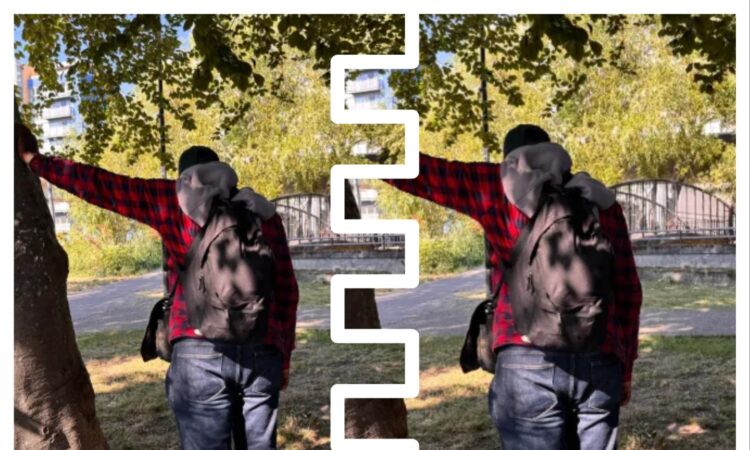
A 38-year-old Nigerian man seeking asylum in the UK has opened up about his difficult life in Britain, revealing that he is homeless despite having a part-time job. He is also worried about a new government proposal that could require some asylum seekers to repay thousands of pounds for the accommodation and financial support they received while waiting for their asylum applications to be decided.
The man, identified as Frank, explained that he sometimes goes to work carrying all his belongings in a bag because he has nowhere permanent to stay.
“I’m going for a night shift now carrying my belongings in this bag,” he said.
According to Frank, some of his colleagues may already suspect that he is homeless because they regularly see him carrying his belongings. However, he believes they cannot be completely sure that he is sleeping on the streets.
Frank arrived in the United Kingdom from Nigeria in 2019 using a visitor visa. After arriving, he decided to enrol in a course that could have allowed him to switch to a student visa. Unfortunately, he was unable to continue with his plans because he could not afford the tuition fees.
He is now seeking asylum in Britain, saying he is afraid of returning to Nigeria because of insecurity and kidnapping incidents in his home area near Lagos.
Before leaving Nigeria, Frank worked as a schoolteacher. However, he said the money he earned was not enough to meet his needs. He had hoped that coming to Britain would give him an opportunity to build a better future, but his life has turned out to be much more difficult than he expected.
Although he currently works part-time under a restricted arrangement while waiting for a decision on his asylum application, he continues to face serious financial difficulties.
His situation is made even more challenging by a leg injury he suffered in 2024.
Frank explained that he fractured his leg while jumping over a fence because he was trying to escape an immigration check. He said he feared that the check might have been an attempt to arrest and detain him.
The injury has continued to affect him, and he still walks with a limp.
He worries that returning to Nigeria with his current physical condition would make life even harder for him.
According to Frank, people living with disabilities in some parts of Nigeria often struggle to find jobs and support themselves. He fears that his injury could leave him unable to earn enough money and possibly force him to depend on others for survival.
“If I go back home, I would be classified as someone who is disabled, likely, because I won’t be at my normal capacity,” he explained.
He added that disability can sometimes mean living in poverty in his home country, with some people ending up begging on the streets.
However, while Frank is worried about what could happen if he returns to Nigeria, he is also concerned about what the British government is planning for asylum seekers.
Under proposals described in the government’s Immigration and Asylum Bill, some people who receive asylum support could be required to repay money to the government.
The amount has been estimated at around £10,000 per person, although the details of how the proposed system would operate remain important.
The money would go towards covering accommodation and basic living support provided while asylum applications were being processed.
The Home Office has explained that the proposed payments would apply to adults who have sufficient financial resources. Repayments would be collected monthly once their income or available funds passed a certain threshold.
Under the proposal, affected migrants would also be expected to complete their repayments before becoming eligible for permanent settlement in Britain.
Home Secretary Shabana Mahmood defended the approach, arguing that receiving asylum support comes with responsibilities as well as rights.
But Frank believes the proposed arrangement could create another serious problem for people who are already struggling financially.
He explained that living in Britain is expensive, especially for someone who has no permanent accommodation and only earns a small amount of money.
According to him, the situation might be manageable if the government allows people to repay gradually according to what they can afford.
However, he fears that strict repayment requirements could leave some migrants feeling trapped.
Frank said that if the payments were not flexible, people might feel as though they were tied to the government financially and unable to move forward freely with their lives.
He also warned that the proposed debt could encourage some migrants to avoid the authorities rather than cooperate with them.
Frank believes the government should consider each person’s financial situation before deciding how much they should repay.
He suggested that people earning very little should not be expected to make the same payments as those earning much more.
He also said he would be willing to give something back to Britain in other ways, including volunteering, mentoring young people or carrying out community service.
“If you tell me I have to pay the government £10,000, I’ll be like – where do I get that from?” he asked.
He explained that helping people in the community would be something he could happily do, rather than being placed under pressure to find money he does not have.
Another man who has spoken against the proposal is Shams Moussa, a 48-year-old former asylum seeker who now has permanent residency in Britain.
Moussa described the asylum process as one of the most stressful experiences a person can go through.
He compared waiting for an asylum decision to waiting for the results of a serious medical test.
According to him, asylum seekers spend months or even years wondering whether they will be allowed to remain in Britain or be told to return to the country they fled.
He explained that receiving permission to stay can bring enormous relief, while being refused can destroy a person’s hopes for the future.
Moussa now has the right to live, work and study in Britain without the restrictions he previously faced.
Because he already has permanent residency, the proposed repayment policy would not affect him personally.
However, he is worried about other asylum seekers he supports through his community work.
He believes many of them would struggle to repay thousands of pounds, especially after spending a long time living on very limited financial support.
Moussa pointed out that some asylum seekers receive around £50 a week to cover basic needs, depending on their accommodation and circumstances.
He said this money often has to cover essential items, including food, toiletries and other personal necessities.
For women, he explained, the cost of sanitary products and other basic items can make an already difficult financial situation even worse.
He warned that putting additional financial pressure on vulnerable people could push some towards unsafe or exploitative work simply to survive.
Moussa also questioned why people who have spent years waiting for asylum decisions should be expected to repay such large amounts when many have not been allowed to work normally during that period.
He argued that most asylum seekers would rather have their applications processed quickly so they could find employment, pay taxes and rebuild their lives.
His concerns have been supported by several organisations that work with refugees and migrants.
Concepta Cassar, head of policy and communications at Migrants’ Rights Network, criticised the proposal, describing it as a punishment that could leave already vulnerable people facing more debt.
She argued that the government should not place additional financial burdens on people who have already experienced serious difficulties.
According to Cassar, the proposed repayments could make it harder for refugees to establish stable lives after receiving permission to remain in Britain.
She also questioned whether the money collected would make a meaningful difference to public finances.
Instead, she suggested that the government should consider other ways of raising revenue, including greater taxation of extreme wealth.
Amina Khanom, director of Reset Communities for Refugees, also raised concerns about the government’s plans.
She argued that Britain should focus on helping refugees become financially independent rather than placing them under additional pressure.
According to Khanom, faster asylum decisions would allow more people to start working sooner and reduce the amount of time they depend on government support.
She also called for better systems to help refugees settle into communities and safer routes for people seeking protection.
Khanom explained that many refugees already make important contributions to Britain through employment, paying taxes and working in essential services.
She believes government policies should encourage those contributions rather than make it harder for people to become financially stable.
Figures from the UK Home Office also show that many refugees continue to earn relatively low wages even several years after receiving permission to remain.
According to the figures cited, median annual earnings among employed refugees reached around £13,000 after eight years.
Those working full-time earned around £23,000 a year, while people in part-time or irregular employment earned approximately £10,000 to £11,000.
These amounts are considerably lower than the typical annual salary across the UK, which was cited at around £35,000.
Campaigners argue that these figures show why a £10,000 repayment requirement could be difficult for many refugees to manage.
For someone earning only £10,000 or £11,000 a year, the proposed debt could represent almost an entire year’s income before living expenses.
Moussa believes the government should concentrate on reducing the time asylum seekers spend waiting for decisions.
He said many people do not want to spend their days sitting in hotels without working or making progress in their lives.
Instead, they want the opportunity to earn money, support themselves and contribute to the communities where they live.
He argued that seeking protection is a basic human right and that people should not be financially punished simply because they needed somewhere safe to live.
Meanwhile, the government maintains that people who have sufficient resources should contribute towards the cost of the support they receive.
The debate comes at a time when immigration and asylum spending remain major political issues in Britain.
Supporters of stricter asylum policies argue that taxpayers should not have to cover every expense when some people receiving support may eventually have the means to contribute.
However, refugee organisations believe any repayment system must take account of people’s actual earnings, housing costs and personal circumstances.
For Frank, the issue is much more personal than a disagreement over government spending.
He is still waiting to find out whether he will be allowed to remain in Britain, while trying to manage his injury, earn a living and find somewhere permanent to sleep.
He continues to fear returning to Nigeria because of the kidnapping incidents and insecurity he says have affected his home area.
As he prepared to leave for another night shift with his belongings packed into a bag, Frank explained that he wanted people in Britain to understand that asylum seekers have different reasons for coming to the country.
He said it was unfair to assume that everyone seeking asylum had come to Britain to claim benefits, commit crimes or cause problems.
According to him, some people are genuinely afraid of what could happen if they return to their home countries.
Frank hopes the government will consider the circumstances of people like him before introducing any repayment requirements.
For now, he remains homeless, continues to work when he can and is still waiting for a decision that could determine whether he gets the chance to build a more secure future in Britain.