Cost of Fixing Up Places Where Asylum Seekers Will Live Revealed in Treasury Documents

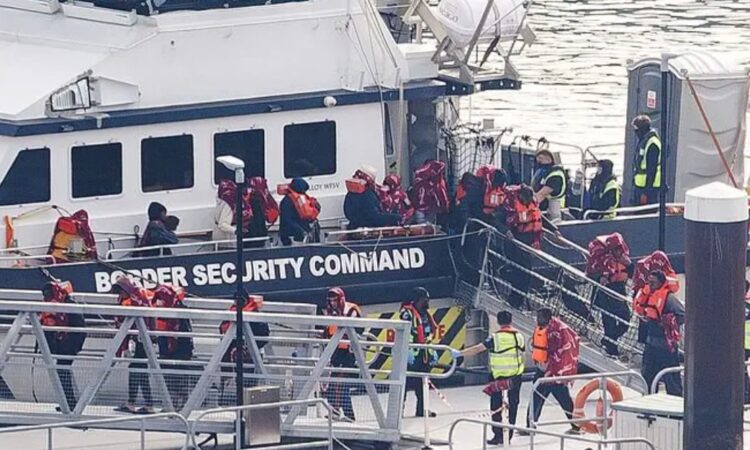
The Labour Government is planning to spend £150 million next year on turning former military bases into accommodation for asylum seekers, according to Treasury documents.
The plans have caused anger and concern in some communities, especially in areas where former military sites could be used to house large numbers of migrants.
The Home Office is considering three former military locations, including MoD Bicester, RAF Barnham and RAF Linton-on-Ouse. These sites could become temporary homes for asylum seekers while the Government works to reduce the number of people staying in hotels.
The Government has been facing growing pressure over the cost of providing accommodation for asylum seekers. Thousands of people are still waiting for decisions on their asylum applications, and finding suitable places for them to stay has become a major challenge.
According to Treasury documents, £150 million has been set aside for the 2027–28 financial year to develop additional large accommodation sites. The money is intended to help the Government move asylum seekers out of hotels and into other types of housing.
The documents explain that the investment will support the Government’s promise to end the use of hotels for asylum accommodation.
However, the plans have attracted criticism from opposition politicians who believe the Government should focus more on preventing illegal entry into Britain and removing people who have no legal right to remain.
Shadow Home Secretary Chris Philp criticised the proposed spending, arguing that it shows the Government intends to continue providing accommodation for people who enter the country illegally rather than removing them.
He also promoted the Conservative Party’s immigration proposals, including leaving the European Convention on Human Rights (ECHR), which he argued would make it easier to deport people who enter Britain illegally.
The Government, meanwhile, faces the difficult task of finding enough accommodation for people seeking asylum while trying to reduce public spending on hotels.
For residents living near the proposed military sites, the plans have raised questions about how many people could be housed there, how local services would cope and what impact the changes might have on their communities.
The proposed £150 million investment suggests that the Government is preparing to rely more heavily on large accommodation centres as part of its longer-term approach to housing asylum seekers.
Although the money has been allocated for additional sites, this does not necessarily mean that every proposed military location will be used. Further decisions may still be needed before people can move into the buildings.
As the Government continues searching for alternatives to asylum hotels, the debate over where asylum seekers should live, how much taxpayers should spend and how Britain’s immigration system should operate is likely to continue.