Eyewitness Exposes How Groups of Illegal Boat Migrants Are Secretly Making Their Way to the UK as Disturbing Details Emerge about Their Journey

A young boy wearing yellow boots was seen happily jumping in puddles outside a large migrant camp in France, unaware of the dangerous journey that could soon be ahead of him.
The three-year-old was among many children and families staying at a crowded migrant camp near Dunkirk, where thousands of people are waiting for an opportunity to cross the English Channel and reach Britain.
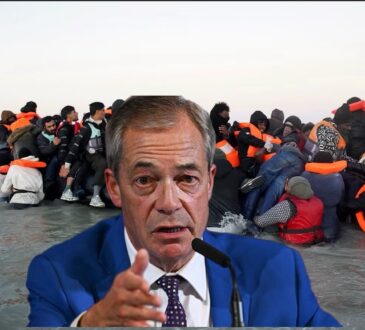
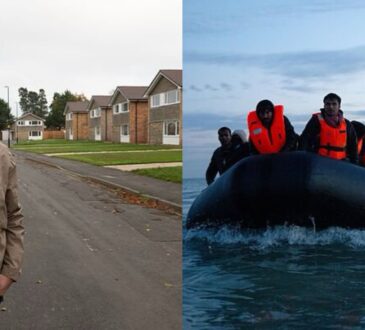
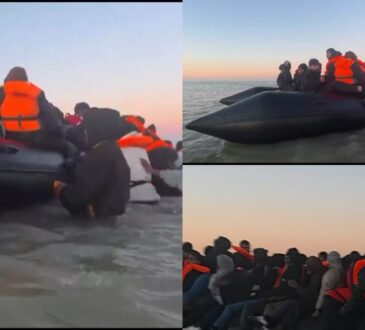
According to the Daily Mail, the boy was preparing to travel with a group of migrants hoping to reach the UK by small boat. The journey is particularly dangerous for young children, especially when boats are overcrowded or the weather becomes rough.
The newspaper reported that growing numbers of children, including babies, are being taken across the Channel. Some are travelling with their parents, while others are making the journey without a parent or guardian.
Figures provided to the Daily Mail by Kent County Council showed that at least 2,182 unaccompanied migrant children had arrived in Britain since January 2026. This means more than 200 children a month have reportedly made the journey without their parents or guardians.
Although some children were brought into Britain through other routes, including lorries travelling on ferries, most reportedly crossed the Channel in small boats.
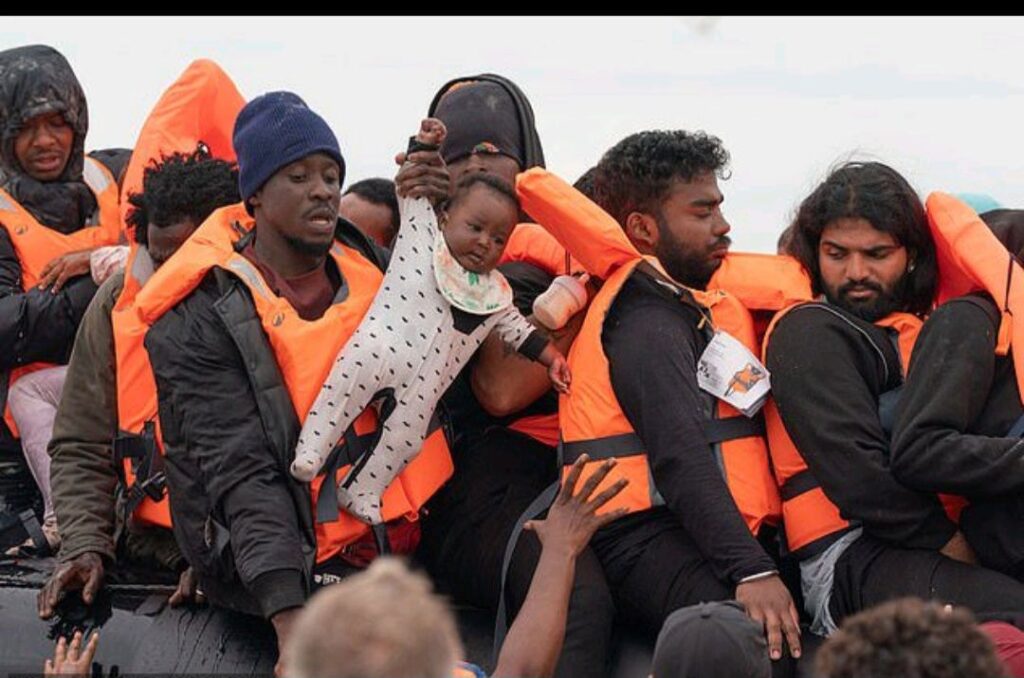
The growing number of children arriving alone has raised concerns about their safety, the activities of people-smuggling gangs and the cost of providing accommodation and care after they reach Britain.
According to Home Office figures quoted in the report, supporting an unaccompanied migrant child costs around £143 per night, which is approximately £52,000 a year.
The newspaper estimated that caring for a three-year-old child until the age of 18 could cost taxpayers more than £780,000 if the same daily spending continued throughout that period.
However, the actual amount would depend on the child’s circumstances, the type of accommodation provided and how support costs change over time.
On Thursday morning, October 29, journalists witnessed another group of migrants arriving at Dover after crossing from France.
Among those arriving was a baby wearing white socks, who was carried by a Border Force officer after reaching the port.
The report said no parent was immediately visible alongside the baby, although it did not establish whether the child had travelled without a parent.
The situation has brought renewed attention to the difficult conditions faced by migrant children waiting in northern France.
At the Dunkirk camp, families are living in hundreds of tents, with many struggling to stay warm as temperatures fall.
Some residents light fires outside their tents to protect themselves from the cold. Lifejackets can also be seen hanging from trees around the camp, ready for people who may be called to leave for the coast at short notice.
The Daily Mail described the living conditions as extremely poor, with children playing in muddy areas while their families waited for a chance to leave.
During a visit to the camp, reporters saw several young children playing football, running around and spending time outside their tents.
Some appeared to be without their parents, although the reporters could not confirm whether they were travelling alone.
The journalists first noticed the three-year-old boy in yellow boots at around 11am on Wednesday.
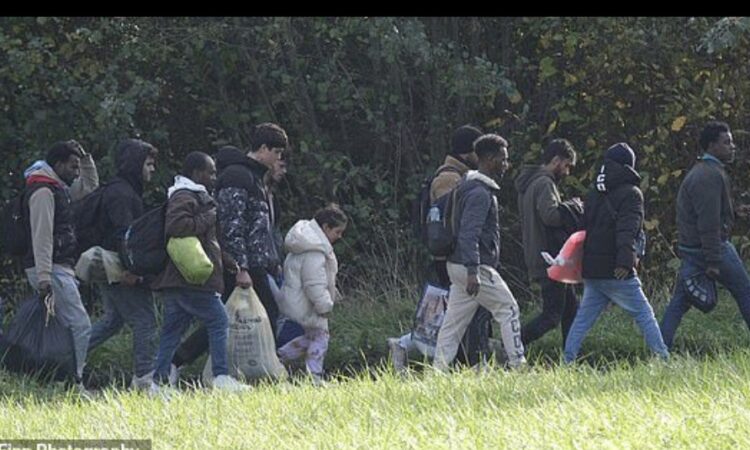
About an hour later, they reportedly watched around 400 migrants leave the camp in three separate groups.
The boy was among those who left.
According to the report, the group travelled on a public bus from the Dunkirk camp, known as Loon Plage, to the nearby village of Gravelines.
From there, they walked towards the railway station, where the young boy was later seen being carried on a man’s shoulders.
The three groups eventually gathered at the station, where large numbers of people waited for a train heading towards Calais.
The platform became so crowded that some passengers had to stand or sit close together, while others waited near the edges.
The migrants eventually boarded the train before continuing their journey towards Boulogne, an area of northern France with beaches used by people attempting to cross the Channel.
The reporters said they followed the group throughout the day to understand how migrants were being moved towards the coast.
During their journey, they noticed several men who appeared to be involved in organising the movement of migrants.
Some reportedly covered their faces when they realised journalists were watching them, while others made angry gestures towards the reporters.
The newspaper suggested that these men were connected to people-smuggling gangs operating along the French coast, although their identities and roles were not independently confirmed in the report.
People-smuggling gangs have been accused of making large amounts of money by charging migrants for places on small boats heading to Britain.
According to the Daily Mail, some gangs were charging around £1,500 for each child travelling across the Channel.
The report claimed that prices were increasing because more people were trying to secure places on boats after several weeks of poor weather.
For almost three weeks, strong winds and rough seas had made it difficult for small boats to cross the Channel.
As weather conditions improved, more migrants began preparing to make the journey.
The newspaper estimated that around 4,000 people were waiting at the Dunkirk camp, although one Afghan migrant interviewed by reporters believed the number could be closer to 5,000.
The 24-year-old man said demand for places on boats was so high that migrants were finding it difficult to negotiate lower prices with smugglers.
He explained that even families travelling with babies and young children were expected to pay the amounts demanded by the gangs.
The situation has also raised questions about what happens to children who arrive in Britain without their parents.
When an unaccompanied child reaches the UK, the authorities must assess their circumstances and arrange appropriate care.
In Kent, children arriving through Dover may initially be taken to a reception facility where social workers assess their needs and make arrangements for their safety.
Some are later placed with foster families or in other suitable accommodation, depending on their age and individual circumstances.
Local councils are responsible for ensuring that children in their care receive appropriate support, including accommodation, education and access to essential services.
The report also recalled an earlier case involving two young brothers, aged six and nine, who arrived in Britain after being separated from their parents during a difficult boat departure from France.
Their parents were reportedly left behind when the boat departed, while the children continued across the Channel.
After arriving in Britain, the boys were placed in foster care in Kent.
Their parents later sought permission to join them in the UK, leading to a legal dispute involving the Home Office.
The government argued that allowing reunification in Britain under those circumstances could encourage some families to send children ahead in the hope of joining them later.
After months of legal proceedings, the two boys were eventually reunited with their parents in Calais.
The case highlighted the difficult decisions authorities face when dealing with children who become separated from their families during dangerous migration journeys.
Meanwhile, the latest scenes in northern France have increased concerns about the risks facing children who attempt to cross the Channel.
Small boats used for these journeys are often overcrowded, and passengers can face serious danger if the weather suddenly changes or the vessels experience problems at sea.
For babies and young children, the risks can be even greater because they depend entirely on adults for their safety.
The growing number of unaccompanied children also places additional pressure on local authorities responsible for providing accommodation and long-term care.
The Daily Mail report suggested that more families and children could attempt the crossing as weather conditions improve.
However, it remains unclear how many of those currently staying at the Dunkirk camp will successfully reach Britain.
For the young boy in yellow boots, the journalists did not confirm whether he eventually boarded a boat or arrived in the UK.
His story reflects the uncertain situation facing many migrant children in northern France, where families continue to wait for an opportunity to reach Britain despite the dangers involved.
As more people prepare to cross the Channel, concerns remain about the safety of children, the influence of smuggling gangs and the challenges facing British authorities when vulnerable young migrants arrive without their parents.