Expert Warns of Growing Danger From Putin as Shocking New Survey Reveals What Many Young Brits Really Think About Conscription

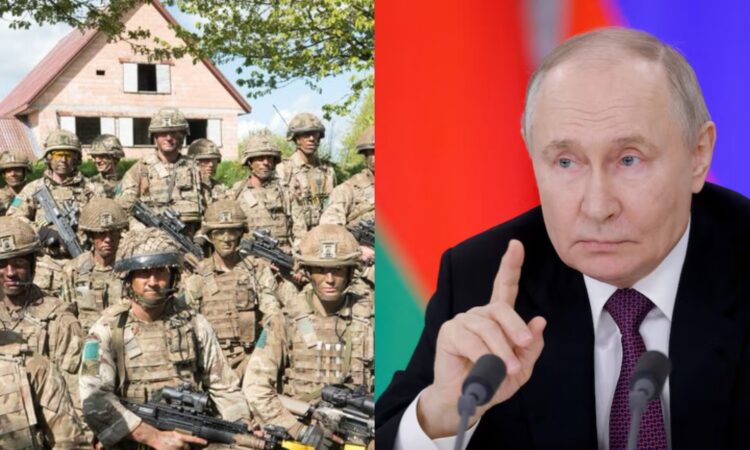
Britain is facing growing concerns about its ability to deal with a major war, as fears about Russia and the future of the country’s defence continue to increase.
People have been warned to prepare for emergencies and keep important supplies at home, while questions are also being raised about whether Britain has enough soldiers, equipment and money to deal with a serious threat.
The situation has led to a wider debate about whether the country is prepared for a major conflict and, perhaps more importantly, whether enough people would be willing to defend Britain if they were ever called upon to do so.
A recent survey found that 51 per cent of people under the age of 30 said they would refuse to fight if Britain went to war. That figure has caused concern among those who believe the country could struggle to find enough people willing to serve if a serious conflict ever reached British soil.
The issue is particularly worrying because Russia remains at war with Ukraine and continues to be viewed by many Western countries as a major security threat.
Britain has a professional armed forces, with thousands of men and women already serving in the Army, Royal Navy and Royal Air Force. These servicemen and women continue to train and prepare for a range of possible threats.
Those who choose to serve deserve respect because they are prepared to put themselves in dangerous situations to protect the country and its people.
However, the debate goes beyond the number of people currently serving in the military. There are concerns about whether Britain could quickly increase its forces if a much larger conflict happened.
The Government has also faced pressure over defence spending. Critics argue that Britain needs to invest more in its armed forces, especially at a time when security concerns across Europe have increased.
Russia spends a much larger share of its economy on defence, while Britain has been trying to balance military spending with pressure on other areas of government spending.
The comparison has led to questions about whether Britain is doing enough to prepare for the future.
Some people believe the biggest problem is not simply a lack of money or equipment, but a change in attitudes among younger generations.
For many young people, war can feel like something that happens somewhere else. They have grown up during a period when Britain has not experienced a major war on its own territory.
As a result, the idea of being asked to fight for the country may seem completely different from how previous generations viewed it.
There are also questions about national identity. Britain is a diverse country, and millions of people living here were born outside the UK.
However, being born overseas does not automatically mean someone would refuse to defend Britain. The country has a long history of people from different backgrounds serving in its armed forces.
The Gurkhas are one of the best-known examples. Soldiers from Nepal have served with the British Army for generations and have earned a strong reputation for courage and loyalty.
This shows that where someone was born does not necessarily determine whether they are willing to defend Britain.
Another major issue is the influence of social media.
Young people spend a huge amount of time online, where they are constantly exposed to political arguments, criticism of the country and stories about problems in society.
Social media algorithms are designed to keep people watching and engaging with content. If someone repeatedly watches angry or negative material, they may continue to receive more of the same type of content.
Over time, this can affect the way people view the country, politics and other groups of people.
Some critics believe this has helped create a growing sense of frustration and distrust among parts of the younger population.
A person may start with a genuine concern about the cost of living, housing, immigration, public services or another problem. But after repeatedly seeing extreme messages online, that concern can become much stronger.
The result can be a generation that feels increasingly disconnected from the country and its institutions.
The question now is what would happen if Britain faced a serious military threat.
Would enough people be prepared to step forward and serve? Would young people accept the possibility of being called up? And would the country have enough trained personnel and equipment to respond quickly?
These are difficult questions, but they are becoming harder to ignore as tensions between Russia and Western countries remain high.
Britain cannot simply assume that a major war will never happen. At the same time, there is no guarantee that a future conflict would involve British troops fighting on British soil.
The purpose of preparing for a potential conflict is not necessarily to suggest that war is certain. It is about making sure the country is ready if the worst happens.
That preparation includes having a strong military, enough equipment, secure supplies and properly trained personnel.
It also means ensuring that people understand the importance of protecting the country and supporting those who serve.
For some people, the fact that more than half of young people in the survey said they would refuse to fight is a warning sign.
They believe Britain needs to think carefully about how it can rebuild a stronger sense of national responsibility among younger generations.
Others would argue that refusing to fight does not necessarily mean someone does not care about Britain. People can love their country while still believing that war should be avoided.
But whatever view people take, the survey has started an important conversation about Britain’s future.
A strong military is only one part of national security. A country also needs people who understand the risks it faces and are prepared to support the country during difficult times.
The challenge for Britain is therefore not only about spending more money on defence. It is also about rebuilding public confidence, strengthening national resilience and making sure the next generation understands what is at stake.
If a serious threat ever comes to Britain, the country will need to be ready. The question is whether it is doing enough now, before it is too late.