Boat Migrants Heading to the UK Spark Outrage After One of Them Was Caught on Camera Doing Something Shocking That Has Drawn Widespread Attention

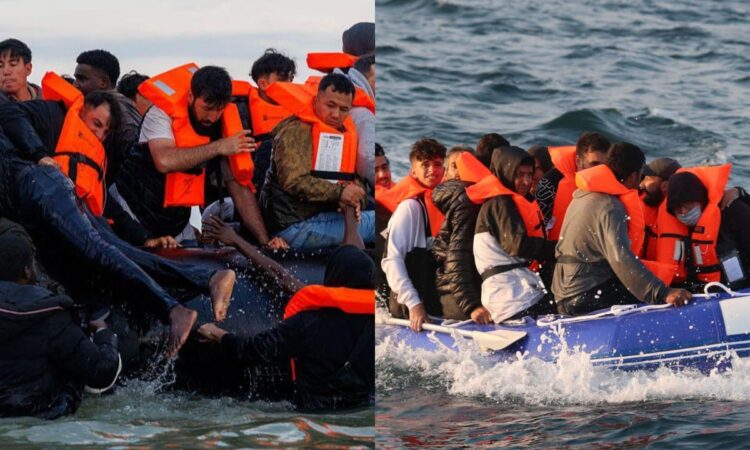
A photograph showing a migrant making an offensive hand gesture while travelling across the English Channel to Britain has sparked fresh criticism of the UK’s immigration system.
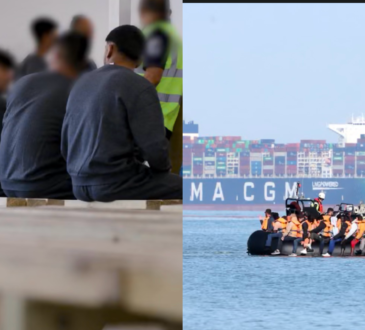
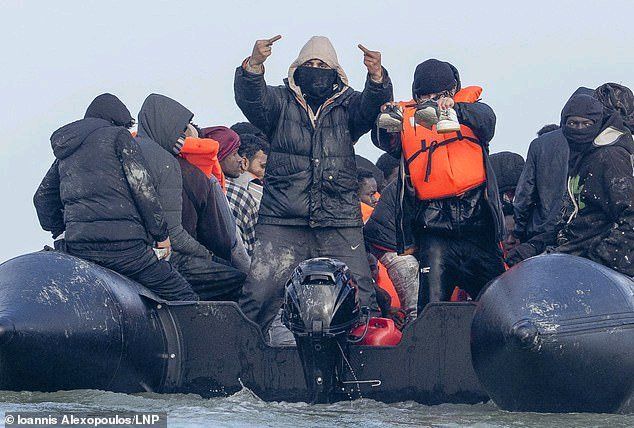
The picture, published by the Daily Mail, shows a small boat carrying migrants towards Britain. One of the people on board, whose face was partly covered by a mask, was seen raising both middle fingers towards the camera.
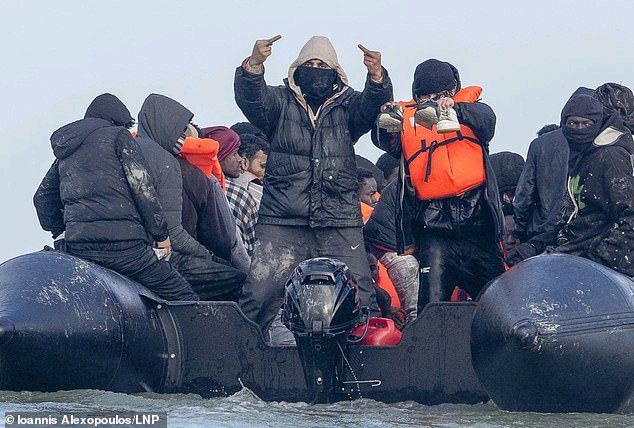
The photograph has attracted attention because of the ongoing debate about migrants crossing the Channel and how the British government handles people who arrive without permission.
Daniel Hannan, director of the Institute of Economic Affairs, criticised the incident and said it showed how badly Britain’s immigration system was being managed.
Writing in the Daily Mail, Hannan argued that the government had created a system that was too easy to take advantage of. He questioned why people who enter the country illegally should be able to receive certain legal protections.
His comments came after reports that migrant workers without permission to work in Britain could take legal action against employers who treated them unfairly.
Under employment and equality laws, workers may still have certain protections against discrimination and harassment, even if they do not have the legal right to work in the country.
Hannan strongly disagreed with this approach. He argued that people who follow immigration rules and those who break them should not always receive the same treatment.
He referred to a case in Cumbria involving a Malaysian migrant who was awarded more than £5,000 by an employment tribunal in September, despite not having permission to work in the UK.
The case was used as an example of how some employment rights can still apply to people who are working without the necessary immigration permission.
Hannan questioned whether this was fair to British citizens who pay taxes, obey the law and follow the rules.
He said citizenship should come with certain rights and responsibilities and argued that the government should make a clearer difference between people who have permission to live in Britain and those who do not.
He also criticised the way migrants arriving by small boats are handled.
According to Hannan, people who attempt to enter Britain through the Channel often avoid the normal immigration process, while those travelling by air are generally required to have the correct documents before boarding.
He argued that this difference had created a serious problem because migrants who arrive by sea may be rescued and brought to Britain, where they can apply for asylum.
However, rescuing people in danger at sea is a legal responsibility, and arriving without permission does not automatically prevent someone from seeking asylum.
Hannan said the current arrangements were not working and called for major changes to the way Britain controls its borders.
He also criticised lawyers and organisations that help migrants with immigration cases, arguing that legal challenges can make it more difficult for the government to remove people who have no right to remain in the country.
He claimed that judges and international agreements had made it harder for elected politicians to take stronger action against illegal immigration.
In his view, the government should consider withdrawing from international agreements that place limits on how Britain handles asylum seekers and deportations.
These include the European Convention on Human Rights and the United Nations Refugee Convention.
Hannan argued that leaving these agreements would give Britain greater control over who enters the country and who is allowed to remain.
He also suggested that the government should completely change the asylum system.
Instead of allowing people to claim refugee protection under the current rules, he proposed giving the Home Secretary the power to decide how many people Britain should accept each year.
He suggested that the country could initially accept around 5,000 people annually, although Parliament would be able to increase or reduce that number.
Under his proposal, the government would decide who should be allowed to enter based on the country’s needs and the circumstances of individual applicants.
He acknowledged that such a system would be difficult for people who were not selected, but argued that the current arrangements were also causing problems for migrants and British residents.
Hannan also said that political parties were under growing pressure to deal with small boat crossings.
He pointed out that both the Conservatives and Reform UK had supported major changes to immigration laws and international agreements.
Although some Labour MPs support allowing migrants to settle permanently in Britain, he argued that politicians across the main parties also want to reduce dangerous Channel crossings.
He predicted that Britain would eventually make much bigger changes to its immigration system, regardless of which party was in government.
Returning to the photograph of the migrant making an offensive gesture, Hannan said the image represented what he believed was wrong with the country’s approach to immigration.
He argued that Britain needed a system that encouraged people to respect its laws and made citizenship something that people valued.
His comments reflect his personal views on immigration and asylum policy. They do not establish that the behaviour of the person in the photograph represents other migrants arriving in Britain.
The debate comes as the government continues to face questions about how to stop dangerous Channel crossings, deal with people arriving without permission and maintain a fair immigration system.
For now, the photograph has added to the wider discussion about Britain’s borders, the treatment of migrants and whether the country’s existing immigration rules need to change.