
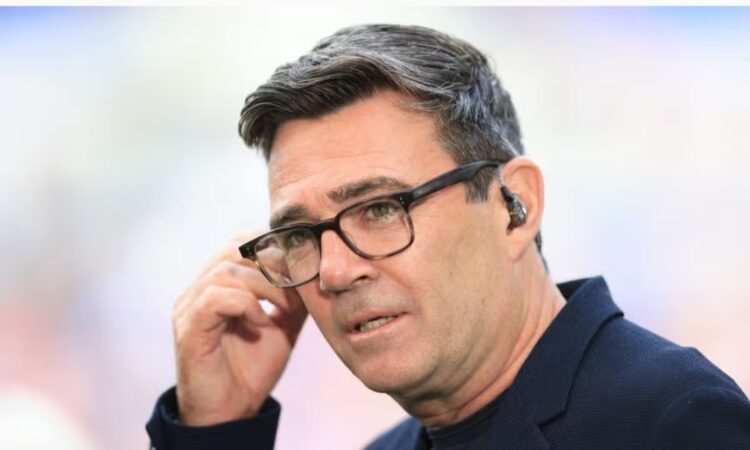
Andy Burnham has backed controversial new asylum reforms as the Government pushes ahead with major changes to the way Britain deals with asylum seekers and illegal Channel crossings.
Burnham, the newly elected MP for Makerfield who is expected to become Prime Minister next week, voted in favour of the Government’s Immigration and Asylum Bill. The proposals are designed to reduce the number of people crossing the English Channel in small boats while encouraging people seeking protection in Britain to use safe and legal routes instead.
One of the biggest changes involves Article 8 of the European Convention on Human Rights, which protects a person’s right to private and family life. The Government wants tighter rules around how Article 8 can be used in immigration cases, with the Home Office hoping the changes will reduce the number of successful asylum appeals.
The plans would also introduce a new system for dealing with immigration appeals. Independent adjudicators would replace judges in an attempt to increase the number of cases that can be heard and speed up decisions.
The Immigration and Asylum Bill passed its second reading in the House of Commons by 264 votes to 90, giving the Government a majority of 174. However, the plans caused disagreement inside Labour, with 14 Labour MPs rebelling against the Government.
Home Secretary Shabana Mahmood defended the changes, saying Britain should continue providing protection to people escaping war and persecution. However, she warned that public confidence in the asylum system was weakening and said the Government needed to regain control and make the system fairer.
She argued that the system should be fair not only to genuine refugees but also to British communities dealing with the pressure created by migration and asylum accommodation.
Mahmood also claimed the Government had arrested 55 per cent more people smugglers than the previous Conservative government. She said asylum decisions had reached their highest level in 24 years, while removals were at their highest level in almost a decade. According to her, almost 10,000 foreign criminals had also been deported under Labour.
The Home Secretary said progress had also been made in reducing the use of asylum hotels. She told MPs that 20 per cent of the hotels had closed and that the total number of asylum seekers living in hotels had fallen by 29 per cent.
The Government says it eventually wants Britain to rely more heavily on safe and legal routes. Under that approach, people who need protection could be brought to the UK through controlled schemes rather than making dangerous journeys across the Channel.
Mahmood said genuine asylum claims should be decided quickly so that refugees are not left waiting for long periods. At the same time, she said people who have no legal right to remain in Britain should be removed more quickly.
However, several Labour MPs raised serious concerns about the reforms.
Labour MP Nadia Whittome argued there was little evidence that the Bill would solve the biggest problems facing the asylum system. She said experts had warned that some of the proposals could create a system that was unfair and difficult to operate.
Tony Vaughan also questioned the Government’s approach. He said around 45 per cent of Home Office asylum refusals were later overturned on appeal, arguing that poor initial decision-making was itself contributing to the large number of appeals.
Stella Creasy raised concerns about plans that could require some refugees to have their status reviewed every 30 months. She warned that repeatedly checking a refugee’s status over many years could become expensive and complicated.
The Conservatives also opposed the Bill, but for a very different reason. Shadow Home Secretary Chris Philp argued that the Government’s proposals did not go far enough.
Philp said Britain would struggle to fully control its borders while remaining part of the European Convention on Human Rights and other international agreements. He also called for tougher restrictions on people who enter Britain illegally and later claim asylum.
The Conservatives attempted to change the Bill during its second reading, but their amendment was defeated by 358 votes to 97.
Despite opposition coming from both sides of the political debate, Burnham backed the Government’s proposals, putting his support behind one of the most controversial attempts to change Britain’s asylum system and tackle illegal Channel crossings.