Asylum Seeker Isolated After Testing Positive for Life-Threatening Disease at UK Hotel

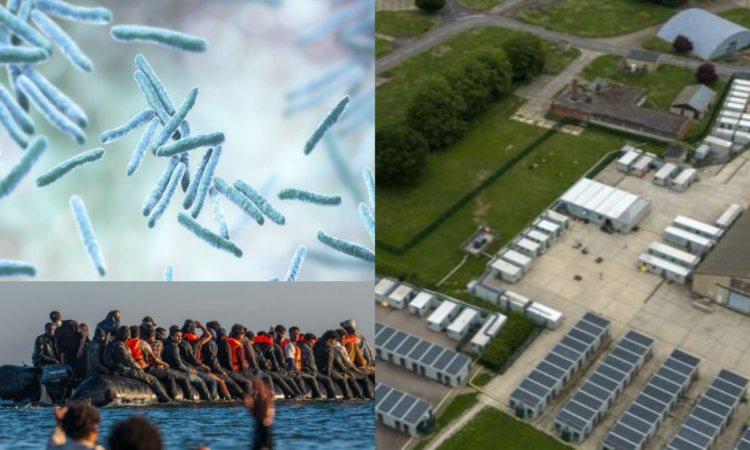
The discovery of a highly infectious case of tuberculosis (TB) at an asylum hotel has raised concerns about the possibility of the disease spreading among residents.
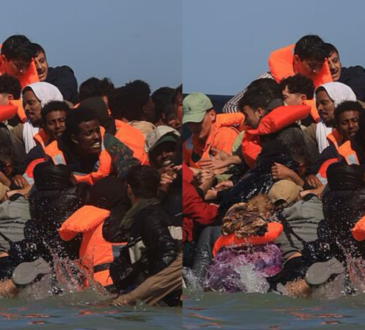
Health officials confirmed that one asylum seeker who arrived in the UK by small boat tested positive for tuberculosis shortly after reaching the country. As a precaution, the man has been placed in isolation while receiving medical treatment, and health authorities are working to make sure the infection does not spread to other people.
The asylum seeker is staying at a hotel in Essex that is currently being used to accommodate migrants while their asylum claims are being processed. Although all migrants arriving by small boat are given initial health checks at reception centres in Dover and Manston, the man was later confirmed to have tuberculosis after arriving at the hotel.
Following the diagnosis, the local NHS stepped in to provide medical care and carry out the necessary public health measures. The Home Office confirmed that healthcare support had been provided, while the local council responsible for the area declined to comment on the situation.
Tuberculosis is a serious bacterial infection that mainly affects the lungs. It spreads through the air when someone with active TB coughs, sneezes, or even speaks, releasing tiny droplets that can be inhaled by people nearby.
Although the disease can usually be treated successfully with a long course of antibiotics, it can become extremely dangerous if it is not diagnosed and treated early. In severe cases, the infection can spread beyond the lungs to other parts of the body, including the brain, where it can cause a life-threatening condition known as TB meningitis.
Because of the serious health risks, tuberculosis is classified as a notifiable disease in the UK. This means doctors and healthcare professionals are legally required to report every suspected or confirmed case to the UK Health Security Agency (UKHSA). This allows public health officials to trace contacts, monitor the situation, and quickly introduce measures to prevent further infections.
Although the UK is still considered a country with relatively low levels of tuberculosis by the World Health Organisation (WHO), recent figures show that the number of cases has been increasing. The latest data revealed that TB cases in England rose by more than 13% during 2024. A total of 5,490 cases were recorded, compared with 4,831 cases the previous year, continuing a worrying upward trend.
Health officials also reported that around 82% of the recorded TB cases involved people who were born outside the UK. Experts say many of these individuals may have arrived with latent tuberculosis, a form of the disease that remains dormant in the body without causing symptoms or being contagious.
However, months or even years later, the infection can become active, especially if a person’s immune system becomes weakened because of stress, illness, poor nutrition, or difficult living conditions.
The latest case has also reminded many people of a previous tuberculosis outbreak at RAF Wethersfield in Essex. The former military base was converted into accommodation for hundreds of single male asylum seekers in 2023. Soon after the site opened, health officials identified several cases of tuberculosis among residents, prompting concerns about infectious diseases spreading in crowded communal accommodation.
At the time, the UK Health Security Agency worked alongside local NHS teams to introduce emergency screening programmes and isolation measures. Mobile health units were brought in to carry out testing, while infected residents were separated from others to reduce the risk of transmission.
Public health experts explained that many migrants had likely arrived carrying dormant TB infections which later became active after long and difficult journeys, combined with the stress of living in crowded accommodation.
The Home Office never disclosed exactly how many asylum seekers contracted tuberculosis during the outbreak at RAF Wethersfield near Braintree. However, the incident highlighted the challenges health authorities can face when managing infectious diseases in large accommodation centres where many people are living together in shared facilities.
Officials continue to stress that while tuberculosis is a serious disease, it is both preventable and treatable when diagnosed early. Health authorities say isolation, prompt medical treatment, contact tracing, and regular health monitoring remain the most effective ways of preventing further spread and protecting both residents and the wider community.