Asylum-Seeking Families Who Came to the UK Hoping for a Better Life Reveal the Terrible Living Conditions They Faced After Arriving in Britain

Several asylum-seeking families who came to the United Kingdom hoping to find safety and build a better future have spoken about the difficult living conditions they experienced after arriving in the country.
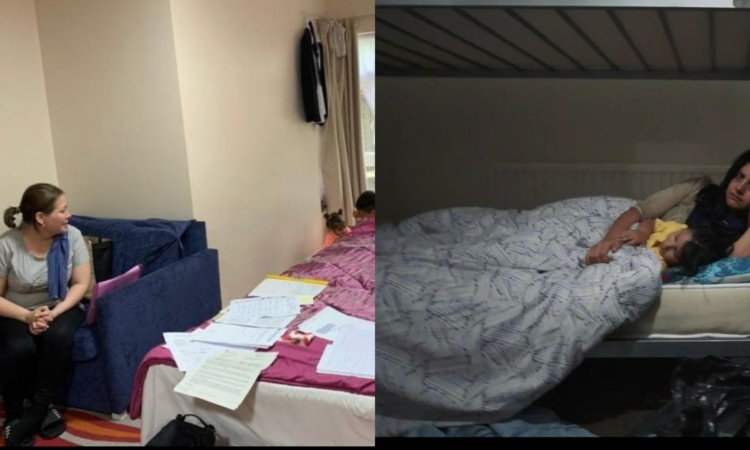
Some families said they spent years living in small hotel rooms, sharing limited space with their children and struggling with problems such as poor living conditions, lack of privacy and fears about their safety.
In an investigation published by The Times, families described how accommodation that was supposed to be temporary became their home for months or even years while they waited for decisions on their asylum applications.
One woman, identified as Malika, explained how she lived in hotels for three years with her husband and their three children.
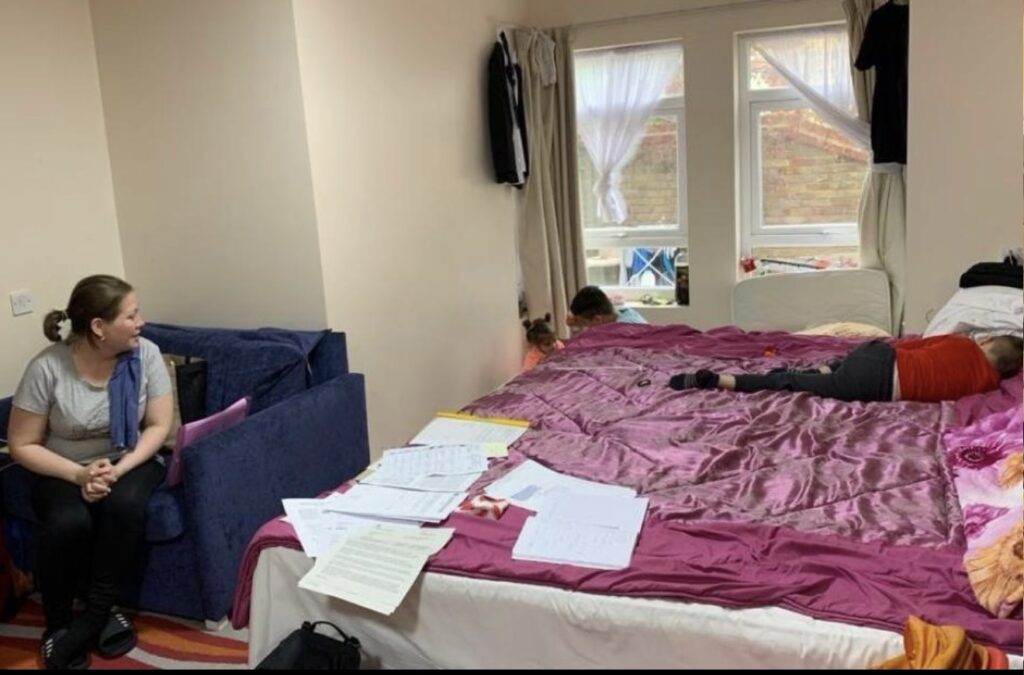
According to her account, the family was placed in a room that was originally designed for just one person. This meant that five family members had to share a space that was never intended to accommodate so many people.
For Malika, the situation was especially difficult because she had children to look after. The family had very little room to move around, and everyday activities became a struggle.
There was not enough space for the children to play freely or study comfortably. The family also had no proper cooking facilities, making it difficult to prepare their own meals.
Malika also recalled witnessing a frightening incident involving a boy who jumped from the sixth floor of a building.
The incident was one of the most disturbing experiences she described during her time in asylum accommodation. The available report did not explain all the circumstances surrounding what happened to the boy.
Her experience was not the only one shared in the investigation.
Another asylum seeker, identified as Miguel, described how he and his family spent about a year living in hotels while waiting for a decision on their asylum application.
During that period, the family was moved between different hotels, making it difficult for them to settle down and establish a normal family routine.
The repeated moves also affected their children’s education. In some cases, the children had to travel long distances to attend school because their accommodation was far from where they studied.
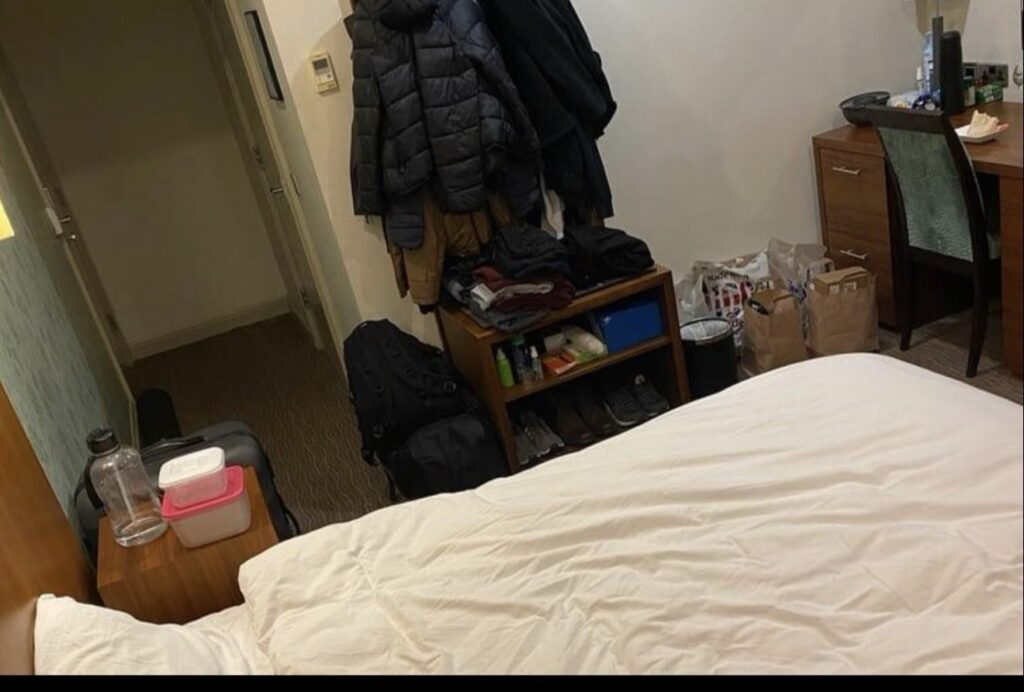
The family also struggled with the meals provided in the hotels. Without their own kitchen, they had little control over what they could cook or eat together.
Their situation became even more difficult when Miguel’s wife was diagnosed with breast cancer.
The family was eventually moved into other accommodation, but their experience showed how difficult life can become for asylum seekers who are waiting for a permanent place to live.
Miguel had previously spoken to Human Rights Watch about the conditions his family experienced in hotel accommodation.
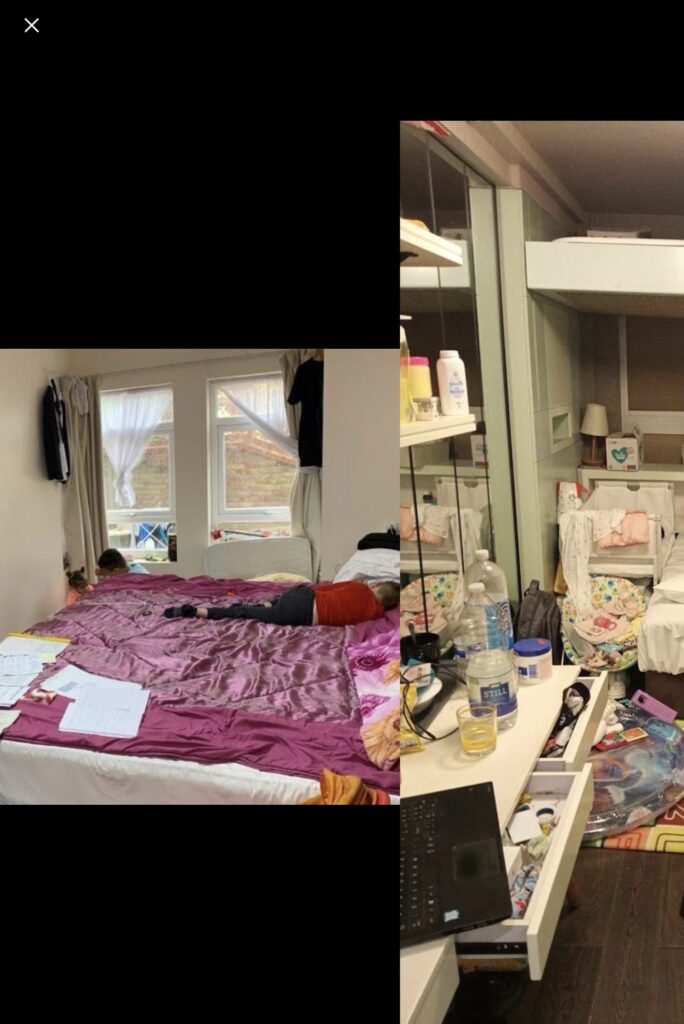
Describing how crowded their room was, he said: “Here we feel penned in like we are animals.”
His young son also struggled with the living arrangements. According to Miguel, the boy told him: “Papa, this is like a prison.”
These comments showed how the living conditions affected not only the parents but also the children who had to spend much of their daily lives inside the hotel rooms.
Miguel’s teenage daughter also complained about having no personal space. She explained that she had to do her schoolwork in the same room where the family slept and ate.
For many children, having somewhere quiet to study, play or spend time alone is an important part of growing up. However, families living in crowded hotel rooms said these ordinary activities were difficult.
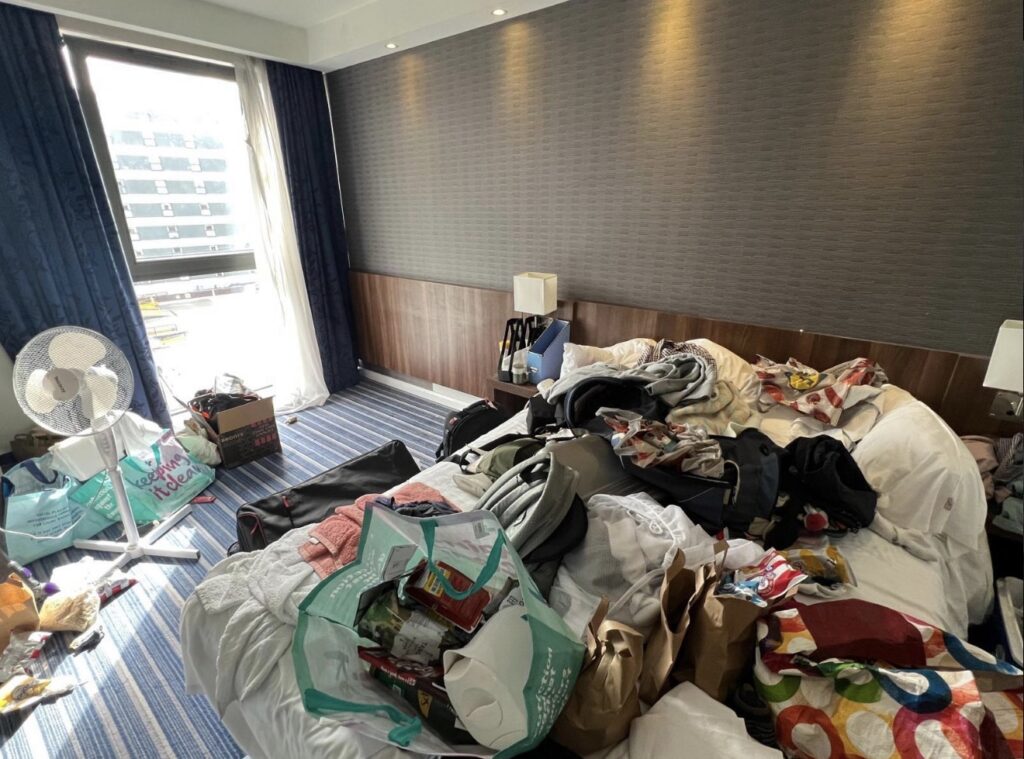
The investigation also highlighted wider concerns about the conditions inside some hotels used to accommodate asylum seekers.
Charities have previously reported problems involving rats, racist abuse and children attending school without having eaten enough food.
These reports have raised questions about whether hotels are suitable places for families to live for long periods, especially when young children are involved.
Many asylum seekers arrive in Britain after escaping dangerous situations in their home countries. Some have fled war, threats, violence or persecution.
After reaching the UK, they may expect to find somewhere safe where they can begin rebuilding their lives.
However, the families interviewed described facing another difficult situation after their arrival.
Instead of moving into permanent homes, some found themselves living in temporary accommodation with little information about when they would be moved.
The situation can be especially frustrating because most asylum seekers are not normally allowed to work while their applications are being considered.
This means that many families depend on accommodation and financial support provided through the asylum system.
They are also generally unable to choose where they live, although the Home Office can consider particular needs when deciding where to place them.
For parents, this can create additional worries because they want their children to attend school regularly, receive medical care and grow up in a stable environment.
The use of hotels to house asylum seekers increased significantly during the Covid-19 pandemic and the years that followed.
At one point, more than 56,000 people were living in around 400 hotels across the country.
Although the government has since reduced the number, thousands of asylum seekers are still being accommodated in hotels.
Official figures showed that 16,021 asylum seekers were living in hotels at the end of June 2026.
The government has promised to move away from using hotels and find other forms of accommodation.
The Home Office says the number of people staying in asylum hotels has fallen significantly and that work is continuing to close them.
However, charities supporting refugees and asylum seekers have warned that hotels are not suitable places for families to spend long periods.
They argue that children need stable accommodation where they can study, play and live without the stress of being moved from one place to another.
The issue has also caused disagreements in different parts of Britain, where some residents have raised concerns about the cost of asylum accommodation and its effect on local communities.
While the government continues working to reduce hotel use, families such as Malika’s and Miguel’s have described the personal difficulties behind the wider immigration debate.
For them, the problem is not simply about having a roof over their heads. It is also about being able to live together as a family, look after their children and have some certainty about their future.
Their experiences show that arriving in Britain does not always mean that the difficulties faced by people seeking asylum are over.
Some families who escaped dangerous situations abroad have found themselves facing years of uncertainty while waiting for the opportunity to rebuild their lives.
The accounts have brought renewed attention to the living conditions of asylum-seeking families and the challenges faced by parents trying to give their children a better future in the United Kingdom.