Birmingham City Council Wins Major Court Battle Over England and Union Jack Flags as Judge Makes Huge Decision That Could Land People in Prison

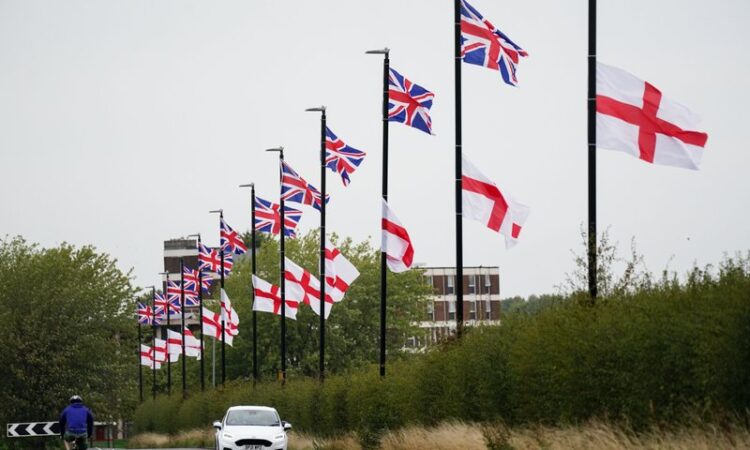
Birmingham City Council has won a court case stopping people from putting England and British flags on lampposts, bridges, roundabouts and other public road structures across the city without permission.
The decision was made by the High Court on Wednesday, 18 November 2026, after the council took legal action over thousands of England and Union Jack flags that had been put up across Birmingham.
The flags were placed by supporters of a campaign called Raise the Colours, which began putting up flags in different parts of the city in 2025. Supporters say the campaign is about showing love and pride for Britain.
However, Birmingham City Council argued that putting flags on lampposts and other public structures without permission could put people in danger, block drivers’ views and cause problems in local communities.
The council also raised concerns about reports of threats, harassment and arguments involving people putting up or removing the flags.
During the court case, it was revealed that a man suffered a broken leg after being hit by a vehicle used to lift workers while flags were being installed.
Judge Emma Kelly agreed that there were strong reasons to introduce a temporary court order stopping people from putting flags on public road structures without permission.
The order applies to Ryan Bridge, one of the founders of Raise the Colours, Ben Cullen, who is connected to the group, and other people who may attempt to put up flags without permission.
Under the ruling, police can arrest certain people suspected of breaking the court order without first obtaining an arrest warrant.
Birmingham City Council warned that anyone who breaks the order could face up to two years in prison, a fine or the seizure of their belongings.
However, the judge made it clear that the decision does not mean people are banned from displaying the England flag or the Union Jack altogether.
The restriction applies to all types of flags placed on public road structures without permission, including England flags, Union Jacks and other flags.
People can still display flags outside their homes and on their own property.
Ryan Bridge opposed the council’s legal action, arguing that stopping people from putting up the flags would affect their freedom to express their views and show their love for their country.
His lawyer also argued that the court order could discourage people from exercising their right to protest.
Following the ruling, Bridge expressed disappointment with the decision.
Councillor Jane Baston welcomed the outcome, saying the council wanted to protect public safety and ensure that flags and other items were not attached to public property without permission.
However, the decision has also faced criticism from local Conservative politicians, who believe the council should concentrate on dealing with other problems affecting Birmingham, including rubbish collection and public services.
Meanwhile, a local group campaigning against racism welcomed the ruling.
The court order is temporary and will remain in place until a trial or another decision by the court.
The case has raised questions about whether people should be allowed to put national flags on public property without permission and how councils should balance public safety with people’s freedom to express their patriotism.