Donald Trump is being ruined by a personal crisis and it’s setting off explosions

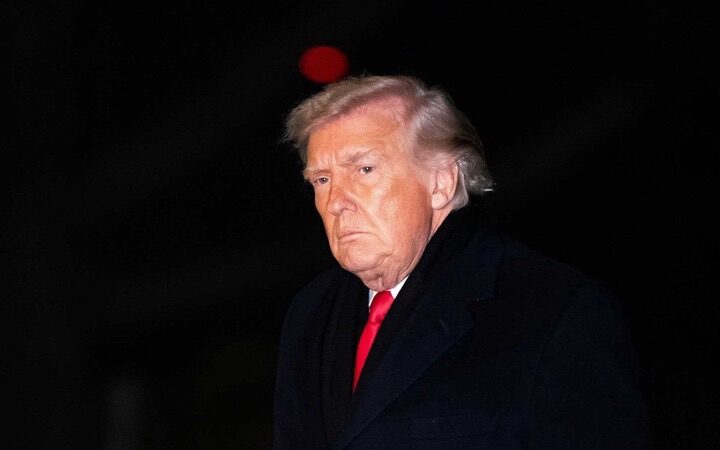
Friends, we are now watching what can happen when a leader becomes deeply obsessed with power, control, and the need to always win but begins losing that control anyway.
The writer argues that Iran is not likely to back down easily. According to this view, Iran may be able to survive economic pressure and sanctions longer than Donald Trump can survive the political pressure that comes when Americans begin paying much higher prices for everyday things. Gas prices are already climbing toward an average of nearly $4.50 per gallon, and food prices are expected to rise as well. For many Americans already struggling financially, that creates frustration and anger very quickly.
The article suggests that if the situation continues getting worse, it could seriously damage Trump politically. Rising prices, combined with growing public dissatisfaction over another major international conflict, could help Democrats regain control of the House of Representatives and possibly even the Senate during the upcoming midterm elections.
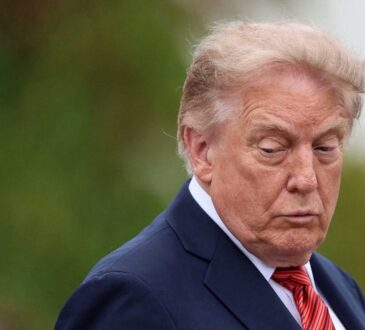
But the writer says this is not just about politics for Trump personally. He believes Trump sees losses as personal humiliation rather than normal political setbacks. The article points to the 2020 election as an example, arguing that Trump struggled emotionally with defeat and reacted aggressively afterward. According to the writer, Trump’s personality is built around dominating others, demanding loyalty, and refusing submission to anyone else. Because of that, the pressure of possible failure overseas and potential political losses at home appears to be making him more emotional and unpredictable.
The writer says Trump’s social media activity has become even more aggressive and chaotic. He continues posting attacks against opponents, accusing Democrats of election fraud and demanding Republicans become tougher ahead of future elections. The article describes many of his recent posts as strange and highly self-focused, especially AI-generated images showing him in heroic or exaggerated ways.
One example mentioned was an AI-created image showing Trump alongside figures like JD Vance, Marco Rubio, and Doug Burgum appearing younger and shirtless in front of the Lincoln Memorial. Another image targeted Hakeem Jeffries with insults and aggressive language. Trump also posted edited images attacking Joe Biden and Barack Obama while presenting himself as the strong leader in comparison.
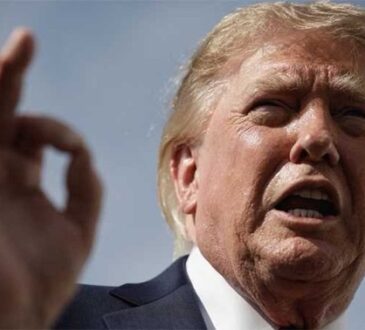
The writer argues that Trump’s public comments are also becoming more uncontrolled. The article mentions him criticizing the pope and making controversial remarks involving religion and foreign policy. It describes his tone as angry, emotional, and increasingly personal.
Another example in the piece involves Trump’s reaction to comments from Friedrich Merz. After Merz reportedly suggested the United States was being embarrassed internationally, Trump responded with repeated insults and criticism. The article also claims that policy decisions involving Germany and European tariffs followed shortly afterward, suggesting Trump may be reacting emotionally to criticism instead of strategically.
The writer then focuses on what he sees as Trump’s growing obsession with legacy and monuments. He lists projects and ideas connected to Trump’s name and image, including plans for a White House ballroom, commemorative gold coins, special gardens, and other symbolic projects. The article argues these plans are becoming larger, more expensive, and more focused on glorifying Trump personally.
One particularly controversial claim mentioned is that Trump wants his signature placed on U.S. paper currency, something that would be historically unusual for a sitting president. The article uses this to support its larger argument that Trump increasingly wants visible symbols of personal power and recognition everywhere.
The writer also says Trump’s desire for revenge appears to be growing stronger. The article mentions renewed legal actions and investigations involving former FBI Director James Comey, Federal Reserve Chair Jerome Powell, and former Joint Chiefs Chairman Mark Milley. According to the article, Trump continues focusing heavily on punishing critics and people he believes betrayed him.
The piece also points to recent government actions involving transgender student policies and education investigations, arguing that Trump may increasingly turn toward cultural and social battles as a way to energize supporters and reassert control politically.
The writer believes Trump will likely declare victory publicly no matter what eventually happens overseas. But he questions whether Americans will believe those claims if living costs continue rising and economic frustration keeps growing.
Toward the end, the article raises concerns about how Trump could respond if Republicans lose major elections again. It recalls the turmoil following the 2020 election and suggests the country could face another period of instability if Trump refuses to accept future defeats.
The article finishes with a warning. The writer describes Trump as emotionally unstable and argues that leaders who fear losing power can become more dangerous as their influence begins fading. He suggests that while most outgoing presidents slowly step away from power, leaders driven by pride, anger, and fear of humiliation may react very differently when they feel control slipping away.