Here Are the Main Things Asylum Seekers Are Entitled to Receive Immediately After Entering the UK

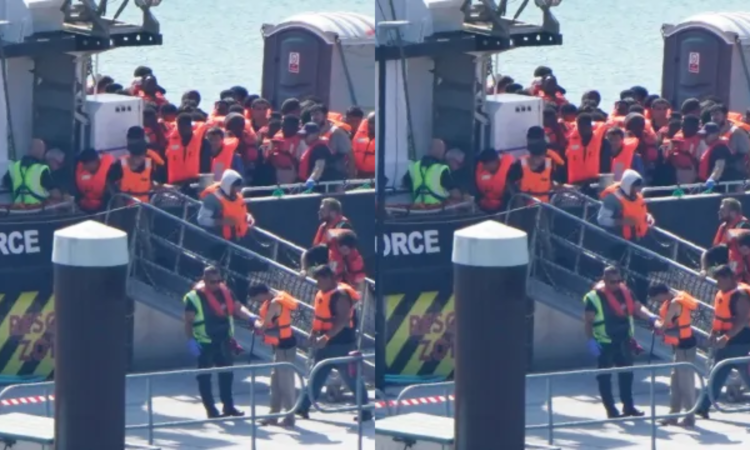
Reform UK has criticised Vodafone for giving free SIM cards to charities that support migrants who cross the English Channel in small boats.
The party’s home affairs spokesman, Zia Yusuf, said he had written to Vodafone’s board about the scheme. He accused the British mobile phone company of “facilitating the invasion of Britain” and warned that its senior leaders could face prison under a future Reform UK government.
According to the annual accounts of refugee charity Care4Calais, Vodafone has provided the organisation with more than 2,000 free SIM cards. The charity also gives refugees clothes, hygiene products and informal support. It organises social activities to help people settle into their new surroundings.
Vodafone defended its decision, saying it works with registered charities that help vulnerable people. This support is separate from the help asylum seekers receive from the Government while the Home Office considers their claims.
People seeking asylum can be given somewhere to live because they are normally not allowed to work while waiting for a decision. Their accommodation may be a house, flat, hotel, hostel or bed and breakfast. They cannot choose the town or area where they are placed.
At the end of March, 97,519 people were receiving asylum support in the UK. Of these, 72,768 were living outside hotels in different types of accommodation.
Some refugee organisations have complained about the condition of asylum housing. They have reported problems including damp, poor maintenance, bedbugs and other pests.
Housing an asylum seeker in a shared house or flat is estimated to cost around £23 each night. Hotel accommodation is much more expensive, costing about £145 per person each night. Larger sites, including former military barracks, reportedly cost an average of around £130 per person each night.
Asylum seekers who must buy their own food receive £49.18 per person each week. This is about £7.02 a day and is paid onto a debit card that can also be used to withdraw money from a cash machine.
Those living in accommodation where meals are provided receive much less. Their weekly payment falls to £9.95, which is about £1.42 a day.
Pregnant women and mothers with young children can receive extra money to help them buy healthy food. Pregnant women and mothers with children aged between one and three receive an additional £5.25 each week. Mothers with babies under one receive an extra £9.50 a week.
A one-off maternity payment may also be available to women who are due to give birth within 11 weeks or who have a baby younger than six months.
These payments are different from normal benefits such as Universal Credit. In most cases, asylum seekers cannot claim mainstream benefits while the Home Office is still considering their application.
Asylum seekers can also receive NHS healthcare, including treatment from doctors and hospitals. They may qualify for free prescriptions, NHS dental treatment, eye tests and help towards the cost of glasses. Providing this healthcare is estimated to cost the Government between £200 million and £300 million each year.
Most asylum seekers are not allowed to work while waiting for a decision. However, if they have waited more than a year and the delay was not their fault, they may apply for permission to work.
The rules were changed in March, limiting them mainly to skilled graduate-level and professional jobs. These include roles for scientists, engineers and further education teachers.
Asylum seekers are still allowed to volunteer while their applications are being considered. The Home Office encourages volunteering because it can help local communities and make it easier for newcomers to become part of society.