I Sleep on Britain’s Streets, and I’ve Seen What Some Small Boat Migrants Expect When They Arrive in the UK- Homeless Man Reveals a Surprising Claim

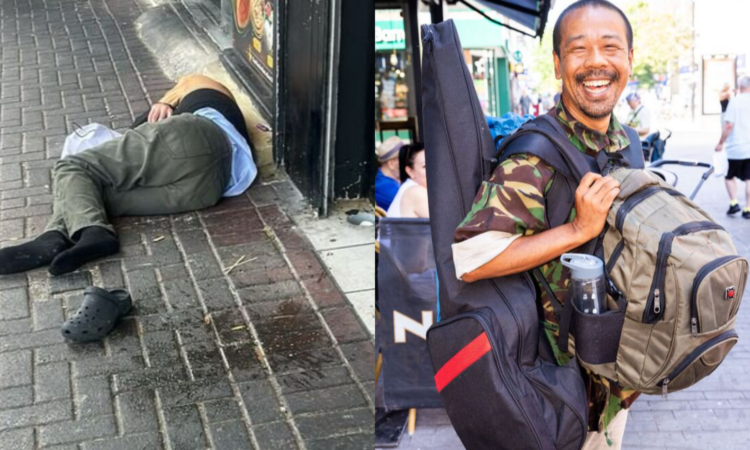
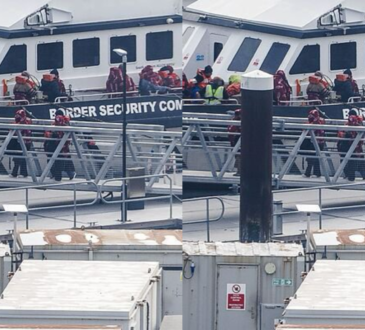
A homeless man has claimed that many migrants who arrive in the UK on small boats expect left-wing supporters and the government to look after them, as concerns grow over rising homelessness in one part of West London.
The comments come as new figures show a sharp increase in the number of people sleeping rough in Hounslow. According to data from the Combined Homelessness and Information Network (CHAIN), 513 people were found sleeping on the streets in the year to March, compared with 336 during the previous 12 months. The 53% rise is the biggest increase recorded across all 32 London boroughs.
Researchers said the increase appears to be linked to a growing number of people leaving asylum accommodation and ending up homeless after their support comes to an end. Across London, nearly 13,000 people were recorded sleeping rough over the same period.
Among those living on the streets is 59-year-old Franklin Rozier, who moved to Britain from India on an ancestry visa in 2019. He said he is currently waiting for a decision on his British citizenship application and has no access to benefits while he waits. He survives with financial help from relatives and says he has been left homeless despite living in the UK legally.
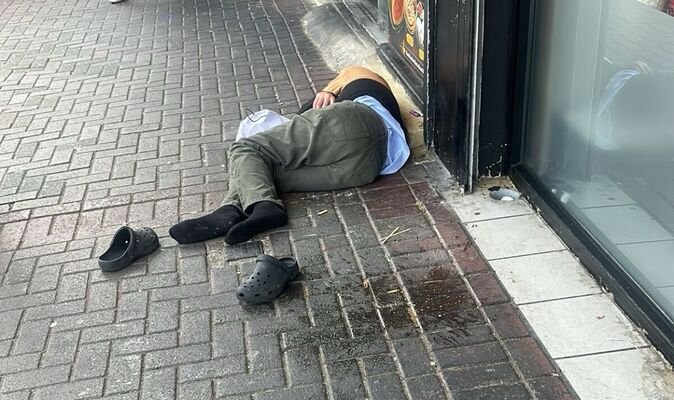
Mr Rozier said he believes the country has changed dramatically and claimed that some people arriving from overseas receive more support than British residents facing hardship. He expressed frustration over his situation, saying he has been left with no money and nowhere to live while others appear to receive accommodation and financial assistance.
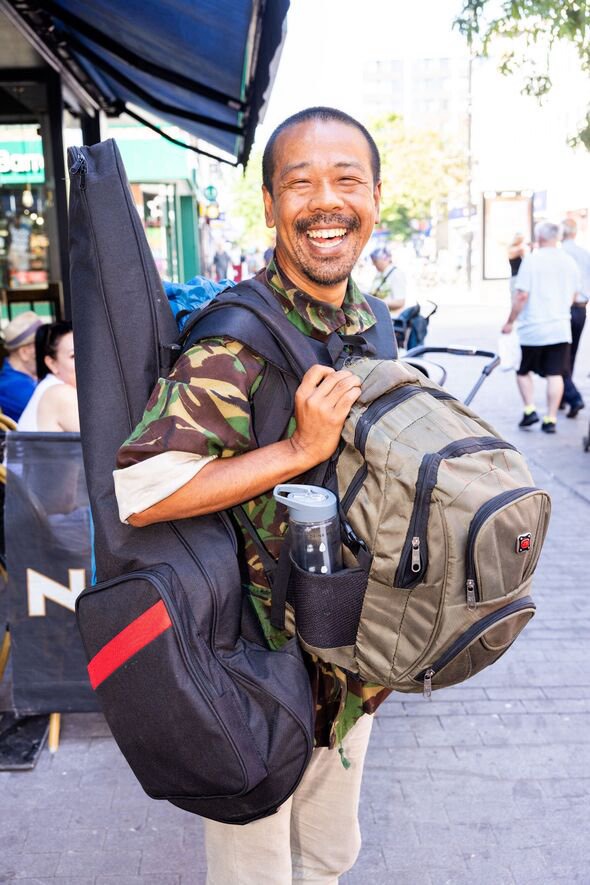
Another rough sleeper, 39-year-old Himalaya Rai, said he is homeless by choice while preparing to walk the King Charles III England Coast Path. Originally from Nepal, Mr Rai has Indefinite Leave to Remain in the UK and said his father, a former Gurkha, invited him to Britain.
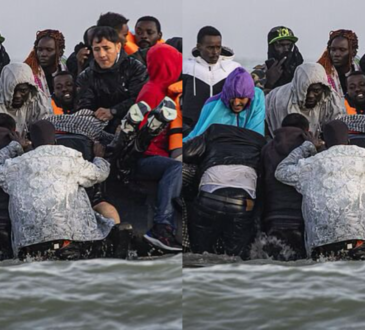
During his time sleeping on the streets, Mr Rai said he has met many asylum seekers who arrived after crossing the English Channel in small boats. He claimed that while some refugees are genuinely fleeing war and persecution, others are not. He specifically praised people escaping conflicts in countries such as Ukraine and Syria but alleged that many other migrants had paid large sums to smugglers instead of investing that money in businesses or opportunities in their own countries.
Mr Rai also claimed that many of the migrants he had met expected left-wing politicians and campaigners to provide for them after arriving in Britain. His comments reflect a wider political debate over how the UK’s asylum system should operate and how much support should be offered to new arrivals.
Local politicians have also weighed into the discussion. Conservative councillor Charmi Parmar said there is an important difference between refugees who work hard, contribute through taxes and support their families, and those who come to Britain primarily to claim benefits. She also claimed homelessness linked to asylum seekers has contributed to rising crime in Hounslow.
However, the Metropolitan Police said Hounslow remains a safe borough and stated that overall crime has actually fallen by 15.6% compared with the previous year.
Reform UK councillor Adam Parkins argued that Britain’s asylum system is failing taxpayers and placing additional pressure on already stretched local services. He criticised plans to reduce the use of asylum hotels, claiming that moving migrants into shared housing could simply shift the problem into local communities rather than solving it.
Mr Parkins also said people who enter the UK illegally or have their asylum claims refused should be removed from the country. Fellow Reform councillor Conrad Brown added that many residents in his ward say they no longer feel as safe as they once did. He pointed to burglary figures which he claimed had risen locally while falling across other parts of the country.
Hounslow Council said it continues to work closely with charities, housing organisations and other partners to help homeless people find suitable accommodation and achieve long-term stability.
Charities supporting refugees say they are also working to prevent more people from ending up on the streets after leaving asylum accommodation. A government pilot scheme introduced in 2025 gave recognised refugees 56 days instead of 28 to find housing before losing their accommodation. The trial was later replaced with a permanent 42-day grace period, which campaigners say has already prevented around 1,000 households from becoming homeless.
Imran Hussain, Director of External Affairs at the Refugee Council, said the scheme showed that refugees generally want to rebuild their lives by finding jobs, paying taxes and becoming independent, but need enough time and support to make that transition successfully. He warned that reducing support too quickly could lead to even more people sleeping rough.
The Home Office said the CHAIN figures are not official government statistics but insisted it remains committed to helping recognised refugees move successfully into independent housing. Officials highlighted the extension of the grace period from 28 to 42 days and said specialist support is available to reduce the risk of homelessness.
A Home Office spokesperson also said almost 70,000 people who had no legal right to remain in the UK had been returned or deported, representing a 41% increase compared with the previous 21-month period. The department added that it has committed £3.6 billion over two years to support homelessness services and help vulnerable people find stable accommodation.