I Was Wrongly Jailed and Spent 5 Years in Prison for a Crime I Never Committed. After I Was Finally Freed, I Asked for Just One Thing but I Was Denied.

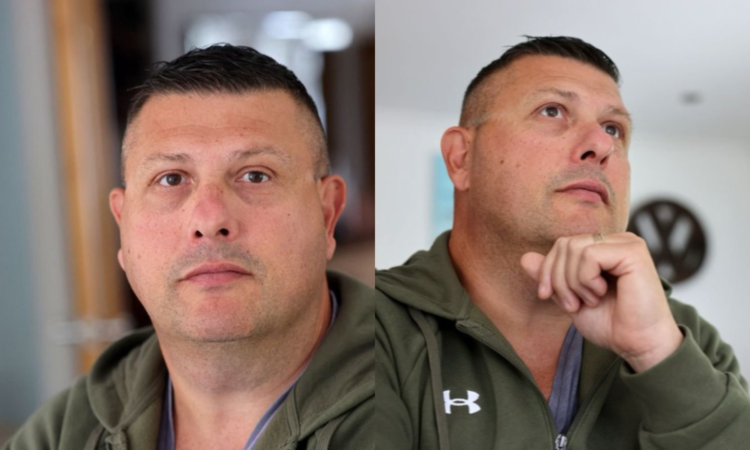
Brian Buckle has spoken about the heartbreaking reality of spending more than five years in prison for crimes he always insisted he did not commit, only to be told twice that he is not entitled to any compensation after finally clearing his name.
Brian was convicted in 2017 of historical child sexual abuse and sentenced to 15 years in prison. The conviction turned his life upside down and left his family facing an emotional and financial nightmare. Throughout his time behind bars, Brian and his wife, Elaine, never stopped fighting to prove that he was innocent. Their determination came at a huge price, with the family spending around £500,000 on legal fees while trying to overturn the conviction.
After more than five years in prison, the Court of Appeal ruled that Brian’s conviction was unsafe. The judges quashed the conviction, and he was released from prison. However, the legal battle was not over. Prosecutors ordered a retrial, which took place at Swansea Crown Court in 2023.
During the new trial, Brian’s defence team, led by barrister Stephen Vullo KC, presented fresh forensic evidence along with new witnesses that had not been available during the original case. After hearing all of the evidence, the jury quickly reached a unanimous verdict of “not guilty,” fully clearing Brian of the allegations.
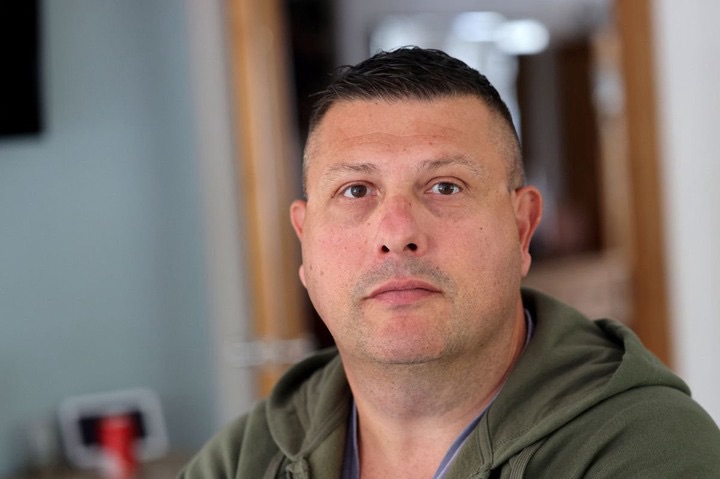
Although he had finally regained his freedom and his name, the years spent fighting the case had left deep scars. Brian says the experience destroyed his mental health and continues to affect him every day. He revealed that he now suffers from post-traumatic stress disorder (PTSD), takes medication, and constantly feels anxious because of everything he went through.
He said the ordeal had been the worst experience of his life and admitted that it had caused enormous pain not only for him but for his entire family. The emotional strain of losing his freedom, reputation, and financial security has continued long after leaving prison.
Despite being found not guilty and having his conviction overturned, Brian has twice been refused compensation by the Ministry of Justice. His first application was rejected in 2024, sparking criticism from supporters and politicians who believed the decision was deeply unfair.
His local MP, Ben Lake, took up the case and secured a debate in Westminster to highlight what had happened. The case was also raised in the House of Commons, where then Justice Minister Alex Davies-Jones said she hoped Brian’s faith in the justice system could be restored.
Following public pressure, the Ministry of Justice agreed to review its original decision. However, after carrying out another assessment, officials again concluded that Brian did not meet the strict legal test required to receive compensation. In a letter sent to him in April, the department stressed that the decision did not change the fact that his conviction had been quashed or question the outcome of his successful appeal.
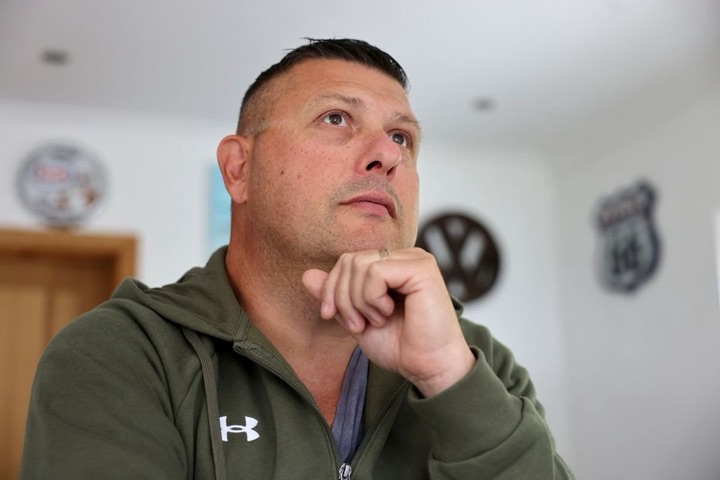
Ben Lake described Brian’s case as one of the clearest examples of injustice he had seen during his years as a Member of Parliament. He said he was deeply disappointed by the decision and argued that Brian deserved compensation for everything he had endured because of the state’s mistakes.
The MP vowed to continue pressing ministers on the issue, saying he would keep raising questions in Parliament until the government finally did what he believes is right.
The reason Brian has been denied compensation lies in changes made to the law in 2014. Before those changes, people whose convictions were overturned because of fresh evidence could receive compensation if it was clear that no reasonable jury would have convicted them.
However, the law now sets a much higher standard. Instead of simply proving that the conviction was unsafe, applicants must effectively prove that they did not commit the offence at all. Lawyers say this is an almost impossible test to satisfy in many cases, especially where there is no DNA, CCTV footage, or other scientific evidence capable of proving complete innocence.
Brian’s lawyer, Stephen Vullo KC, said the current law makes it extremely difficult for wrongly convicted people to receive compensation. He argued that if someone wanted to write legislation designed to prevent almost everyone from qualifying for compensation, it would look very similar to the current rules.
When the law was changed, the Ministry of Justice said one of the aims was to reduce the financial burden on taxpayers. The department has since said it will consider the findings of an ongoing review by the Law Commission before deciding whether any further changes to the compensation system should be made.