I’ve Always Dreamed of Coming to the UK to Build a Better Future, but I Was Left Heartbroken After Discovering Why I Can No Longer Come to Britain to Fulfil My Dreams

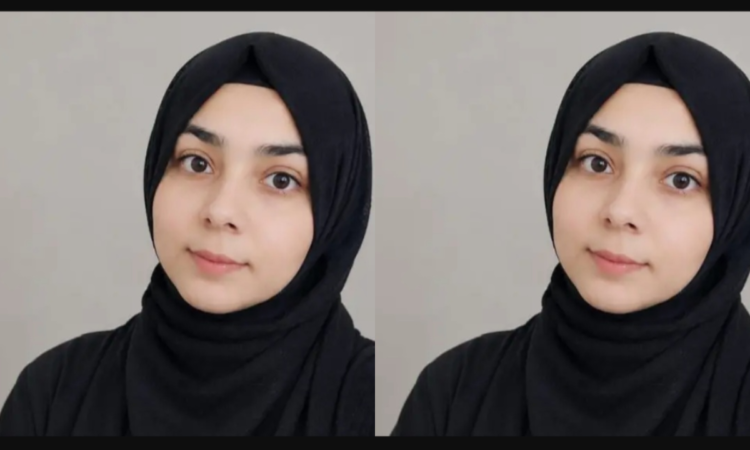
Afghan women who had been offered places at British universities have been left heartbroken after the UK government stopped issuing student visas to people from Afghanistan.
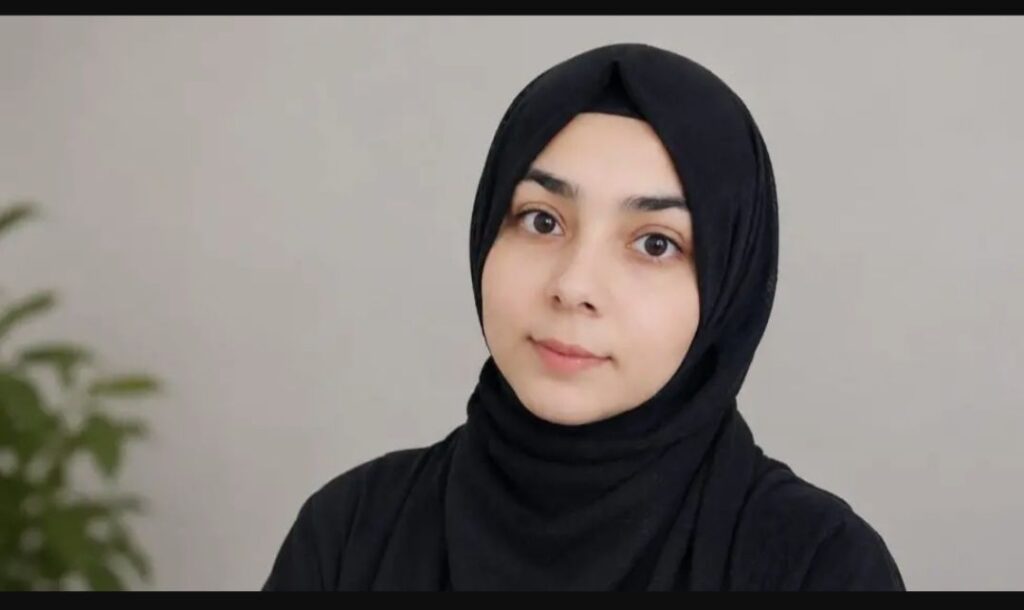
Shahira Sadat, a software engineer living in Kabul, had spent three years trying to secure an opportunity to study in Britain despite the strict restrictions imposed by the Taliban.
She was excited when she received an invitation for an interview for the Chevening Scholarship, a programme funded by the UK government.
She had already received offers from the University of Sussex, the University of Bradford and Northeastern University London to study for a master’s degree in artificial intelligence and machine learning.
However, her dreams were shattered when she received an email informing her that she would no longer be considered because she was from Afghanistan.
In March, the Home Office announced an emergency suspension of student visas for applicants from Afghanistan, Cameroon, Myanmar and Sudan. Skilled worker visas for Afghan nationals were also suspended.
The government said the decision was made following concerns about visa abuse and the growing number of international students applying for asylum after arriving in Britain.
Home Secretary Shabana Mahmood said the government was taking action against people seeking to take advantage of Britain’s generosity.
Sadat said she cried for hours after receiving the disappointing news and lost all her motivation.
She explained that studying in Britain was not just about getting an education but also about rebuilding her career and creating a better future for herself.
Under Taliban rule, women in Afghanistan are banned from attending secondary schools and universities. They are also prevented from working in most professions.
Another Afghan woman, identified as Alia to protect her identity, also had her offers to study digital media in Britain withdrawn.
She revealed that she had attended a secret school to prepare for an English language examination. However, the Taliban discovered the school and shut it down, forcing her to continue studying online with a teacher from Canada.
Both women also faced regular electricity cuts, internet problems and difficulties finding examination centres that would accept female students.
After overcoming these challenges, Alia said she felt deeply disappointed by the British government’s decision.
She appealed to the UK government not to treat Afghan women the same way the Taliban treats them, saying they had already been denied access to education in their own country.
Responding to questions from the BBC, the Home Office said it was reopening its refugee resettlement scheme, which would include Afghan women and girls.
It also said it was introducing new sponsorship and study routes to help refugees come to Britain safely and rebuild their lives.
However, the department did not explain whether Afghan women who are still living in Afghanistan and are not recognised as refugees would qualify for these programmes.
Figures show that fewer than 400 of the more than 680,000 international students studying in Britain during the 2024/25 academic year were from Afghanistan.
The Home Office previously revealed that between 2021 and September 2025, the number of Afghan asylum claims was equivalent to 95% of the number of student visas issued to Afghan nationals.
The government said its new policy was intended to reduce the number of asylum claims linked to student visas and ease pressure on the immigration system.
Meanwhile, Zainab Rezaie, an Afghan student who moved to Birmingham in 2024 before applying for asylum, explained why she made that decision.
Rezaie, who is studying for a PhD in education at the University of Exeter, said she feared being forced to return to Afghanistan if she could not find a job or secure another visa after completing her studies.
She explained that returning home would leave her with very limited opportunities to work and live freely.
She said living in Britain allowed her to enjoy basic freedoms, including going outside, exercising and shopping without the restrictions she faced in Afghanistan.
However, she insisted that becoming an asylum seeker was never something she wanted, explaining that living away from her family and adjusting to a different society was emotionally difficult.
Although Afghan women can still apply to study in other countries across Europe and Asia, some fear that more governments could follow the example of Britain and the United States.
They believe the international community is gradually closing its doors on them, leaving them with fewer opportunities to escape the restrictions they face under Taliban rule.