Labour Reveals What Britain Must Pay the EU Every Year Under Its New Brexit Agreement

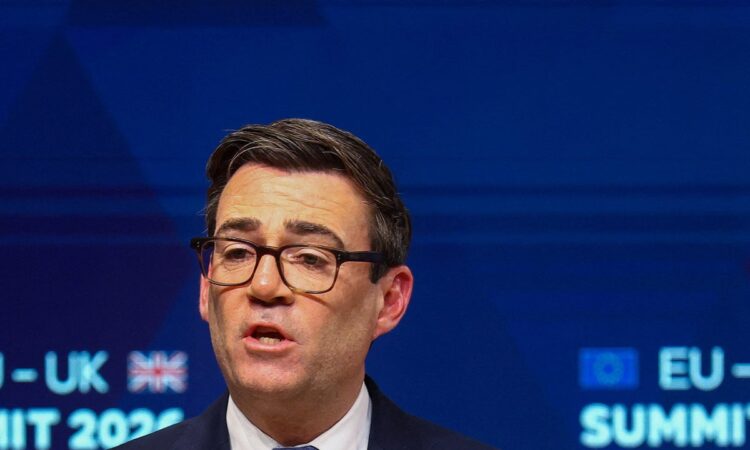
The Labour Government has confirmed that Britain will have to pay millions of pounds to the European Union every year as part of Andy Burnham’s new deal to rebuild relations with the EU following Brexit.
Environment Minister Emma Hardy initially revealed that the payments could run into hundreds of millions of pounds during an interview with Times Radio.
However, she admitted that she would need to double-check the exact amount, explaining that the money would be used to cover the cost of managing the border.
Government officials later clarified that the annual cost was expected to be in the tens of millions of pounds rather than hundreds of millions. However, the full amount Britain will have to pay has not yet been officially published.
The agreement was reached in Brussels as part of Labour’s efforts to build a closer relationship with the European Union and address some of the problems British businesses have faced since Brexit.
Under the new agreement, Britain will make a financial contribution based on the size of its economy. The country will also have to pay an additional fee of four per cent on top of its main payment.
The money will help fund European agencies and computer systems responsible for managing food safety, trade and other services covered by the agreement.
The deal is expected to remove most border checks on food and drink products moving between Britain and the European Union, making it easier for British businesses to sell their products to European customers.
The Labour Government believes reducing paperwork, delays and transportation costs could also help bring down supermarket prices across Britain.
However, the agreement will require Britain to follow a number of European rules covering food standards and other areas.
Although British officials will be allowed to take part in discussions about new rules, Britain will not have the same voting rights as countries that are members of the European Union.
Conservative leader Kemi Badenoch has criticised the plans, accusing the Government of seeking too much power to introduce European laws without giving Parliament enough opportunity to examine them.
Reform UK leader Nigel Farage has also questioned the benefits of moving closer to the European Union, arguing that doing so does not guarantee stronger economic growth for Britain.
Another part of the agreement could make it costly for a future British government to walk away from the deal.
If either Britain or the European Union withdraws within ten years, it could be required to compensate the other side for certain costs, including money spent on rebuilding border facilities, buying equipment and training staff.
Despite the criticism, Labour insists that the financial benefits of the agreement will be far greater than the money Britain pays to the EU.
The Government estimates that its wider agreements with the European Union could boost the British economy by up to £17 billion a year by 2040.
However, questions remain over exactly how much British taxpayers will have to contribute every year and whether the agreement will deliver the financial benefits Labour has promised.