MAGA Georgetown Professor Under Fire for Racist Post Connecting Barack Obama to the Correspondents’ Dinner Shooting

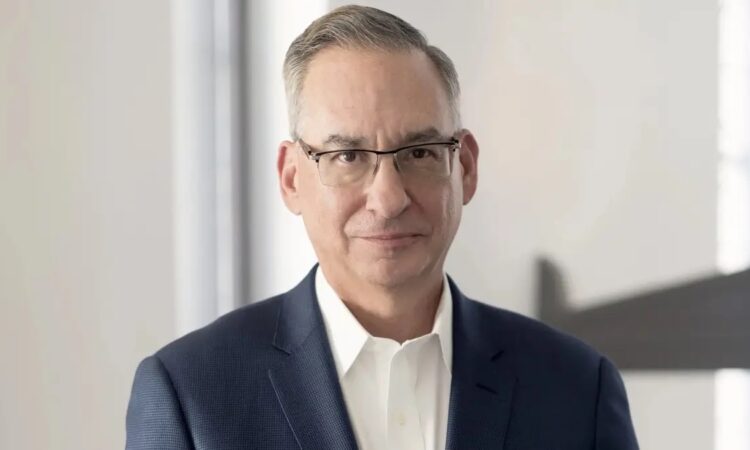
People reacted almost instantly, and the anger spread very fast. Many could not believe what they were seeing. A professor from Georgetown University posted a message on social media that people described as openly racist and deeply offensive.
In that message, he tried to connect former President Barack Obama to the man accused of carrying out the shooting at the White House Correspondents’ Dinner. For many, it crossed a clear line, and the backlash came from all directions.
What made it even worse for critics was the timing. The professor, Randy Barnett, did not post his comment in the confusion right after the incident. Instead, he waited nearly two full days. That detail made people feel the message was not a mistake or something said in panic, but something he had time to think about and still chose to publish.
The shooting itself had already shaken people. It happened on Saturday night, April 25, at the Washington Hilton, where the White House Correspondents’ Dinner was taking place.
The event is usually seen as a major gathering of political leaders, journalists, and public figures. That night, it turned into a scene of fear when a man identified as Cole Tomas Allen reportedly got past a Secret Service checkpoint. Inside the venue were President Donald Trump, Melania Trump, and other top officials.
Authorities later shared details about the suspect, which surprised many people. He was described as highly educated, with a background that included studying at California Institute of Technology and earning a master’s degree from California State University, Dominguez Hills.
Despite that background, he now faces serious charges. By Monday, April 27, he had been charged in federal court with multiple crimes, including attempting to assassinate the president.
While people were still trying to process the shock of the attack, Barnett’s social media post added fuel to an already tense situation. His comment suggested that if Obama had a son, that son would have acted like the suspect. Many people saw this as not just offensive, but clearly racist, especially because of how it linked a Black former president to violent crime in such a direct and personal way.
The reaction online was intense and emotional. Social media filled with calls for action. Some people demanded that Georgetown University suspend or fire Barnett immediately.
Others questioned how someone with views like that could be trusted to teach constitutional law, especially to students from different backgrounds. For many, it was not just about one post, but about what it represented.
Some people pointed out that Barnett seemed to be twisting a well-known statement Obama made years ago. In 2012, after the killing of Trayvon Martin, Obama said that if he had a son, that son would look like Trayvon.
At the time, it was seen as a deeply personal and emotional comment about race and identity in America. Critics say Barnett took that moment and turned it into something harmful and disrespectful.
At the same time, the political atmosphere around the shooting became even more heated. Some Republican voices began blaming Democrats and the media, saying their language and criticism of Trump had created a dangerous environment.
Right after the incident, Trump initially tried to calm tensions. He spoke about the need for unity and asked Americans to resolve their differences peacefully.
But that message did not last long. By the next day, during an interview on 60 Minutes, Trump shifted tone and blamed Democrats, saying their speech was more dangerous.
That change in message drew criticism from many who felt it was unfair or hypocritical, especially given Trump’s own long history of harsh and controversial remarks about his opponents.
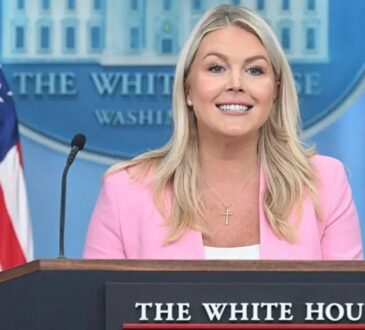
By Monday, the administration continued to defend its position. White House Press Secretary Karoline Leavitt told reporters that the violence was the result of ongoing attacks against Trump and his supporters by politicians, commentators, and the media. Critics quickly pushed back, saying this ignored the bigger picture and avoided taking responsibility for the broader tone of political discourse.
As all of this unfolded, attention stayed focused on Georgetown University and how it would respond. Many people were waiting to see whether the school would take action or remain silent.