Migrants Hoping to Seek Asylum in the US Receive Bad News After Supreme Court’s Major Decision

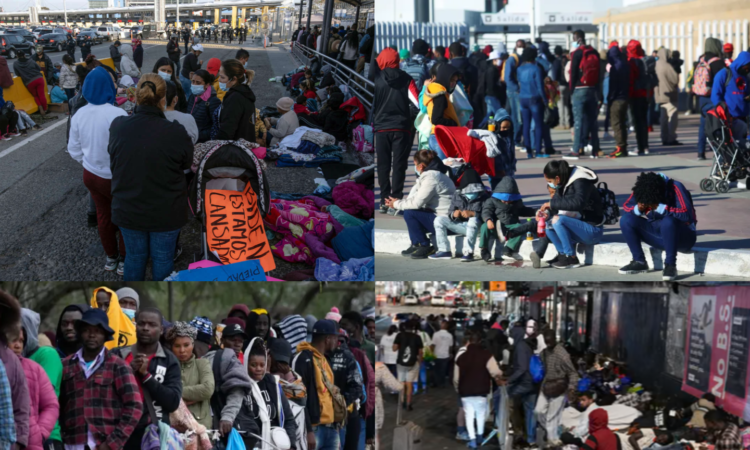
The US Supreme Court has ruled that migrants seeking asylum can be turned away before they reach American soil, giving President Donald Trump a major legal victory on one of his key immigration policies.
In a 6-3 decision, the court ruled that people who are still on the Mexican side of the US-Mexico border do not have the legal right to apply for asylum in the United States. The ruling means US border officials can refuse entry to asylum seekers before they cross into the country if the policy is brought back.
The case focused on a border policy known as “metering,” which was first introduced during Donald Trump’s previous presidency. Under the policy, US immigration officers could stop migrants at official border crossings and tell them they could not enter the United States to request asylum. Although the policy has not been used since 2021, the Trump administration asked the Supreme Court to confirm that it is legal so it can be used again if needed.
US immigration law says that a foreign national who is physically present in the United States or who arrives in the country can apply for asylum. However, the Supreme Court ruled that someone standing in Mexico has not yet “arrived” in the United States, even if they are at an official border crossing and attempting to enter.
Writing for the majority, Justice Samuel Alito said a person only arrives in the United States after crossing the border. He explained that someone who is stopped before entering the country has not legally arrived, regardless of whether they intended to cross or were prevented from doing so. According to the court, the law applies only after a person has entered US territory.
The ruling overturned an earlier decision by a federal appeals court, which had found that migrants waiting at official ports of entry could still be considered as having arrived for the purpose of requesting asylum. The Supreme Court rejected that interpretation, saying the law does not extend to people who remain outside the country’s borders.
The court’s three liberal justices strongly disagreed with the decision. Justice Sonia Sotomayor wrote a powerful dissent, arguing that the majority had interpreted the law too narrowly. She warned that the ruling could have devastating consequences for people fleeing violence, war and persecution.
Sotomayor said the decision would effectively shut the door on many vulnerable people seeking protection. She warned that migrants who are denied access through legal border crossings may instead attempt dangerous illegal crossings, putting more lives at risk. She said the outcome would likely lead to more deaths and greater suffering for people trying to escape persecution.
The ruling is another significant victory for President Trump, who returned to the White House after campaigning on a promise to tighten immigration controls, secure the southern border and deport millions of undocumented migrants. Since taking office again, his administration has introduced several measures aimed at reducing illegal immigration and speeding up deportations.
Immigration has remained one of the biggest issues before the Supreme Court this year, with several major cases involving Trump’s policies. On the same day as the asylum ruling, the court also allowed the administration to remove temporary deportation protections from around 350,000 Haitians and approximately 6,000 Syrians living in the United States.
Another major immigration case is expected to be decided soon. The Supreme Court is due to rule on President Trump’s attempt to end automatic birthright citizenship, a long-standing constitutional principle that grants US citizenship to nearly everyone born on American soil. That decision could have far-reaching consequences for immigration policy and constitutional law in the United States.
The latest ruling is expected to reshape how future asylum claims are handled at the US-Mexico border and could become one of the most important immigration decisions in recent years. Supporters say it strengthens border security and clarifies existing law, while critics argue it will make it much harder for people fleeing danger to seek protection through legal channels.