More Than 20 Migrants Seen Trying to Reach Britain in a Strange Boat, but What People Noticed About the Boat Left Many Surprised

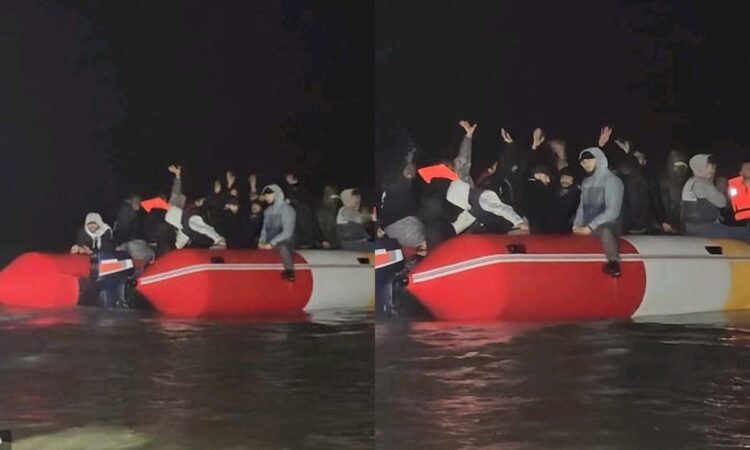
A group of migrants trying to reach Britain have been filmed travelling in an unusual small boat painted in the colours of the Kurdish flag. The incident has attracted attention after footage showed Belgian police officers standing nearby as the migrants prepared to leave the beach.
The boat was spotted early on Thursday morning near De Panne, a Belgian coastal town close to the French border. More than 20 men were reportedly seen climbing aboard the inflatable dinghy at around 3am local time, hoping to make the dangerous journey across the English Channel to the UK.
What made this particular boat different from others was its appearance. Most small boats used for Channel crossings are made from black inflatable material, but this one had red, white and green colours, along with a yellow symbol similar to the sun found on the Kurdish flag.
The unusual design has led to suggestions that the boat may have been specially made to represent the Kurdish flag. However, there has been no official confirmation of who designed the boat or why those particular colours were chosen.
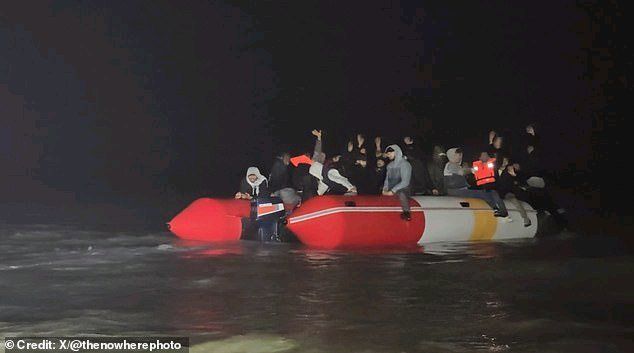
Footage recorded at the scene showed the migrants struggling to get the boat moving while Belgian police officers watched from the beach. The officers appeared to be standing only a short distance away as the men tried to begin their journey.
One witness who watched what happened expressed shock that the authorities did not appear to intervene.
According to the witness, the boat was floating just a few metres from the beach while police officers stood nearby. The witness questioned why the officers were not taking action to prevent the migrants from leaving.
The incident has now led to criticism from some British politicians, who believe European authorities should be doing more to stop people from making dangerous journeys across the Channel.
Shadow Home Secretary Chris Philp strongly criticised the Labour government over the footage. He claimed that people-smuggling gangs were becoming increasingly confident and were openly challenging the government’s efforts to stop illegal Channel crossings.
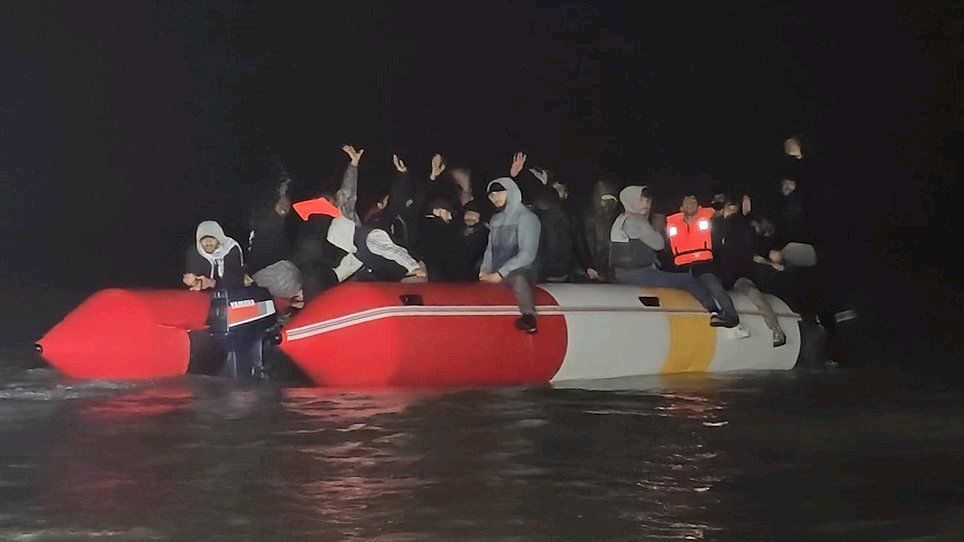
Philp argued that the boat’s unusual colours showed how little fear some smugglers had of the authorities. He accused the government of failing to deliver on its promise to break up the criminal networks responsible for organising the crossings.
He also warned that improving weather conditions could encourage more people to attempt the journey in the coming days.
For several weeks, strong winds and rough seas had made it difficult for small boats to travel between France and Britain. However, calmer conditions were expected to create another opportunity for crossings.
Philp claimed that hundreds of migrants could attempt to reach Britain as the weather improved. He also criticised the government’s agreement with France on returning migrants, arguing that it was not doing enough to discourage people from making the journey.
He went further by calling for Britain to leave the European Convention on Human Rights, saying this would make it easier to remove people who enter the country illegally.
Reform UK leader Nigel Farage also reacted to the video, accusing Belgian and French authorities of allowing migrants to leave their shores without taking sufficient action.
Farage pointed to the boat’s colours and suggested that the design was intended to send a message to the British government.
He claimed that people-smuggling gangs were making fun of the authorities because they believed they could continue organising crossings without facing serious consequences.
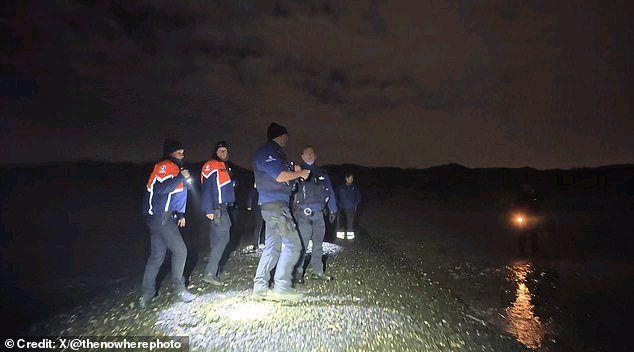
Despite the attention surrounding the footage, it was not immediately clear whether the boat successfully reached British waters.
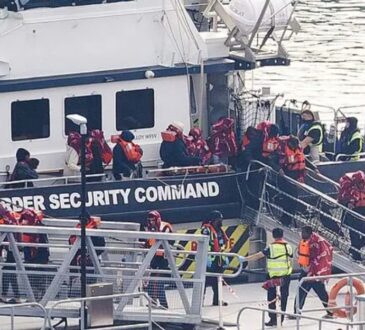
A British Border Force vessel called BSC Courageous was reportedly operating in the Channel, east of Calais, around the time of the incident. However, there was no confirmation that the vessel had intercepted or assisted the migrants seen leaving Belgium.
The incident has also brought renewed attention to the criminal organisations responsible for transporting migrants across the Channel.
Earlier this month, Rob Jones, the National Crime Agency’s director general of operations, told MPs that Iraqi Kurdish and Afghan nationals were over-represented among people involved in certain organised people-smuggling networks.
Speaking during a meeting of the Home Affairs Select Committee, Jones was questioned about what British authorities knew about the gangs and what steps were being taken to stop them.
Committee chair Dame Karen Bradley asked whether officials knew who was running the criminal operations, where they came from and whether the government was working with other countries to tackle the problem.
Jones confirmed that international cooperation was taking place and referred to the involvement of Iraqi Kurdish and Afghan nationals in some trafficking networks.
However, the involvement of individuals from these backgrounds in criminal organisations does not mean that Kurdish or Afghan communities generally are connected to people smuggling.
The National Crime Agency has previously investigated several major criminal groups accused of making large amounts of money by arranging dangerous Channel crossings.
In 2024, French authorities jailed 18 members of a people-smuggling organisation that investigators described as one of the most active networks they had encountered.
Most of those convicted were Iraqi Kurds, and prosecutors believed the organisation had been involved in arranging as many as 10,000 Channel crossings.
The gang was accused of putting people’s lives at risk while making money from migrants desperate to reach Britain.
French prosecutors described those responsible as merchants of death because of the dangers associated with transporting people across one of the world’s busiest shipping routes in overcrowded inflatable boats.
The group’s leader, 26-year-old Mirkhan Rasoul, was sentenced to 15 years in prison in Lille following a major police investigation involving several European countries.
Other people convicted in connection with the operation included a woman and an Iranian man who had been arrested in Britain before being extradited to France.
Investigators said the organisation had controlled a significant proportion of small boat crossings from northern France over several years.
The latest incident in Belgium comes as the British government continues to face pressure over the number of migrants arriving by small boats.
According to figures quoted in the report, 85,649 people had reached Britain by small boat since Labour came to power. The report also claimed that 8,466 arrivals had been recorded since July.
These figures have been used by opposition politicians to question whether the government’s border policies are achieving the results promised to voters.
The Home Office, however, has defended its record, insisting that progress is being made in tackling the problem.
A government spokesperson said small boat crossings had fallen significantly and claimed that Britain had recorded its lowest number of summer arrivals since 2020.
The spokesperson also said cooperation with international partners had helped prevent more than 50,000 attempted crossings and led to the seizure of around 1,100 boats and engines since the election.
According to the Home Office, these efforts show that action is being taken against the criminal gangs organising the journeys.
However, officials acknowledged that more work was needed to stop people from risking their lives at sea.
The government said it was increasing the number of officers working in France and taking further steps to discourage people from using dangerous and unauthorised routes to enter Britain.
Meanwhile, the footage from the Belgian beach has continued to raise questions about how European countries should respond when migrants attempt to launch small boats from their coastlines.
Some politicians believe officers should stop the boats before they enter the water, while others point to the legal and practical difficulties involved in preventing departures and protecting lives at sea.
For the migrants involved, the journey remains extremely dangerous. Small inflatable boats can become overcrowded, suffer engine failures or get into difficulty when weather conditions suddenly change.
The English Channel is also used by large commercial ships, making the crossing particularly risky for people travelling in small vessels.
The appearance of a boat painted in colours resembling the Kurdish flag has added another unusual development to the ongoing debate about Channel crossings.
Although politicians have suggested that the design was a deliberate message from people-smuggling gangs, the identity of those responsible for the boat and their intentions remain unconfirmed.
For now, questions remain about why the boat was painted in those colours, why the Belgian officers did not appear to stop its departure and whether the migrants eventually made it to Britain.