
Muslim Imam Speaks Out Against Proposed UK Ban on Cousin Marriage and Reveals Shocking Reasons Why It May Not Work

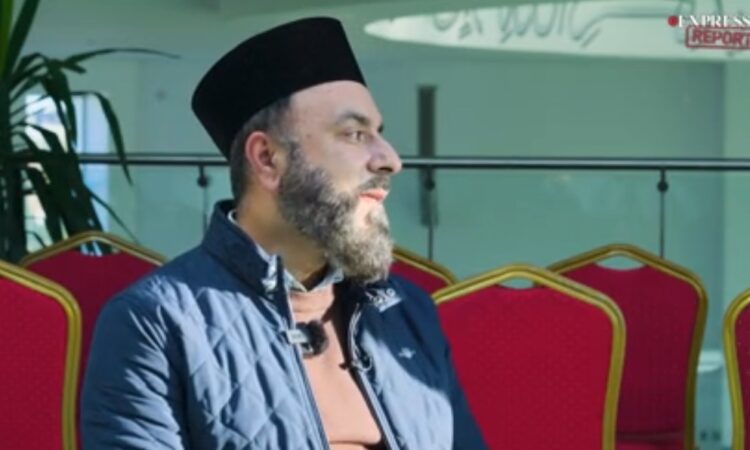
A Muslim imam has warned that banning cousin marriage in Britain will not stop people from marrying their relatives, as some may find ways to get around the law.
Imam Raza Ahmed, a member of the Ahmadiyya Muslim Community UK, said his religious community would respect and follow the law if the ban were introduced. However, he warned that others who strongly believe in cousin marriage might continue the practice.
He explained that some people could choose to have Islamic religious marriages, known as Nikah, without officially registering their marriages under British law.
According to him, this could create further problems, especially when couples face marriage difficulties, as they would not have the same legal protections as legally married couples.
Conservative MP Richard Holden previously introduced a proposal to ban marriage between first cousins in Britain. He raised concerns about the health risks faced by children born to closely related parents.
His proposal referred to a study which found that children born to closely related parents were twice as likely to develop certain serious genetic disorders.
However, the Ahmadiyya Muslim Community UK opposed the proposed ban, arguing that it failed to consider what the group described as the benefits of cousin marriage.
The organisation also pointed out that most children born to cousins were healthy and questioned why cousin marriage was being targeted when other activities, such as smoking and drinking alcohol, also carry health risks.
Mr Ahmed argued that some people had misunderstood the research. He also said that some of the researchers involved did not support introducing a law to ban cousin marriage.
A YouGov survey conducted earlier this year found that around eight in ten British people supported banning first-cousin marriage. The survey also found that a majority of British Pakistanis supported the ban, despite the practice being more common within parts of their community.
However, Mr Ahmed maintained that marriage should remain a personal choice. He suggested that couples should undergo genetic testing before getting married rather than facing a complete ban.
He also expressed concerns that banning the practice could make some communities feel unfairly targeted and discourage people from seeking medical advice from the NHS.
Some members of the Muslim community also expressed their opposition to the proposed law.
A young man named Raja said cousin marriages were encouraged in his community because relatives often trusted and understood each other better.
He also believed that marriages between relatives were less likely to break down. He said several members of his family had married their cousins and had healthy children.
Another man, whose parents were first cousins, believed the proposed ban was driven by anti-Muslim prejudice. He argued that people living in Britain should be free to practise their religion and that cousin marriage is permitted in Islam.
Meanwhile, Richard Holden strongly rejected the arguments made by those defending the practice.
The Conservative MP said he believed the majority of British people supported his proposal, including many members of the British Pakistani Muslim community.
He also claimed that his attempts to obtain information from the NHS had been blocked and that some researchers were afraid to speak openly about the issue.
Mr Holden dismissed suggestions that first-cousin marriages had benefits, arguing that the health risks should not be ignored.
He explained that the risks could become greater when close relatives continue marrying each other over several generations.
He also raised concerns about people who may face family pressure to marry their relatives rather than being allowed to choose their own partners.
The proposed ban has sparked debate over public health, religious freedom, family traditions and personal choice, with supporters calling for greater protection for future generations and opponents arguing that education and genetic testing would be a better approach.
Marriage between first cousins remains legal in Britain, and the proposed ban has not become law.