Taxpayers Angry After Finding Out What Could Happen to One of Four Islamist Terror Plotters Who Planned to Bomb British Army Barracks Using a Toy Car

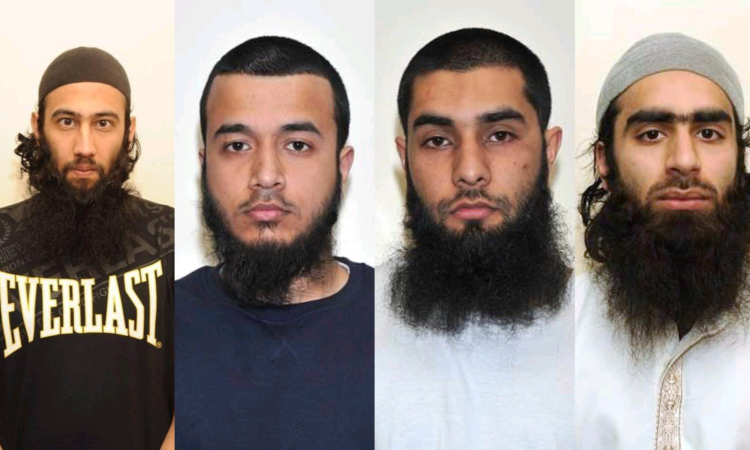
Four men who planned to bomb a British Army barracks using a remote-controlled toy car have cost UK taxpayers more than £500,000 in legal aid, new figures have revealed.
The four men were jailed in 2013 after admitting they were involved in planning a terrorist attack on a Territorial Army (TA) barracks in Luton.
Now, one of the main men behind the plot, Zahid Iqbal, 46, is hoping to be released from prison for a second time. However, the High Court will have to decide whether he is safe enough to return to the public.
Iqbal and Mohammed Sharfaraz Ahmed, 39, were both given sentences totalling 16 years and three months, including an extended period. The two other men, Umar Arshad, 38, and Syed Farhan Hussain, 35, received shorter prison sentences.
Arshad was jailed for six years and nine months, while Hussain received five years and three months.
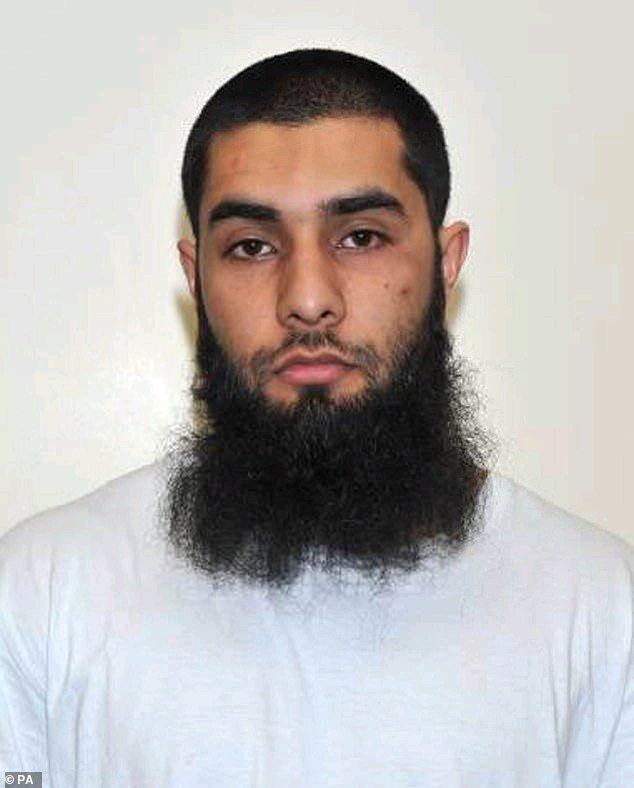
According to figures obtained by the Daily Mail through a Freedom of Information request, the government paid a total of £521,611.03 in legal aid to cover the four men’s legal representation.
The figures show that Zahid Iqbal’s legal bills came to £118,523.13, while Mohammed Sharfaraz Ahmed’s legal costs reached £58,901.73.
Umar Arshad’s legal representation cost taxpayers £172,821.83, while Syed Farhan Hussain’s legal bills totalled £171,364.34.
The figures have raised questions about how much public money was spent defending the men, who admitted preparing for acts of terrorism.
Iqbal was first released from prison in 2021 after serving half of his sentence. However, he was sent back to prison in April 2023 after police became concerned that he may have broken the conditions of his release.
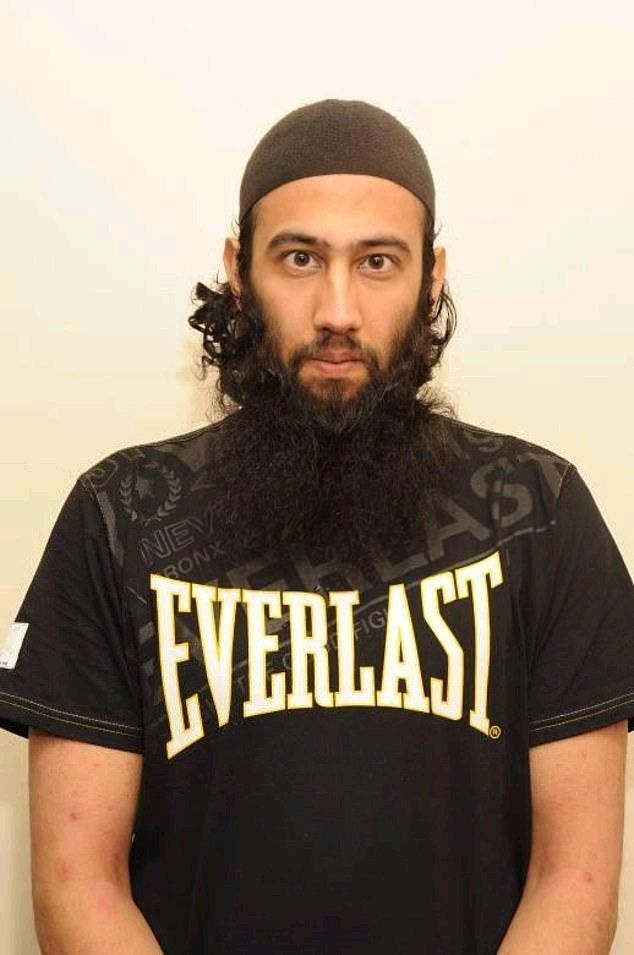
Authorities were reportedly worried that he had a book about the September 11 terrorist attacks and was using a secret mobile phone.
In February, the Parole Board announced that Iqbal was being considered for release again.
The decision caused concern among politicians and security experts, who questioned whether he was safe enough to return to society.
A psychologist involved in the case said she could not completely rule out the possibility that Iqbal was still communicating with extremists. However, she also said there was no other evidence showing that he continued to hold radical views.
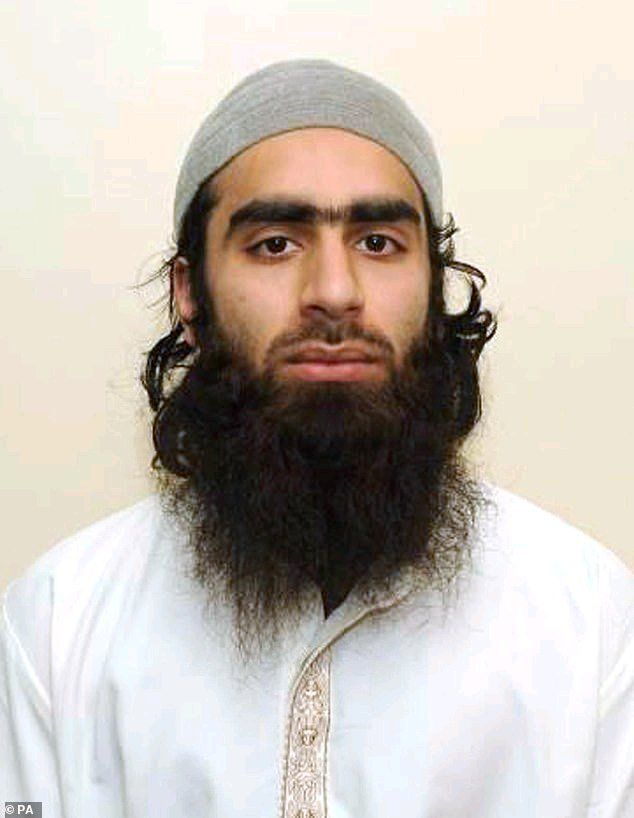
Following the concerns, the proposed release was referred for further review.
Former Justice Secretary David Lammy became involved after Conservative politicians raised objections to the decision.
Shadow Home Secretary Chris Philp and Shadow Justice Secretary Nick Timothy wrote to Mr Lammy, saying they were deeply concerned about Iqbal’s possible release.
They pointed out that both his prison offender manager and community offender manager believed he should remain behind bars.
Their concerns led to a review of the Parole Board’s decision, particularly whether enough evidence had been provided to explain why Iqbal should be released.
The case will now be considered by the High Court, which will examine evidence from experts before deciding what should happen next.
The Ministry of Justice has confirmed that Iqbal will remain in prison until the court makes its decision.
The original terrorist plot was uncovered after police and security services investigated the four men between January 2011 and April 2012.
During their planning, the gang discussed using a small remote-controlled toy car to carry explosives into a Territorial Army barracks in Luton.
They believed the toy car could pass underneath the entrance gate and reach a military vehicle inside the compound.
At Woolwich Crown Court in 2013, prosecutors played secret recordings of conversations between the men.
In one recording, Iqbal explained to Ahmed how he had driven past the TA barracks on Marsh Road and noticed a large gap underneath the gate.
He suggested that a small toy car could pass through the gap and carry an explosive device underneath one of the vehicles.
The court also heard that Iqbal and Ahmed had discussed making explosives using instructions from an al-Qaeda terrorist manual.
Iqbal had also arranged terrorism training in Pakistan and discussed obtaining weapons.
The four men were arrested following a joint investigation involving counter-terrorism police and the security service MI5.
They were also linked to the extremist group Al-Muhajiroun, which was associated with jailed extremist preacher Anjem Choudary.
All four men admitted preparing for acts of terrorism.
When sentencing them in April 2013, Mr Justice Wilkie described Iqbal as particularly dangerous because of his involvement in planning the attack.
Now, more than a decade later, the possibility of Iqbal being released again has caused fresh concerns.
Professor Anthony Glees, a security expert at the University of Buckingham, criticised the amount of taxpayers’ money spent on the men’s legal representation.
He said it was shocking that more than half a million pounds had been spent on legal aid for people involved in an al-Qaeda-inspired terrorist plot.
He also praised MI5 for stopping the planned attack before anyone was harmed.
Professor Glees said he hoped Iqbal had changed his beliefs during his time in prison and would stay away from extremism if released.
However, he questioned whether the large amount of public money spent on the men’s legal cases had been worthwhile.
The Ministry of Justice has defended the legal aid payments, explaining that the money was not given directly to the convicted terrorists.
A spokesperson said legal aid payments are means-tested and paid directly to solicitors and barristers who represent defendants in court.
The spokesperson explained that providing legal representation helps ensure trials are fair and reduces the risk of expensive appeals that could put convictions at risk.
The Ministry of Justice also stressed that protecting the public remains its main priority.
It confirmed that ministers had referred Iqbal’s case to the High Court because of concerns surrounding his possible release.
For now, Iqbal remains behind bars while waiting for the court to decide whether he can be released again.
The other three men involved in the terrorist plot, Mohammed Sharfaraz Ahmed, Umar Arshad and Syed Farhan Hussain, have already been released from prison.