UK Warned to Prepare for Possible World War 3 as Royal Navy Chief Reveals How Much Time Britain May Have Left to Get Ready

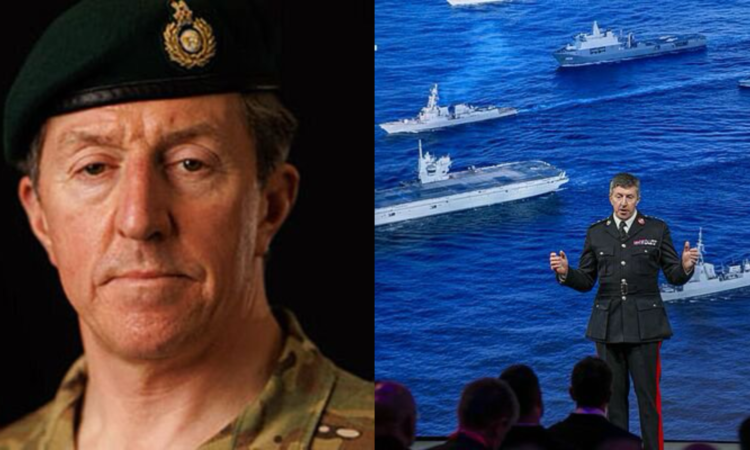
Britain has been warned that it may have less than three years to prepare for a possible war as the head of the Royal Navy reveals plans to strengthen the country’s naval forces amid growing fears of World War Three.
General Sir Gwyn Jenkins, the head of the Royal Navy, has warned that the world is becoming increasingly dangerous and that Britain must be ready to defend itself if a major conflict breaks out.
His warning comes at a time when tensions between powerful countries are rising. Recent US military strikes on Iran, cyberattacks across Europe and bomb threats at international airports have added to concerns about global security.
There are also growing worries about Russia and its military activities, particularly after a recent encounter between a Russian warship and the Royal Navy in the English Channel.
With these developments, Britain is facing increasing pressure to strengthen its armed forces, recruit more military personnel and invest in modern weapons and technology.
General Jenkins has now set a target of making the Royal Navy fully prepared for a possible conflict within the next 1,000 days, which is less than three years.
Speaking at the International Sea Power Conference, he explained that Russia remains a serious threat and could continue testing Britain’s military strength to see how the country responds.
He warned that Russia would continue looking for weaknesses, but stressed that war could still be avoided if Britain’s enemies believed the country was strong enough to defend itself.
According to General Jenkins, the best way to prevent war is to prepare for it.
He explained that Britain must strengthen its military, improve its technology, work closely with its allies and demonstrate that it is ready to fight if necessary.
The Navy chief also revealed that his plans include introducing more modern military technology, particularly naval drones, which could play an important role in future conflicts.
He said the Royal Navy’s preparations are focused on the period leading up to the end of this decade.
However, General Jenkins made it clear that he was not predicting that World War Three would happen within the next three years.
Instead, he said the world had become more unstable and that Britain could not afford to wait until a war started before preparing its military.
His warning comes amid reports that the Royal Navy is facing difficulties finding enough qualified officers to command its ships and submarines.
According to The Sun, not a single officer passed the Royal Navy’s submarine command training course, known as Perisher, in 2025.
There are also concerns about the number of officers qualified to command the Navy’s surface ships.
Reports suggest that fewer than 10 officers passed another important command qualification, known as CQ2, even though around 35 successful candidates are believed to be needed to maintain naval operations throughout the year.
These figures have raised questions about whether Britain has enough experienced military leaders to operate its warships and submarines if a major conflict occurs.
However, the Royal Navy has rejected suggestions that it does not have enough personnel to operate its vessels.
A Navy spokesperson insisted that the service continues to train and produce the skilled leaders needed to carry out its military duties.
Despite these assurances, General Jenkins’ warning highlights the growing concern among military leaders about Britain’s readiness for a possible future conflict.
While he has not suggested that war is certain, his message is that Britain must use the next few years to strengthen its defences and make sure the Royal Navy is ready to respond if the country’s security comes under threat.