Woman Who Came to Britain Seeking a Better Life Says She Regrets Her Decision After Revealing What UK Authorities Did to Her

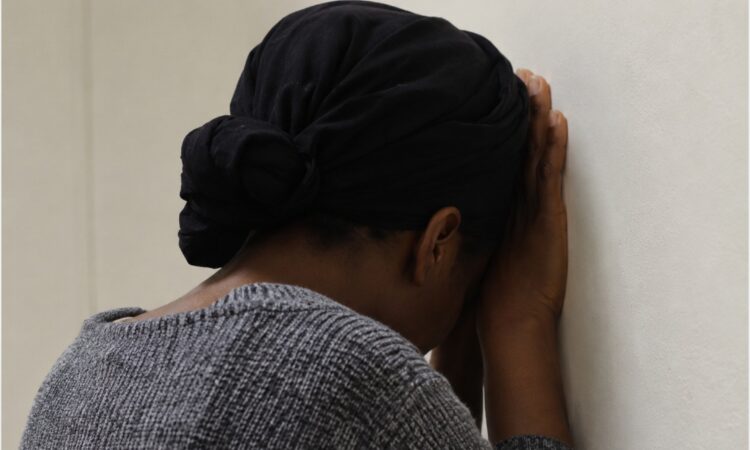
A woman who travelled to Britain hoping to escape violence and start a safer life has revealed why she later regretted coming to the country after going through a difficult experience with the UK’s asylum system.
The woman, identified as Gloria to protect her identity, came from the Democratic Republic of Congo, a country that has suffered years of conflict and violence.
Gloria had experienced terrible suffering before arriving in Britain. According to her account, armed men attacked her home and kidnapped her and her brother. Her brother was killed, while she was sexually assaulted and tortured.
After surviving the attack, Gloria managed to escape with the help of another person who arranged for her to travel to the UK.
She believed Britain would be a safe place where she could recover from what had happened to her and begin rebuilding her life. However, things did not turn out as she expected.
Instead of being allowed to settle into a safe environment, Gloria said she was taken into immigration detention shortly after arriving in Britain.
She explained that being detained was extremely difficult because she had already suffered serious physical and emotional injuries before leaving her home country.
Gloria said the detention centre felt more like a prison, even though she had not committed a crime. She struggled to understand why she was being treated that way when she had come to Britain seeking protection.
She described spending much of her time crying and struggling to eat because of the stress and fear she was experiencing.
Her situation eventually improved when a solicitor helped secure her release from detention.
After leaving the detention centre, Gloria was moved into temporary accommodation in Leeds before being transferred to another hostel in Wakefield.
However, her problems were far from over.
Her solicitor helped her appeal for asylum, but the application was rejected after several months.
Gloria said she was then put under pressure to sign documents she did not properly understand.
According to her account, she asked immigration officials for an interpreter because she could not speak or understand English well enough to know what she was signing.
She claimed her request was refused and that officials told her the paperwork was simply needed to confirm her nationality.
However, when she later read the documents in French, she discovered that they concerned arrangements for her removal from Britain.
This discovery left her deeply upset because she believed she had been misled about the purpose of the documents.
Gloria was later taken back into immigration detention, adding to the difficulties she had already experienced.
Her solicitor eventually secured her release again and helped connect her with Freedom from Torture, a charity that supports people who have survived serious abuse and violence.
The organisation arranged a medical examination to document the injuries and scars Gloria said she had suffered before leaving Congo.
This medical evidence helped her make another asylum appeal.
At the time she was interviewed, her case was still being considered, and she remained uncertain about whether she would be allowed to stay in Britain.
Gloria said the experience had affected her mental health badly. She struggled with fear, anxiety and uncertainty about her future.
She also revealed that she had experienced suicidal thoughts because of the difficulties she faced while going through the asylum process.
After everything she had been through, Gloria said she believed coming to Britain had been a mistake.
She explained that she had expected to find safety and protection but instead faced more problems than she had imagined.
Her experience was included in research carried out by Steve Taylor, a psychology lecturer at Leeds Beckett University.
The research involved interviews with 12 asylum seekers and refugees from Africa and the Middle East. The study was published in 2020, and the findings were later discussed in an article published by The Conversation in 2023.
The researchers wanted to understand what people had experienced before travelling to Britain and how their treatment within the UK asylum system affected their mental health.
They found that several participants had escaped serious violence, persecution or torture before arriving in Britain.
However, many said they continued to experience emotional distress because of immigration detention, long delays, rejected asylum applications and uncertainty about whether they would be deported.
Another woman interviewed for the research, identified as Angela, had fled Nigeria after an attack in which she said members of Boko Haram killed her husband and father.
Angela said she spent more than nine years waiting for a final decision about her future in Britain.
During that time, she lived in different detention centres, hostels and shared accommodation while relying on charities and other organisations for support.
She was eventually issued with a deportation notice, but a last-minute legal intervention stopped her removal.
The researchers said these experiences showed how people who had already suffered serious trauma could face further emotional difficulties while waiting for decisions on their asylum claims.
They also highlighted concerns about the length of time some people spent in the immigration system and the difficulties they faced accessing legal support.
When the allegations raised in the research were put to the Home Office, a spokesperson said officials could not investigate the individual claims because the identities of those involved had not been provided.
However, the Home Office said its staff received training to identify vulnerable asylum seekers and that the UK had safeguards designed to ensure protection was given to people who genuinely needed it.
The government also maintained that Britain had a strong record of providing protection to people fleeing persecution.
Gloria’s experience highlights the difficulties some asylum seekers say they have faced after arriving in Britain in search of safety.
Although she escaped violence in her home country, she said the uncertainty surrounding her immigration status and her experiences in detention left her questioning whether travelling to Britain had been the right decision.
Her story also raises wider questions about how asylum seekers who have survived serious violence should be treated while their applications are being considered.