
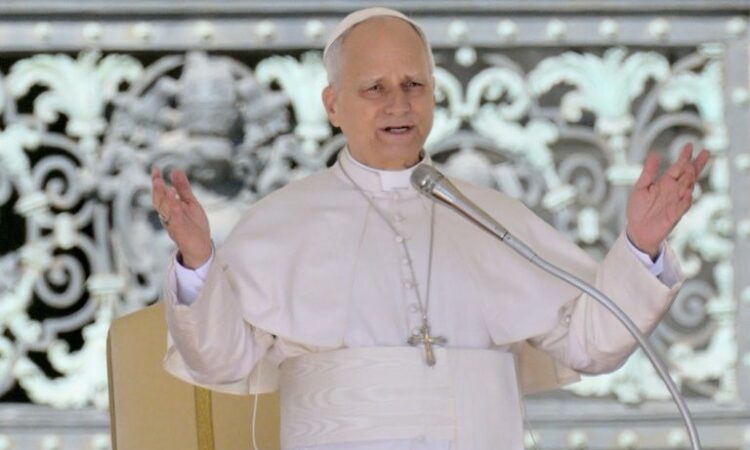
It got so serious that Pope Leo XIV decided not to go ahead with plans to visit the United States.
Relations between the U.S. government and the Catholic Church have been tense for months, especially since January. Around that time, a private meeting took place at the Pentagon between senior U.S. officials and a top Vatican representative. During that meeting, Elbridge Colby reportedly spoke very strongly, telling the Vatican that the United States has enough military power to act however it wants and that the Church should support its position.
According to reports, the tone of the meeting was harsh and uncomfortable. At one point, a U.S. official even brought up the Avignon Papacy—a time in history when political power was used to pressure and control the Catholic Church. This comparison alarmed people in the Vatican, as it sounded like a warning about what could happen if the Church did not cooperate.
This tension came shortly after the pope gave a major speech where he criticised world leaders who rely on force instead of dialogue. He warned that war is becoming more common again and said true diplomacy should be about discussion and agreement, not threats or violence.
Many U.S. officials, especially those close to Donald Trump, were unhappy with the speech and saw it as a direct attack on American policies, particularly military actions and aggressive foreign strategy.
Behind closed doors, they reportedly went through the pope’s speech line by line and treated it as a hostile message. This made the situation worse and deepened the divide between both sides.
There were also wider disagreements. The pope has openly criticised war, including threats to destroy entire nations, calling such ideas unacceptable and dangerous. Meanwhile, the U.S. government has defended its actions and denied that the Pentagon meeting was aggressive, saying it was respectful and normal.
Because of all this, trust between the Vatican and Washington has clearly been damaged. Reports say some Vatican officials were so concerned by the tone of the meeting and the historical comparison that they saw it as a possible threat.
In the end, the Vatican decided that the pope would not travel to the United States in 2026, even though many people had expected him to visit his home country.
Instead of going to the U.S., the pope has chosen to focus on other parts of the world, including places facing humanitarian challenges. This decision is being seen by many as a quiet but clear sign that relations between the Catholic Church and the U.S. government are not in a good place right now.