Why The Heck Does Donald Trump Dance Like THAT? Body Language Experts Decode His Moves

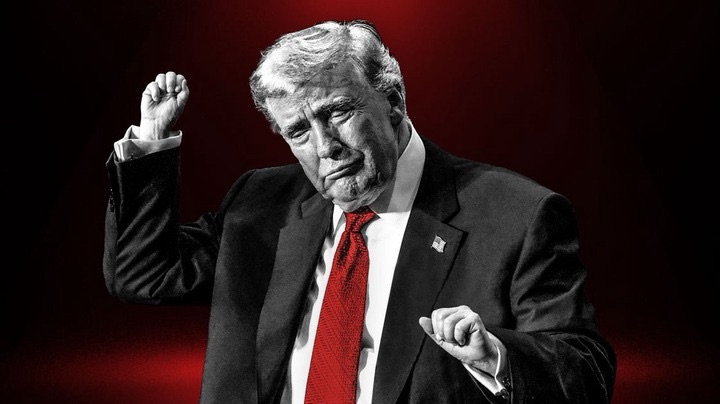
For years now, President Donald Trump has become known for a very specific dance move that people instantly recognize the moment they see it. At rallies and public events, he often stands on stage moving his bent arms back and forth with his fists tightly closed, usually while the song “YMCA” plays in the background. The dance has become such a regular part of his appearances that many people now connect it directly with his public image and political brand.
Body language experts say the dance is not just random movement. According to them, the way Trump moves sends a message about power, dominance, confidence, and control. They explained that his dance style reflects the same energy people often notice when he speaks. The movements are repetitive, simple, direct, and aggressive, which they believe matches his speaking style and personality.
One thing experts focused on was his clenched fists. They said tightly closed fists naturally create tension when people see them. Human beings often connect fists with fighting, strength, conflict, or authority. Because of that, seeing someone dance with closed fists instead of relaxed hands can make the performance feel intense rather than joyful.
Normally, when people dance, their hands are open and relaxed because dancing is usually connected to happiness, freedom, and emotional expression. But Trump’s dance is different. Experts say his fists make the dance look more like a victory pose or a display of power instead of a carefree moment. To them, it looks less like someone enjoying music and more like someone showing confidence and dominance to a crowd.
Some experts also believe the dance works as a form of crowd influence. They explained that people naturally copy the movements and behavior of leaders or groups they support. Since Trump’s dance is simple and easy to imitate, many supporters repeat it at rallies and events. Experts say this kind of behavior helps create a feeling of unity inside the crowd because everyone starts moving the same way together.
Another thing experts noticed is that Trump barely moves his feet while dancing. Usually, performers move around the stage, step side to side, or connect with different parts of the audience through movement. Trump, however, mostly stays in one place while moving only his upper body. According to body language specialists, feet often reveal comfort, confidence, and emotion more honestly than the rest of the body. Because his feet stay planted, they believe the dance appears controlled and stiff rather than loose and energetic.
His facial expressions also caught attention. Instead of smiling widely like most people do while dancing, Trump often appears serious, tense, or focused. Experts pointed out that he sometimes squints, grimaces, or presses his lips together tightly. They say this can make it seem as though he is putting effort into maintaining a powerful image even while dancing.
Some experts think the expression may be intentional because it helps him look tough, confident, or dominant instead of playful. Others believe it simply shows that the dance is more about performance and image than enjoyment. They explained that many people dance to express happiness, but Trump’s dance seems more connected to identity, branding, and crowd energy.
Experts also said people are fascinated by the dance because it is so predictable. Every time he does it, audiences already know what is coming — the music, the arm movements, the closed fists, and the stage presence. Yet people still pay attention to it because they are trying to understand what it reveals about his personality and leadership style.
According to body language specialists, movements can sometimes reflect a person’s emotional state or how they want others to see them. In Trump’s case, they believe the repeated dance gives people another glimpse into how he presents himself publicly — strong, dominant, confident, and in control.
Whether people find the dance funny, entertaining, awkward, or powerful, one thing is clear: it has become one of the most recognizable parts of Donald Trump’s public image.