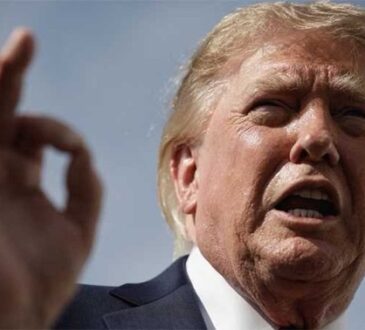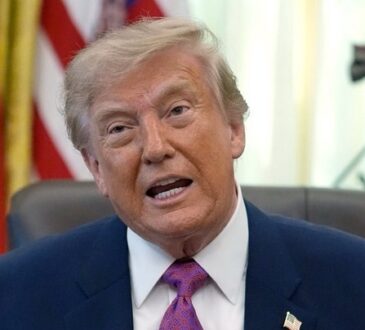

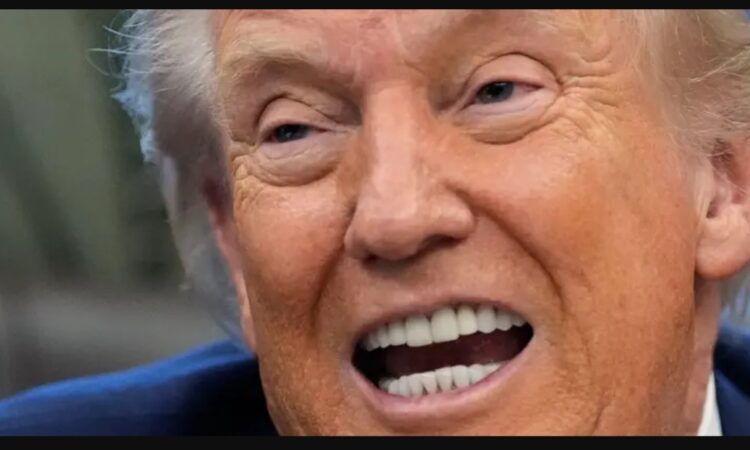
Donald Trump was seen waving to people as he arrived at a military base in Maryland, a scene that on the surface looked routine and confident. But behind that public image, some observers believe he may be facing one of the most serious challenges of his political life.
A writer who has followed him closely for years, Michael Wolff, thinks this moment could mark the start of a real decline in Trump’s power and influence. Wolff spent time around Trump’s circle during his first presidency and has written extensively about how he operates, how decisions are made, and how he reacts under pressure. Because of that, he believes he has a good sense of when things are going unusually wrong.
In this case, Wolff says the situation involving Iran is unlike anything Trump has dealt with before. In the past, Trump has often managed to push through scandals or crises by shifting attention, denying problems, or simply declaring that things were going well. According to Wolff, that approach may no longer work here, because the situation is too serious, too visible, and too difficult to spin in a positive way.
Wolff describes this as a kind of turning point, where the usual tricks and strategies stop being effective. He suggests that when a leader reaches this stage, it becomes much harder to regain control, because both the public and political allies start to lose confidence. Once that confidence is shaken, it can create a chain reaction where more criticism builds, more pressure grows, and fewer people are willing to defend or support the leader.
He also argues that Trump may not fully understand how to get out of this situation. Normally, Trump might try to present himself as strong and successful, even if events don’t fully support that. But Wolff believes that if Trump tried to claim victory in this case, it would likely be seen as unrealistic or even desperate, and could make the situation look worse instead of better.
At the same time, taking a tougher or more aggressive stance could also create problems. Wolff suggests that increasing pressure or conflict with Iran might not weaken them, but instead make them more determined and more willing to respond strongly. That could lead to a cycle where both sides escalate, making the situation more dangerous and harder to control, not just for the United States but for other countries as well.
Another concern Wolff raises is about how Trump might react personally if things continue to go badly. He suggests that when under extreme pressure, Trump could start blaming the people around him, including advisers, officials, or allies. In difficult moments, leaders sometimes look for others to hold responsible, and Wolff believes Trump might take that path, which could create more instability داخل his own team.
Wolff has built a reputation for making bold and often controversial claims about Trump. His book Fire and Fury painted a chaotic picture of life inside the White House and drew a lot of attention, both supportive and critical. Because of his writings, Trump’s team has repeatedly attacked him and questioned his credibility. For example, Steven Cheung has publicly dismissed Wolff in harsh terms, accusing him of making things up and being biased against Trump.
Despite that pushback, Wolff continues to speak out and share his opinions. He presents himself as someone offering an inside perspective on how Trump thinks and behaves, especially in moments of crisis. Supporters of Trump often reject Wolff’s claims, while critics of Trump sometimes see them as a warning sign of deeper problems.