
Wednesday turned into one of those days where multiple political stories collided at once, creating a wave of reactions across media, government, and online discussions. One of the biggest talking points was a decision tied to the U.S. Supreme Court, which immediately sparked arguments about fairness in elections and whether the system is being protected or manipulated.
Supporters and critics quickly took sides, with some saying the ruling helps maintain order, while others argued it could open the door to abuse. It added more fuel to an already tense political climate where trust in institutions is constantly being debated.
At the same time, attention shifted to a congressional hearing involving Pete Hegseth, where things reportedly became chaotic. What was supposed to be a structured discussion about serious national issues ended up turning into a messy exchange, with interruptions, unclear answers, and rising tension.
Reports suggested that it got so out of control that leadership had to step in and bring things back to order. Moments like that tend to raise questions about professionalism in government and whether serious issues are being handled the way they should be.
Another controversy continued to grow around Jimmy Kimmel, as some political voices tried to criticize him over a joke he made. What made the situation more complicated is that people pointed out similarities between his joke and something Donald Trump had said earlier in a completely different setting.
That comparison led to accusations of double standards, with critics asking why one comment caused outrage while the other did not. It became less about the joke itself and more about how different people are treated depending on who they are.
There is still ongoing confusion and discussion about what actually happened at the White House Correspondents’ Dinner. After reports of a security scare and conflicting information, many people are now questioning how much of the official narrative can be trusted.
Events like that tend to leave a lasting impact because they involve both safety concerns and public communication. When details don’t fully line up, it naturally leads to doubt and speculation.
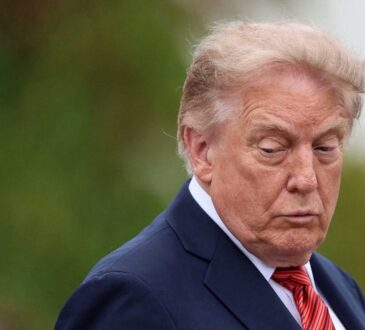
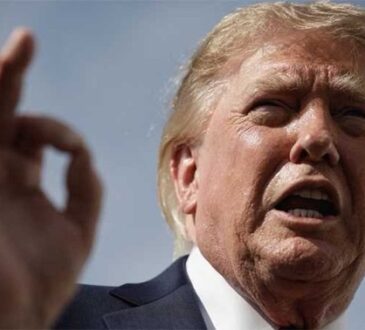
One moment that stood out during all of this was an interview involving Norah O’Donnell. She found herself in a tense exchange with Trump but remained calm and focused, continuing to ask direct questions even as the conversation became uncomfortable.
A short response from her during the interview quickly gained attention, with many people praising her for not backing down. It showed how powerful a simple, well-timed question can be, especially when dealing with someone who is known for dominating conversations.
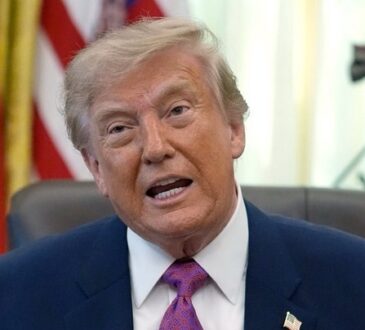
During that same interview, Trump claimed he had read a document connected to a recent incident, but critics quickly pointed out that his comments didn’t fully match what was publicly known about it.
That raised doubts about whether he had actually reviewed the material or was speaking more generally. Situations like that often highlight the importance of accurate information and the role journalists play in challenging statements that don’t seem to add up.
In the legal world, E. Jean Carroll saw another major development in her case against Trump. A federal appeals court rejected his attempt to revisit the earlier ruling, which means the original decision remains in place.
That decision had already awarded her $83 million in damages after a jury found that Trump’s statements about her were defamatory. The case continues to be one of the most talked-about legal battles connected to him, not just because of the money involved, but because of what it represents in terms of accountability and the legal system.
At the state level, L. Louise Lucas became a central figure in another political fight. She faced heavy criticism online while standing against efforts related to redistricting.
These kinds of battles are often intense because they can directly affect who holds power in future elections. The backlash she received also highlighted how quickly political disagreements can turn personal, especially on social media.
There is also continuing attention on the so-called Epstein files, which remain a highly sensitive and controversial topic. Discussions about those records often lead to strong reactions, with different groups arguing over what the documents reveal and how they should be interpreted.
Some critics believe that attention is being redirected away from those files by focusing on other issues, while others argue that the situation is being exaggerated for political reasons. Either way, it remains a subject that people keep returning to, especially when new claims or discussions appear.
Another development involved Pam Bondi, who is expected to respond to a congressional subpoena. There is a lot of curiosity about what she might say and whether her testimony could bring new details into the public space. Situations like this often carry legal risks, especially when testimony is given under oath, which is why they tend to attract so much attention.
When you look at everything together, it becomes clear how intense and fast-moving the political environment is right now. Multiple major stories are happening at the same time, each one adding pressure and shaping public opinion in different ways.
From court decisions and legal battles to media controversies and government hearings, it all blends into one continuous cycle of headlines, reactions, and debates that keeps people watching closely to see what happens next.