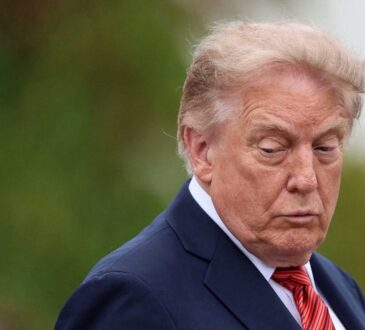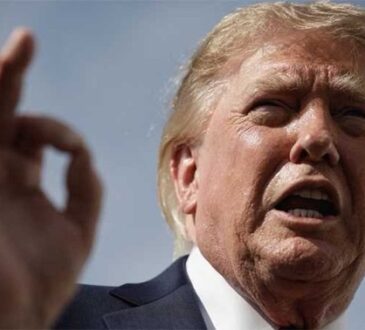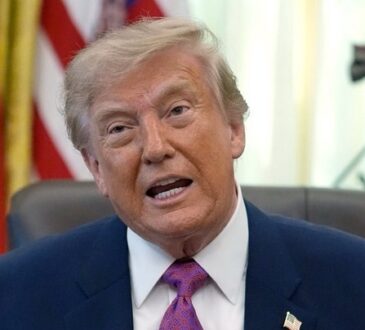

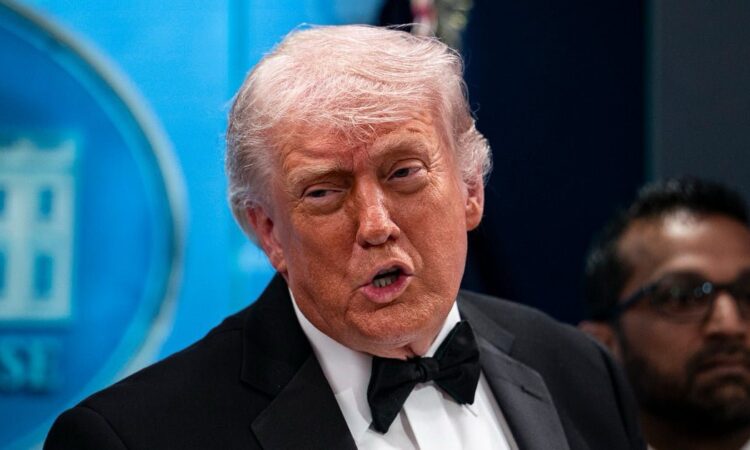
Donald Trump went on to explain in more detail that in that moment, his instinct was not to immediately run or panic, but to stay aware of what was happening around him.
He described it as a mix of curiosity and confidence, saying he wanted to understand the situation instead of just being rushed away without knowing anything. Even as security agents moved in quickly, he said he kept trying to slow them down slightly by asking questions and looking around, almost as if he was trying to assess the danger for himself.
Speaking again during the 60 Minutes interview with Norah O’Donnell, he made it clear that he trusted the Secret Service, but at the same time, he didn’t want to feel completely out of control.
He repeated that he kept saying things like “wait” because he wanted to see where the sounds were coming from and whether the threat was close or already under control. In his words, it wasn’t fear that slowed him down, but a desire to understand the situation before being moved.
Inside the ballroom at the White House Correspondents’ Association Dinner, the shift in atmosphere was immediate and dramatic. One moment, people were laughing and watching Oz Pearlman perform tricks on stage, and the next, there was confusion, fear, and uncertainty.
Some guests froze in their seats, while others quickly ducked under tables or looked around trying to figure out what was going on. The sound that echoed into the room was enough to make it clear that something serious had happened outside.
As the tension grew, Secret Service agents moved with increasing urgency. Their training kicked in instantly, and they began forming a protective circle around the president and his wife, Melania Trump.
At first, their movements were controlled and calculated, but as more information came in, their pace picked up. Their main goal was to remove the president from any possible danger as quickly as possible, even if it meant physically guiding or pushing him to move faster.
Trump, however, described how he resisted that urgency slightly. Not in a confrontational way, but enough to make the process slower than usual. He said he felt surrounded by highly capable people and believed they had the situation under control, which gave him the confidence to pause and observe. Still, he admitted that looking back, it may have been a more serious threat than he initially thought.
At the same time, JD Vance experienced a much faster evacuation. Agents didn’t wait or give him time to react.
They quickly grabbed him while he was still seated and moved him out almost immediately. This contrast made it even more noticeable that Trump’s removal took longer, largely because of his own actions.
Trump also shared that during the evacuation, agents instructed him and Melania to get down on the floor as a precaution. This is a standard safety measure during potential active threats, meant to reduce visibility and exposure.
They followed the instruction briefly before being helped back up and escorted out of the room to a secure holding area where they could stay protected while the situation was being assessed.
In the aftermath, the incident has raised serious questions about how security was handled at such a high-profile event.
The United States Secret Service is known for its strict protocols, especially when protecting the president. The fact that shots were fired so close to the event has led to concerns about how the suspect was able to get near the venue in the first place.
Because of this, officials have said there will be a full review of security arrangements for future events involving top government leaders.
This includes looking at entry points, screening procedures, and how quickly threats are detected and handled. The goal is to make sure that in the future, situations like this are responded to even faster, with no delays or uncertainties.