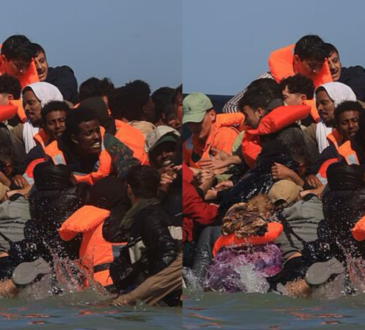
Illegal Migrants Planning to Cross the English Channel to Britain Are Seen Buying Dozens of Lifejackets, but Where They Are Buying Them From Has Raised Eyebrows

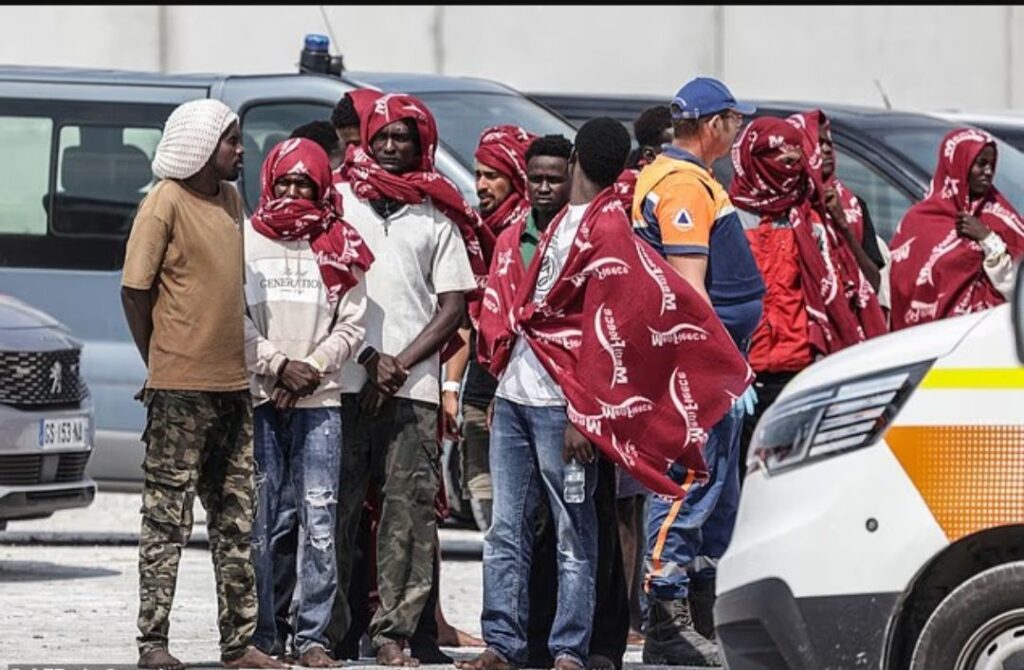
Thousands of migrants continue to gather in northern France as they wait for a chance to cross the English Channel and reach Britain.
The situation is different from what recently happened in Spain, where around 60,000 asylum seekers reportedly tried to cross from Morocco into the Spanish city of Ceuta. In northern France, the movement towards Britain is happening more gradually, but the journey remains extremely dangerous.
For years, areas around Calais and Dunkirk have been important locations for migrants hoping to reach the UK. Some have travelled thousands of miles after leaving their home countries, while others say they are escaping war, violence or persecution.
Many migrants are now living in temporary camps or sleeping outside while waiting for an opportunity to cross the Channel. Around 700 migrants are reportedly sleeping rough in Calais, while thousands more have been staying in tents around Grande-Synthe and Loon-Plage near Dunkirk.
One thing many of them need before attempting the dangerous journey is a lifejacket.
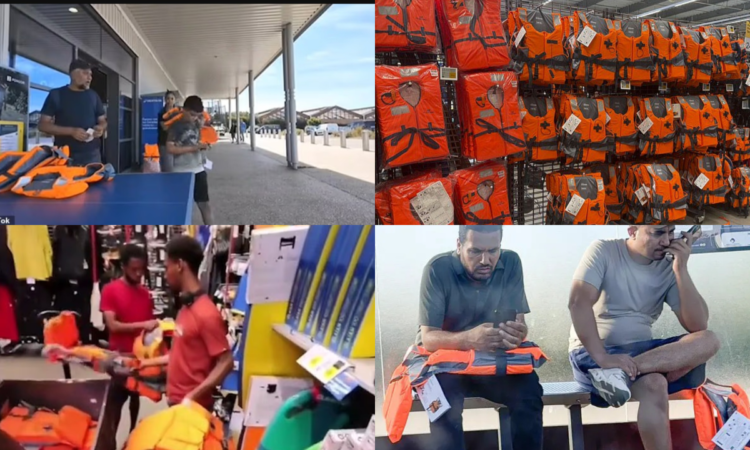
A Daily Mail investigation found migrants travelling to Decathlon sports shops in Dunkirk and Calais to buy lifejackets before attempting to cross the Channel.
During a visit to Dunkirk, reporters saw men, women and children walking from areas where migrants were staying towards a nearby bus stop. Some travelled by bus to a Decathlon store about five kilometres away.
Outside the shop, two men believed to be migrants were seen waiting with lifejackets. They appeared to have gone to the shop specifically to buy the safety equipment.
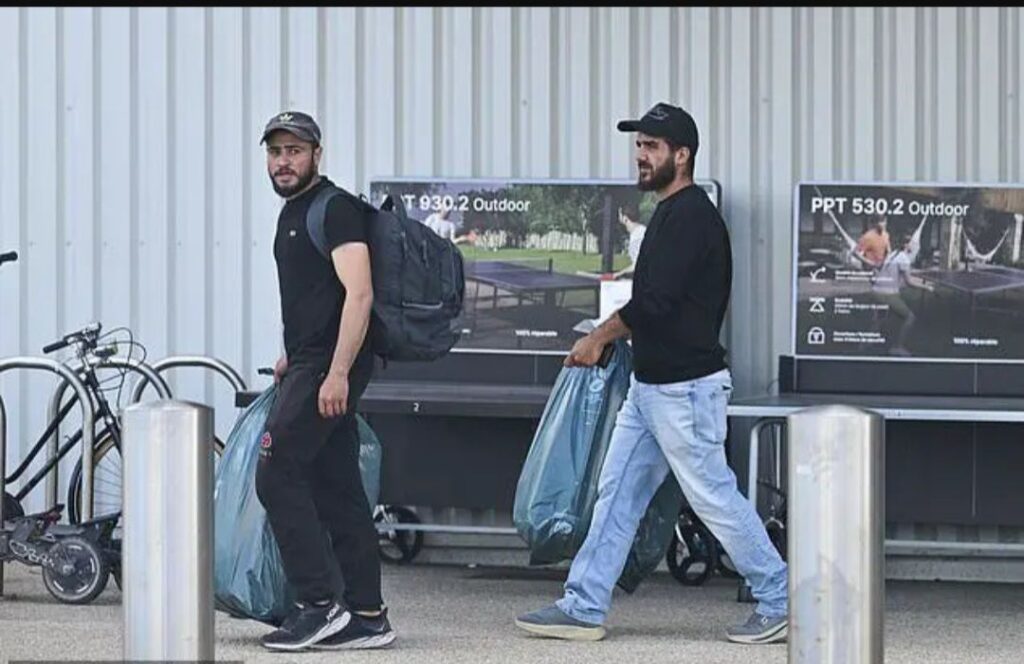
Reporters later spoke to two Iraqi men who had bought around a dozen lifejackets each. The jackets had been placed inside large grey bags.
When the men were asked whether they had bought the lifejackets for a small-boat journey to Britain, they answered yes. One of them said they were travelling with family members and explained that the lifejackets were not all for him.
He said they had already travelled a very long distance and had been waiting in France for about two months for an opportunity to cross.
Another man was seen leaving the same store with at least ten lifejackets. He placed them inside large bags before carrying them away. Other groups were also seen leaving with bags that appeared to contain several lifejackets.
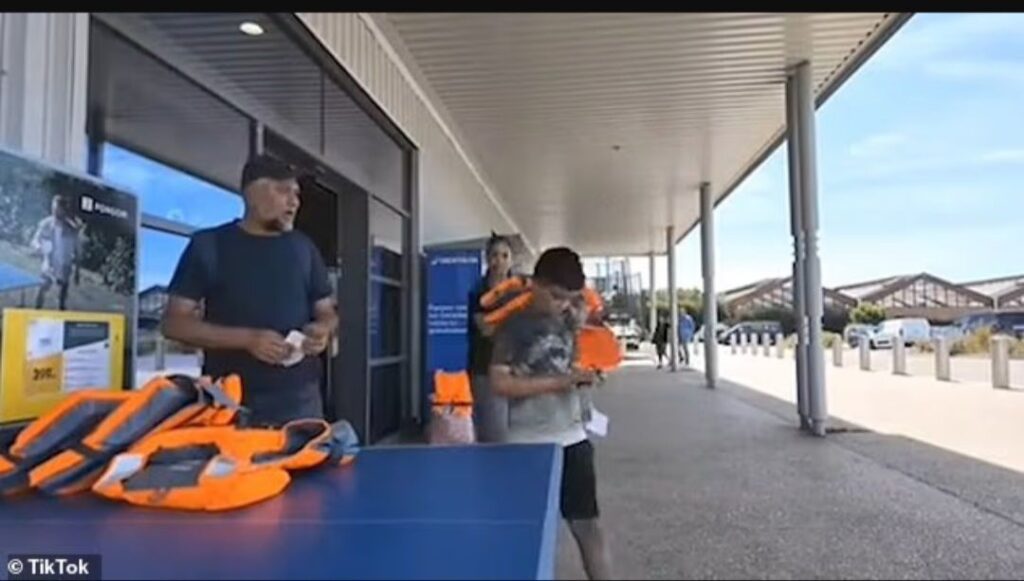
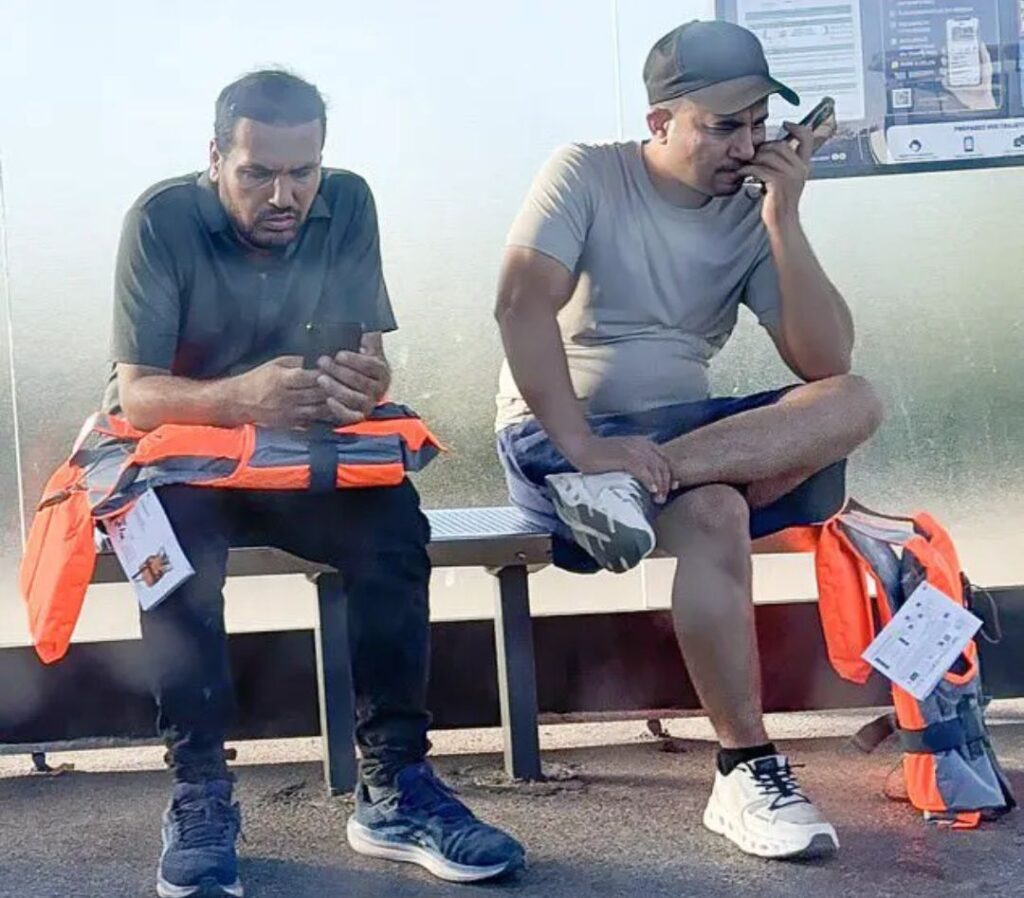
The investigation suggested that purchases sometimes happened close together, possibly because people were preparing for a planned crossing. During three days of visits to the Dunkirk store, the lifejacket purchases witnessed by reporters happened on the same day and within a relatively short period.
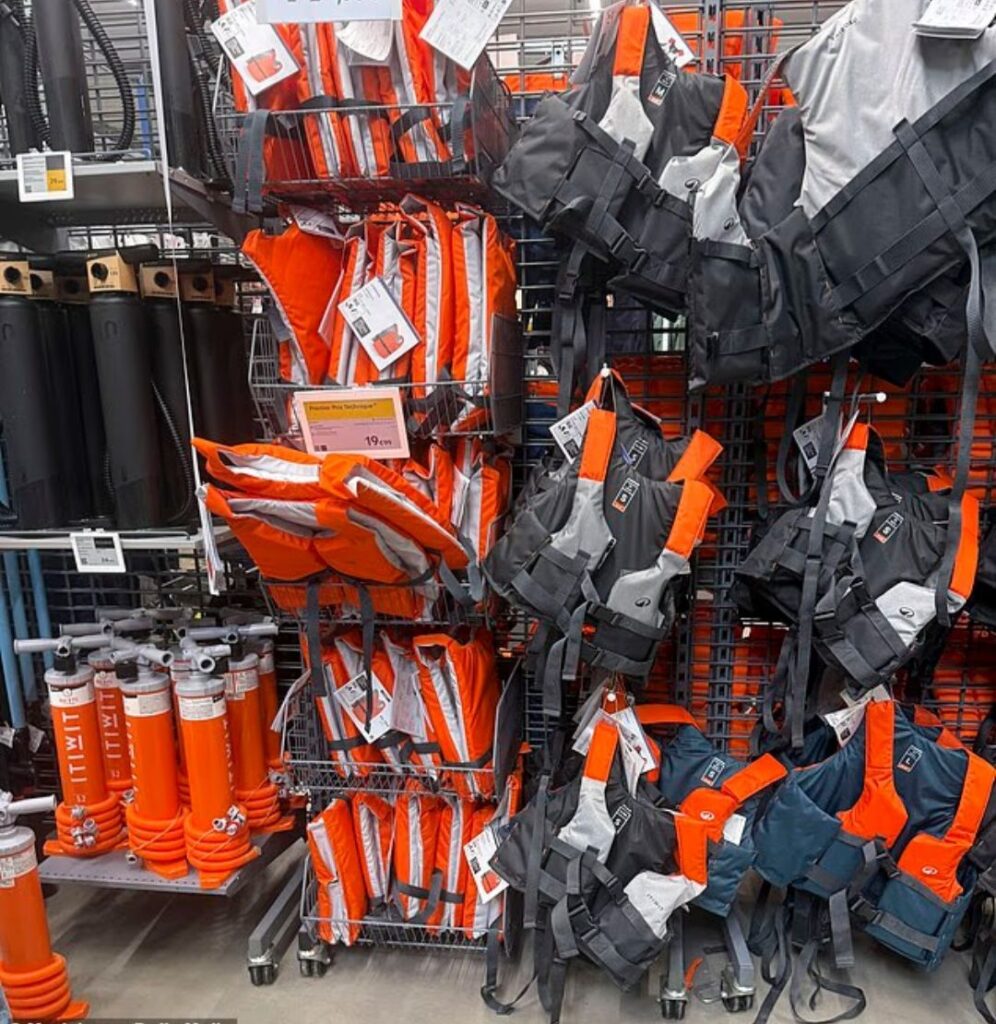
Inside the shop, customers could choose from several types of lifejackets. Prices started at €17.99 for a basic model and went as high as €89.99 for more advanced versions.
Some models were available for €19.99, €29.99 and €34.99. More expensive gas-powered versions were also available.
The safety warning written on many of the lifejackets made clear that wearing one can reduce the risk of drowning but cannot guarantee that someone will be rescued.
Decathlon has previously said that it does not sell lifejackets in bulk. However, reporters said the shelves at the Dunkirk store appeared to contain plenty of stock, and additional boxes of lifejackets were brought out during their visit.
The company previously stopped selling inflatable boats around Calais and Dunkirk in 2021 because it said some products were being misused for Channel crossings. However, it continued selling products intended to improve safety at sea, including lifejackets.
At another Decathlon store in Calais, reporters found fewer lifejackets than in Dunkirk. However, two-person inflatable kayaks were reportedly available.
Videos shared on social media have also shown people leaving the Dunkirk store carrying several lifejackets.
In one video, two British men approached people carrying bags filled with lifejackets and asked where they were going. One man reportedly said he planned to travel to the UK with his family.
Another group was filmed buying around ten lifejackets before carrying them away from the shop on foot. Some people refused to answer questions about whether they planned to use them for a Channel crossing.
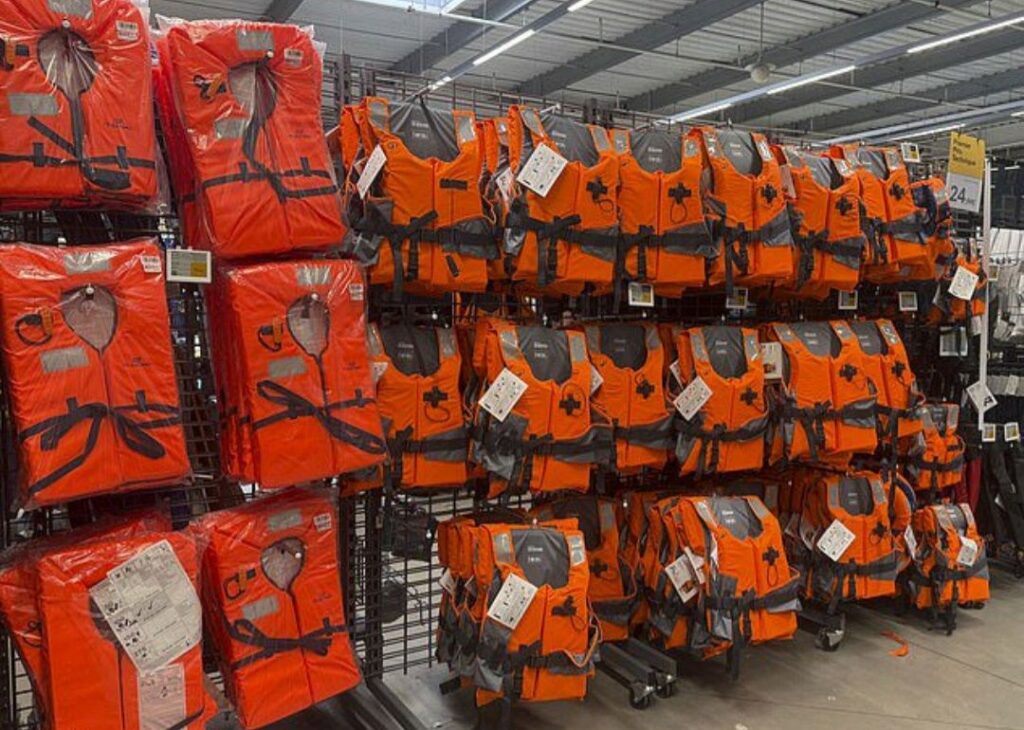
The sale of lifejackets to migrants has caused political arguments.
Chris Philp, the shadow home secretary, has previously criticised Decathlon for selling lifejackets to people believed to be preparing for small-boat crossings.
Natacha Bouchart, the mayor of Calais, has also raised concerns. She acknowledged that lifejackets can save lives but argued that their sale can also become connected to the wider people-smuggling system.
Guy Allemand, the mayor of Sangatte near Calais, has also criticised the practice.
However, organisations helping migrants say removing lifejackets from shops will not stop people from attempting to reach Britain. They argue that people who have already travelled long distances may still attempt the journey, with or without proper safety equipment.
The dangers of crossing the Channel were highlighted again recently when an overcrowded inflatable boat carrying 173 migrants caught fire shortly after leaving the French coast near Boulogne-sur-Mer.
Everyone on board was forced into the water as rescue teams responded. British and French vessels took part in the operation, and all 173 people were rescued. Some passengers reportedly suffered minor burns, but no deaths were reported.
Small-boat crossings remain a major issue for the British government. According to the figures given in the report, 14,526 migrants had reached the UK by small boat so far this year. That was reported to be 43 per cent lower than at the same point in 2025 and 14 per cent lower than the same period in 2024.