Here Are the Ages of People Who Could Be Called Back to Serve in the British Army Under the UK Government’s New War Plans

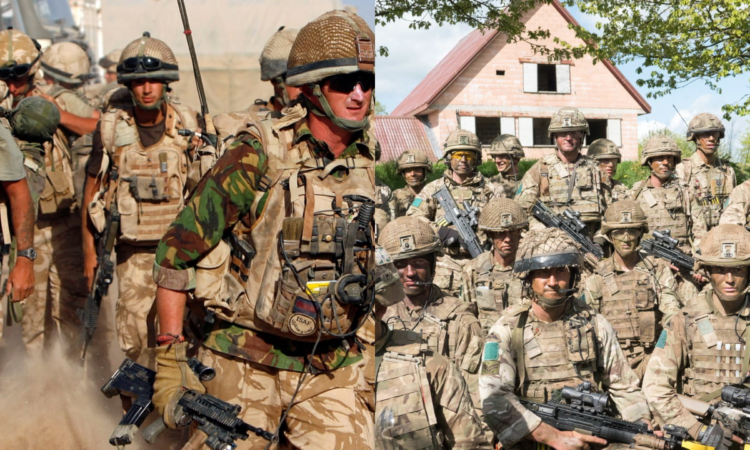
British military veterans aged up to 65 could be called back to serve their country if Britain becomes involved in a major war, including a possible Third World War.
The Labour Government has announced plans to increase the age limit for recalling former military personnel as part of efforts to prepare Britain for possible future conflicts.
Under the proposed changes, the maximum age for certain military veterans who can be called back into service would rise from 55 to 65. This means some former soldiers who are approaching retirement age could be asked to return to military duties if the country faces a serious threat.
The announcement comes at a time when concerns about global security are growing, with tensions between major world powers raising questions about whether Britain is properly prepared for a future war.
The Government believes that former soldiers, even those in their 60s, could still play an important role in protecting the country because of the training, knowledge and experience they gained during their years in the Armed Forces.
The changes would affect the Strategic Reserve, which includes former military personnel who may still be required to return to service under certain circumstances.
There are two main groups within this reserve. The first includes former regular military personnel who still have responsibilities to train or return when needed. The second includes veterans who can legally be recalled during serious national emergencies.
The Government wants to make it easier to bring these experienced people back into service when necessary.
Another important change is that Britain would no longer have to wait until the country faces an actual attack or a major national emergency before recalling eligible veterans.
Instead, the Government wants to allow former military personnel to be called back during what it describes as “war-like preparations”.
This means the military could begin bringing back experienced veterans while preparing for a possible conflict, rather than waiting until fighting has already started.
The proposed changes are included in the Armed Forces Bill and are expected to take effect in spring 2027.
However, the Government has made it clear that people who have already left the military will not automatically be affected by the new rules unless they choose to join the arrangements.
The aim is to make sure Britain has enough experienced personnel available if the country suddenly needs to strengthen its military.
Lieutenant General Paul Griffiths, who announced the plans in January, explained that former military personnel have valuable skills that could help Britain during a crisis.
He said many veterans have experience in important areas such as intelligence, cyber security, medicine and communications.
According to him, allowing these people to return quickly would improve Britain’s ability to respond to threats and would bring the country closer to the approach being taken by other NATO members.
It is estimated that around 95,000 former military personnel currently have some form of responsibility to return to service if required.
However, the Ministry of Defence does not publish complete figures showing how many veterans belong to the Recall Reserve.
The Government is also preparing a major military exercise involving retired personnel to test how quickly Britain could respond to a serious national emergency or war.
The exercise is expected to help military leaders understand whether the country has enough people, equipment and resources to deal with a major conflict.
Some former soldiers have already expressed their willingness to return if Britain needs them.
Defence expert Nicholas Drummond, who previously served in the British Army, said he would be among those eligible for recall under the proposed changes.
He explained that many former soldiers who served during the Cold War would be prepared to help their country again.
According to him, military service is something many veterans continue to take seriously, even years after leaving the Armed Forces.
He also believes that former soldiers in their 60s could still make an important contribution because many have retained useful military skills.
For example, some could help train younger soldiers, teach recruits how to handle weapons safely or provide support in areas where their experience is needed.
This means older veterans would not necessarily be expected to fight on the front line. Instead, they could be given duties that match their physical abilities, training and experience.
The plans have also raised questions about whether Britain could eventually introduce compulsory military service.
Although recalling former soldiers is not the same as forcing ordinary members of the public to join the military, some people believe the changes show how seriously the Government is taking the possibility of a future war.
There have been growing calls for Britain to increase the size of its Armed Forces, particularly because of concerns about military recruitment and the country’s ability to respond to a major international conflict.
However, the Ministry of Defence has repeatedly said that it has no plans to introduce compulsory military service.
The Government says its priority remains strengthening Britain’s professional Armed Forces and making better use of the experience already available among former military personnel.
For now, the proposed changes do not mean that every British citizen aged 65 or younger could be forced to join the Army.
They are mainly aimed at certain former military personnel who remain eligible for recall under military rules.
Nevertheless, the decision to increase the age limit and allow earlier mobilisation shows that Britain is taking additional steps to prepare for the possibility of a serious military crisis.
With international tensions continuing to cause concern, the Government hopes that having more experienced veterans available will help the country respond more quickly if its security is threatened.