Five British Men Travel to France in a ‘Battle Bus’ to Stop Migrants Crossing to the UK, But What French Police Did Next Left Them in Shock

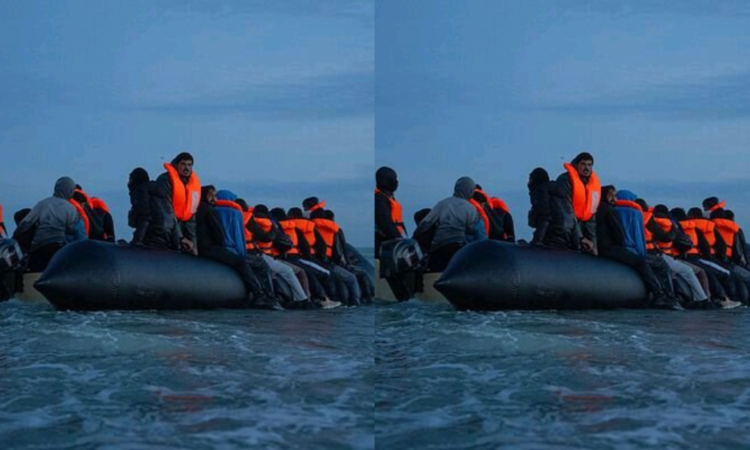
Five British men have been arrested in France after allegedly travelling along the French coast in a special minibus to confront and frighten migrants trying to cross the English Channel into the UK.
The men, aged between 30 and 46, were arrested by French police in Grande-Synthe, near Dunkirk, on Thursday. During a search of their vehicle, officers reportedly discovered tear gas, pepper spray and a baton.
The minibus had reinforced windows and was reportedly nicknamed the “battle bus” by the men using it.
French authorities described the five men as members of a far-right group. They were accused of travelling to areas where migrants gather before attempting dangerous journeys across the Channel to Britain.
According to the authorities, the men were also broadcasting some of their activities live on social media, allegedly showing themselves confronting and intimidating migrants.
Officials in the Hauts-de-France region announced the arrests and made it clear that France would not accept activities that encouraged hatred, threats or violence against people.
Police suspected the men of being involved in a group preparing to carry out violence and of carrying weapons without a lawful reason.
However, despite the seriousness of the allegations, the five men will not face criminal prosecution after reaching an agreement with the French authorities.
Instead, a judge ordered them to stay away from the northern French areas of Nord and Pas-de-Calais for six months.
Each man was also ordered to pay €500, approximately £418, to an organisation that supports migrants. The weapons discovered inside their vehicle were confiscated.
Local prosecutor Charlotte Huet confirmed that officers had found tear gas, pepper spray and a baton during the investigation.
Under French law, people are not allowed to carry such weapons without a legitimate reason.
If the men had been prosecuted and found guilty, they could have faced prison sentences and heavy fines.
Some of the offences being investigated carried possible penalties of up to one year in prison and a €15,000 fine. Carrying weapons unlawfully as part of a group could have resulted in up to two years in prison and a €30,000 fine.
The latest arrests come as French authorities continue to deal with British anti-immigration activists travelling across the Channel to confront migrants.
In recent months, several British groups have travelled to northern France, saying they want to stop migrants from entering Britain illegally by crossing the English Channel in small boats.
However, French officials have accused some of these activists of threatening migrants, causing trouble and interfering with police operations.
Earlier in January, 10 British nationals linked to the anti-immigration group Raise the Colours were banned from entering France.
French authorities described them as far-right activists and accused them of encouraging hatred and violence against migrants over several months.
Four members of that group were also accused of being involved in physical and verbal attacks in Grand-Fort-Philippe in September.
In another incident in January, two British men were arrested and deported from France after authorities suspected them of preparing to take part in anti-migrant activities in Calais.
The men were reportedly connected to a campaign called Operation Overlord, which focused on stopping migrants attempting to reach the UK.
Some British activists have openly described themselves as “migrant hunters” and have travelled to beaches and other areas where migrants prepare to board small boats.
Their activities have sometimes led to confrontations with French police, who are responsible for maintaining order and dealing with illegal Channel crossings.
French Interior Minister Laurent Nunez has criticised the activities of these groups, accusing them of threatening public safety and making police work more difficult.
Reports also suggest that some activists have been using social media to raise money for their trips to France.
They reportedly film their encounters with migrants and police officers before uploading the videos to Instagram and YouTube, where some earn money from views and online supporters.
Meanwhile, migrant support organisations have raised concerns about the behaviour of some British activists operating along the French coast.
Workers from Utopia 56, an organisation that helps migrants, said they had witnessed some activists making Nazi salutes during their visits.
The organisation also reported that the number of British anti-migrant activists travelling to northern France has increased over the past two years.
The situation has added to tensions along the French coast, where thousands of migrants continue to attempt dangerous journeys across the English Channel in the hope of reaching Britain.
While some British campaigners argue that they are trying to stop illegal migration, French authorities have made it clear that individuals cannot take the law into their own hands or use threats and intimidation against migrants.
For the five men arrested near Dunkirk, the agreement means they have avoided a criminal trial, but they must now obey the six-month ban on entering the two northern French departments.
The case has once again brought attention to the growing involvement of British anti-immigration groups in activities on the French side of the English Channel.