The obvious reason Andy Burnham must stop the boats Migrants now – but nobody is talking about it

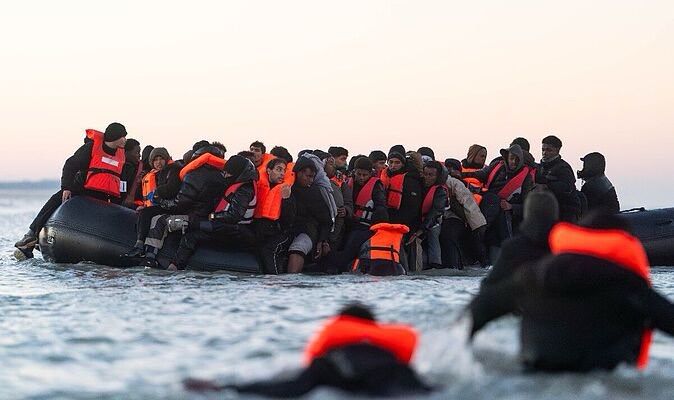
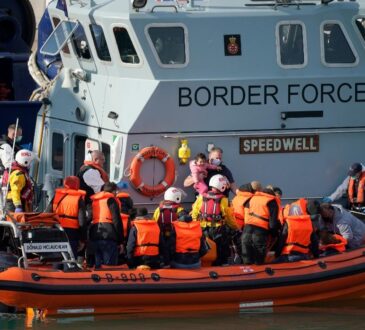
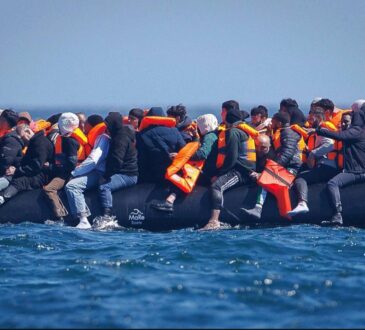
People across Britain have different opinions about migrants crossing the English Channel in small boats. Some believe the UK should welcome people seeking safety, while others want the government to introduce tougher immigration rules. However, journalist Richard Ashmore believes there is one serious problem that politicians are not paying enough attention to: the number of men, women and children who have lost their lives trying to reach Britain.
According to figures from the International Organization for Migration (IOM), more than 380 people have died attempting to cross the Channel since 2014. Among those who lost their lives were at least 43 children, 31 women and more than 300 men.
Ashmore argues that while politicians continue to disagree about immigration, people are still risking their lives on dangerous journeys across one of the world’s busiest shipping routes.
The debate has become even more heated following plans to accommodate around 1,250 male asylum seekers in Piddington, a village in Oxfordshire.
Some residents have raised concerns about the proposal, particularly regarding the safety of their families and the possible impact on their community.
During a recent discussion on LBC, broadcaster Matthew Wright criticised a local father of three named Jamie, who opposed the plans.
Wright argued that Britain had played a role in creating some of the problems that forced people to leave their countries. He suggested that British military involvement overseas was one reason migrants were seeking refuge in the UK.
However, Ashmore questioned this argument, pointing out that asylum seekers also come from countries such as Albania, Eritrea, Vietnam and Pakistan, where Britain has not carried out recent bombing campaigns.
He acknowledged that Britain has a long history of helping people escape war, violence and persecution.
One example he highlighted was Sir Nicholas Winton, a British humanitarian who helped rescue 669 mainly Jewish children from Nazi-controlled Czechoslovakia in 1939.
The children were brought to Britain before the outbreak of the Second World War, saving many of them from the horrors of the Holocaust.
Other rescue operations, known as the Kindertransport, helped bring around 10,000 children from Germany, Austria and Czechoslovakia to safety in Britain.
Ashmore said these events showed how Britain had previously helped vulnerable people escape danger.
He believes the country should continue protecting people who genuinely need help, but argues that the current system is allowing dangerous journeys to continue.
Unlike the organised rescue operations of the past, he said today’s small boat crossings are often controlled by criminal smuggling gangs that make money from people desperate to reach Britain.
These gangs charge migrants large amounts of money to travel across the Channel in overcrowded inflatable boats.
According to Ashmore, the smugglers are mainly interested in making money and do not care enough about whether the passengers survive.
He expressed particular concern about children who are taken on these dangerous journeys by adults.
The figures showing that at least 43 children have died since 2014 were especially troubling to him.
He argued that if someone had told the British public in 2012 that hundreds of people, including children, would die trying to cross the Channel over the following years, many would have found it difficult to believe.
Ashmore questioned why the deaths were not receiving as much attention as political arguments about immigration.
He said politicians from different parties had offered several ideas for stopping small boat crossings, but he did not believe these proposals were properly addressing the danger faced by migrants.
The Conservatives have proposed leaving the European Convention on Human Rights, arguing that the current legal framework makes it harder to remove some migrants who have no right to remain in Britain.
Reform UK has suggested using the Royal Navy to prevent small boats from reaching British shores.
Meanwhile, Labour politicians have supported closer cooperation with France to tackle people-smuggling gangs and reduce dangerous crossings.
Ashmore referred to figures showing that 475 migrants had arrived by small boat during one week, while around 18,000 had reportedly made the journey so far that year at the time covered by his article.
He argued that despite government promises and new immigration policies, people were still putting their lives at risk.
In his view, the government should introduce emergency legislation preventing anyone who enters Britain illegally by small boat from making an asylum claim.
He believes such a law would discourage migrants from paying smugglers because they would know that reaching Britain by boat would not give them an opportunity to claim asylum.
Ashmore also argued that parents might be less willing to take their children on dangerous journeys if they believed there was no possibility of receiving asylum after arriving.
He suggested that removing this incentive would damage the business model of criminal gangs that organise Channel crossings.
However, this remains his personal proposal rather than an established solution. Preventing people from claiming asylum solely because they arrived irregularly would raise serious questions under international refugee law, and there is no guarantee that such a ban would stop crossings or prevent deaths.
Ashmore acknowledged that some people would consider his proposal inhumane, particularly because people fleeing persecution may have limited safe routes to reach another country.
Nevertheless, he argued that allowing the current situation to continue was also putting human lives in danger.
He questioned whether it was right for politicians to continue debating immigration policies while children were dying at sea.
Rather than allowing vulnerable people to travel thousands of miles to Britain, Ashmore believes more humanitarian assistance should be provided closer to the countries they are fleeing.
He suggested that the British government should work with charities and international organisations to establish support centres and safe accommodation in regions affected by conflict.
Countries such as Sudan and Afghanistan were among the examples he mentioned.
He argued that providing protection, shelter and assistance closer to people’s home countries could reduce the need for dangerous journeys across Europe.
Ashmore also questioned whether providing life jackets to migrants preparing to cross the Channel was enough to protect them.
He used the example of a mother and child receiving life jackets in Calais, only to face the possibility of drowning if their overcrowded boat capsized during the journey.
In his opinion, humanitarian organisations should focus more on preventing people from having to make such dangerous crossings in the first place.
He believes that saving even one child’s life would make stronger action worthwhile.
However, critics of restrictions on asylum claims argue that people fleeing war or persecution still need access to protection and that removing the right to claim asylum could leave vulnerable people without a safe alternative.
The debate also raises questions about whether tougher immigration rules would discourage dangerous crossings or simply push desperate people towards other risky routes.
Ashmore concluded by reminding readers that the hundreds of people who have died trying to reach Britain will never have the opportunity to make an asylum claim or build a new life in the country.
He said their deaths should not be forgotten while politicians continue arguing about immigration.
For him, the most important issue is not simply how many migrants reach Britain, but how many people are losing their lives trying to get there.
He believes the government must act urgently to prevent further tragedies, particularly those involving children.
His message is that whatever people’s political views on immigration, the deaths of men, women and children in the English Channel should be treated as a serious humanitarian problem that demands attention.