How 51 Daredevil Small Boat Migrants Made It to Britain After a Dangerous Journey, but What Rescue Teams Noticed About Them Was Shocking

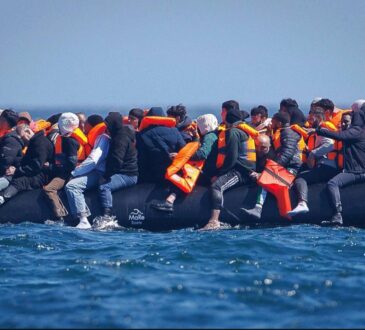
A group of 51 migrants arrived in Britain after spending around 36 hours travelling across the English Channel in a small boat, prompting serious concerns about their safety and health.
The migrants had set off from the Normandy coast in France on Monday, 21 September 2026, hoping to reach the United Kingdom.
However, their journey took much longer than many other small boat crossings because they had travelled from an area farther west along the French coast.
The boat was believed to have departed from near Vierville-sur-Mer, west of Bayeux in Normandy.
This was an unusual departure point because most small boat journeys to Britain begin much closer to the English coast.
The French coastguard monitored the vessel as it travelled through the Channel.
According to French officials, the people on board appeared determined to continue their journey despite the risks involved.
As the hours passed, concerns began to grow about the condition of the migrants.
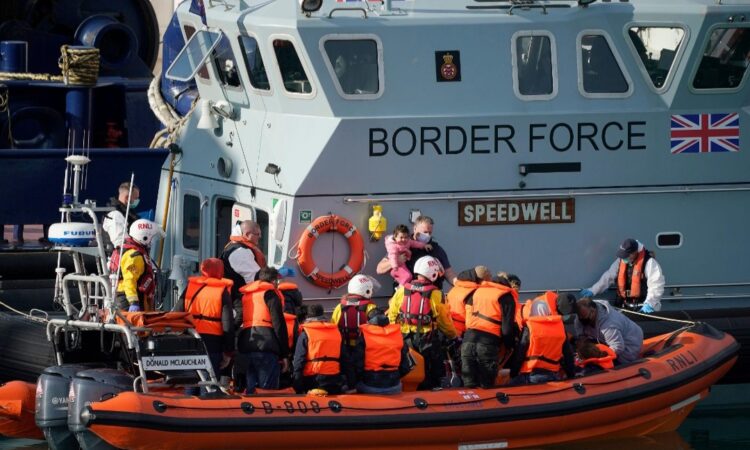
The UK Coastguard eventually requested assistance from the Royal National Lifeboat Institution, known as the RNLI.
Rescue crews were sent to meet the boat because officials were worried about the safety and worsening health of those on board.
By the time the RNLI reached the vessel, the migrants had reportedly been at sea for around 36 hours.
The passengers were transferred from their small boat to a Border Force vessel.
There had initially been suggestions that the migrants would be taken to Gosport in Hampshire.
However, the possibility of their arrival in Gosport led to protests involving hundreds of people who gathered near the marina.
Some demonstrators shouted slogans opposing the arrival of migrants, while police officers were deployed to manage the situation.
Hampshire Police later confirmed that six protesters had been arrested following incidents involving officers.
The arrests included allegations of assaulting emergency workers, aggravated trespass and careless driving.
Police also said they were investigating footage that appeared to show damage being caused to a boat in the English Channel.
Meanwhile, the vessel carrying the migrants was redirected towards Dover in Kent.
The group eventually arrived in Dover on Wednesday morning, 23 September 2026.
Photographs showed the migrants leaving the Border Force vessel with their personal belongings after completing the lengthy journey.
The incident highlighted the risks involved in crossing the English Channel in small boats, particularly when migrants depart from locations farther away from Britain.
Longer journeys can leave passengers exposed to cold weather, strong winds and rough sea conditions for extended periods.
The RNLI said it had responded because of concerns about the passengers’ safety and deteriorating health.
The government said Border Security Command continued to work around the clock to monitor arrivals, check migrants and protect the UK’s borders.
Officials also said the authorities would continue processing people who arrived through small boat crossings.
The incident attracted attention not only because of the length of the journey but also because of the protests that took place over where the migrants would be brought ashore.
It also showed how rescue operations can become more complicated when boats travel from unusual departure points along the French coast.
Despite the dangers, the 51 migrants completed their journey to Britain after being assisted by rescue teams.
The report did not provide details of their nationalities or confirm whether any passengers required hospital treatment.