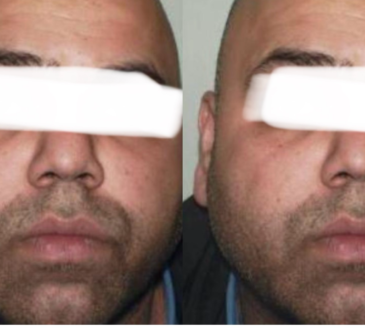


Farhad Hosnavi, an Iranian migrant who arrived in the UK by small boat two years ago, is still living in Britain despite being told more than a year ago that he could face deportation because of his criminal behaviour.
During his time in the UK, Hosnavi has been jailed five times and has repeatedly caused damage to public buildings and accommodation used for asylum seekers. The damage caused by his actions is estimated to be around £10,000.
His troubles began shortly after he was placed in a Holiday Inn Express hotel in Norwich that was being used to house asylum seekers. Reports say he was removed from the accommodation after staff found him in possession of a knife. A few months later, in April 2024, he was sent to prison for damaging the hotel.
However, his release did not stop the incidents. Just one month after leaving prison, he was jailed again after returning to the same hotel and smashing several windows. The pattern continued throughout the following months.
In December 2024, shortly after another release from prison, Hosnavi once again targeted the hotel. This time he smashed 14 windows while shouting abuse at police officers. The attack caused around £5,000 worth of damage and left staff feeling frightened and concerned for their safety. Some employees reportedly said they no longer felt secure working at the hotel because they feared further attacks.
As a result of that incident, Hosnavi was handed a 12-month prison sentence. At the same time, he was warned that his criminal behaviour could lead to his removal from the UK.
Despite that warning, he remained in the country after his release. On April 28, he was arrested again after damaging the glass doors of Bethel Street Police Station. After serving another prison sentence, he returned and carried out a similar attack on the same building.
When he appeared in court this week, Hosnavi admitted causing the damage. His lawyer told the court that his actions were linked to his housing situation and homelessness. According to the defence, he was frustrated by not having accommodation and believed prison would provide him with a place to stay.
The court also heard that Hosnavi has repeatedly expressed a desire to leave the UK and return to Germany, where he reportedly has settled status. His lawyer said he was not trying to hurt anyone and simply wanted somewhere to live while seeking a way back to Germany.
The case has once again raised questions about Britain’s immigration and deportation system. Critics argue that someone who has committed repeated offences and been jailed multiple times should have been removed from the country much sooner.
In response, the Home Office said Hosnavi is currently subject to deportation action and insisted officials are working to remove foreign criminals from the UK. A spokesperson said the government is committed to deporting offenders and pointed out that the number of foreign criminals removed from the country has increased significantly in recent years.
The Home Office also explained that when offenders cannot immediately be deported, they may be placed under strict conditions, including electronic tagging and monitoring. Anyone who breaks those conditions can be sent back to prison.
The controversy comes at a time when the government’s handling of the asylum system is facing growing scrutiny. A recent report from Parliament’s Public Accounts Committee warned that control of the asylum system had nearly been lost due to years of short-term decisions and poor coordination.
The committee criticised the lack of a clear long-term strategy and said communication between government departments and local authorities remains weak. It warned that unless major improvements are made, many of the same problems are likely to continue.
Hosnavi’s case is now being cited by some as an example of the wider challenges facing the UK’s immigration and asylum system, particularly when it comes to dealing with repeat offenders and carrying out deportations in a timely manner.