Why The Heck Does Donald Trump Dance Like THAT? Body Language Experts Decode His Moves in a Shocking Reveals

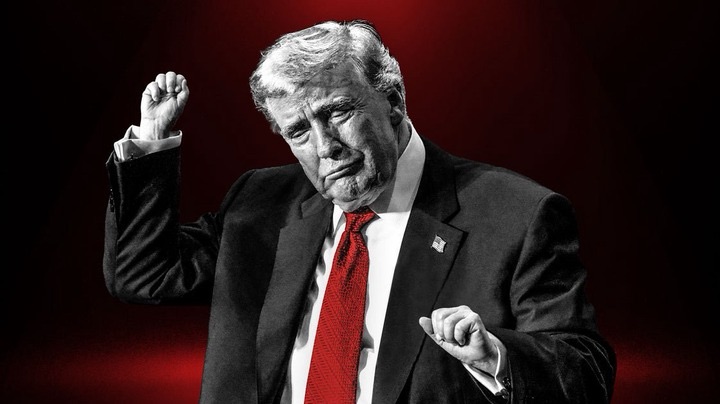
President Donald Trump has become well known for his unusual dance moves during political rallies and public events. But some body language experts believe there is more to his dancing than simply entertaining his supporters.
For years, Trump has performed almost the same dance whenever he appears in front of large crowds. He usually bends his arms, closes his hands into fists and moves them backwards and forwards while music plays in the background.
One of his favourite songs for this performance is “YMCA” by the Village People. His supporters have become so familiar with the dance that many now copy his movements at rallies and other events.
However, experts who study body language have shared their opinions about what Trump’s movements might mean. Some believe his dancing shows confidence, power and a desire to remain in control.
Patti Wood, a body language expert and author, explained that Trump’s dance has become part of the image he presents to the public.
She pointed out that he often wears the same type of clothing, including a blue suit, white shirt and red tie, while performing the same movements to the same song.
According to Wood, people already know what Trump is likely to do when the music starts, but they still watch him closely.
Another expert, clinical psychologist Denise Dudley, said Trump’s dancing is similar to the way he speaks.
She explained that his movements are simple, repeated many times and easy for people to remember. In her opinion, this is one reason his dance has become so popular among his supporters.
One thing that caught the attention of the experts was the way Trump keeps his hands closed while dancing.
Dudley described his clenched fists as movements that can suggest power, dominance and aggression.
Wood also explained that seeing someone close their hands tightly can sometimes make other people feel uncomfortable or alert.
She said people naturally associate a closed fist with fighting or strength, even when the person making the movement does not intend to threaten anyone.
According to the experts, most people who dance for enjoyment usually relax their hands, smile and move freely.
But Trump’s dance is different because he keeps his fists closed and moves his arms in a controlled way.
Dudley believes this could make his performance look more like a celebration of victory or a show of power than an ordinary dance.
She explained that Trump’s movements may be his way of showing confidence and strength in front of his supporters.
The experts also discussed how his dancing affects the people watching him.
Dudley said the dance could be a form of communication with the crowd, encouraging supporters to copy what he does.
She explained that people often copy the movements of others when they are part of a large group.
For example, football supporters sometimes stand together, raise their hands or celebrate in the same way when their team scores.
A similar thing can happen at political rallies when supporters begin copying the movements of the person speaking onstage.
According to Dudley, Trump’s dance is particularly easy to copy because it does not involve complicated steps.
His supporters only need to close their fists and move their arms backwards and forwards.
She believes this helps create a feeling of togetherness between Trump and the people who support him.
Another unusual part of Trump’s dancing is that he rarely moves his feet.
Wood explained that most people naturally move their feet when dancing, either by stepping sideways, moving forward or walking around.
Trump, however, often remains standing in almost the same position while moving his upper body.
She said performers normally move around the stage to connect with different sections of the audience.
But Trump usually stays in one place, occasionally leaning from side to side without taking many steps.
Wood believes this makes his dancing different from what people normally expect to see during a public performance.
The experts also paid attention to Trump’s facial expressions while he dances.
Wood said people usually smile or show happiness when they are enjoying music.
However, she observed that Trump sometimes keeps his lips tightly closed, frowns or makes facial expressions that appear serious.
She suggested that some of these expressions could make it look as though he is putting a lot of effort into the movements.
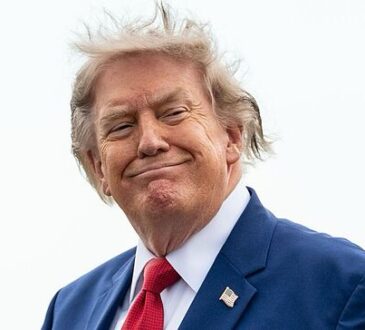
At other times, Trump appears to smile slightly or make an expression that could be interpreted as trying to look confident.
Dudley also pointed out that Trump sometimes narrows his eyes while dancing.
She suggested that this could be seen as another expression of confidence or dominance.
However, these are interpretations from body language experts and do not prove what Trump is actually thinking or feeling.
Wood suggested that people who want to understand the movements should try copying the dance themselves.
She believes that repeating someone’s physical movements can sometimes help people understand how those movements feel.
According to her, dancing with tightly closed fists and serious facial expressions may feel different from dancing with relaxed hands and a smile.
The experts said body language can sometimes provide clues about a person’s emotions, but it cannot reveal everything about their personality or intentions.
They also acknowledged that a single dance cannot explain Trump’s thoughts or behaviour.
Despite their different interpretations, one thing remains clear: Trump’s dance has become one of the most recognisable parts of his public appearances.
Whether people find it funny, entertaining, unusual or powerful, the movements continue to attract attention whenever he performs them.
Many supporters enjoy copying the dance, while critics and body language experts continue to discuss what it might reveal about the American president.
For Trump, the familiar arm movements have become more than just something he does when music plays. They are now a regular part of his political rallies and public image, helping him connect with crowds in a way that people across the world can easily recognise.