Ex-Official Warns Trump’s Casual Comment in Japan Speech Is Far More ‘Ominous’ Than It Seems

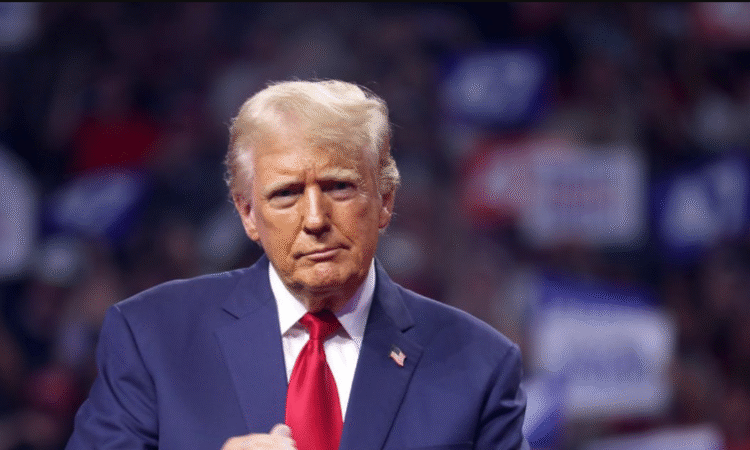
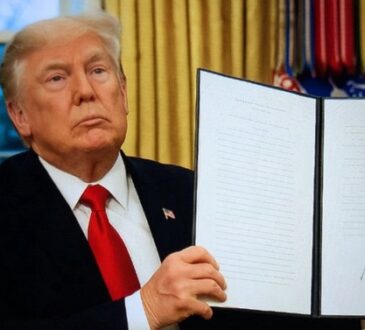
Donald Trump’s recent speech in Japan has drawn attention, with some former officials believing his words might carry a deeper and more troubling message. During his visit aboard the USS George Washington, Trump told sailors, “You need a good, fair media. They’re getting better. They’re not there yet. That I can tell you. But they’re getting better.” At first, it seemed like his usual playful jab at journalists, something he has done many times before. But according to Miles Taylor, who once served as the chief of staff at the Department of Homeland Security, that short comment may be more than just a joke.
Taylor believes Trump’s remark was a subtle signal to his allies and supporters. “It was a throwaway line for the cameras but an obvious signal to his friends and supporters,” Taylor said. “The president was nodding to his state-sanctioned media takeover.”
He went on to warn that Trump has been quietly working to reshape the American press, using his influence and power to create a media landscape that favors him. Taylor claims that Trump has been using threats, lawsuits, and behind-the-scenes corporate deals to pressure news outlets into becoming more “pro-Trump.”
According to Taylor, Trump is less than a year into this campaign, yet he’s already made alarming progress. These concerns are growing as reports circulate about major shifts happening inside leading U.S. news organizations—particularly CBS News—where journalist Bari Weiss has reportedly been appointed as the new editor-in-chief.
At the same time, there are whispers about the White House backing a corporate bid by Paramount Skydance to acquire Warner Bros. Discovery—the parent company of CNN and HBO. A senior Trump official even told reporters that rival companies trying to bid for the same deal would face “stiff hurdles from U.S. regulators,” suggesting that political influence might be at play.
Experts say these moves may not just be routine business decisions. Instead, they could be part of a broader effort by the Trump administration to shape who owns and controls the media in America. Analysts have compared it to what Hungarian leader Viktor Orbán did in his country—gradually turning independent media into state-friendly outlets while claiming to promote “balance.”
That word—“balance”—is now the same one Trump uses when talking about the press. But Taylor argues that it’s just a disguise for control. Step by step, headline by headline, Trump’s critics say he’s building an architecture of media dominance: mocking reporters who challenge him, silencing dissenting voices, and rewarding loyalty.
He doesn’t need to seize newsrooms or order soldiers into TV studios. Instead, he’s reshaping the system quietly—through influence, fear, and strategic ownership. To those familiar with similar tactics in places like Budapest, Moscow, and Ankara, the warning is clear.
When Trump says, “They’re getting better. They’re not there yet,” it might sound like he’s praising the media for improving. But to many observers, it’s something much darker—a sign that the press is being bent toward obedience, not truth. His smile may hide the warning, but the message, as Taylor and others see it, is unmistakable: the freer the press once was, the closer it now moves toward control.